
Not Art
Father’s Day Sermon by Dan Berry
On this Father’s Day Dan Berry preached a message to fathers about the importance of being a godly Father with encouragement to do so.
One important point Dan made that I want to highlight is that before God made the church He created the family; and when Paul laid out the requirements for being a pastor, he said they must first be a good father. Fatherhood is an incredibly important role that is to be honoured and taken seriously.
The Library: Artist Resources
These are some of the most valuable resources I have encountered on my artistic journey: they’ve offered much needed guidance and have helped set my course. To give more context a few of the links will go to articles on my blog.

Live Demos, Sage Advice
Mastery in Real-time – beyond seeing great finished artwork, there’s nothing to light a fire under you like watching masterful artists create in real-time, and share their thought processes. Here is a selection of my own influences:
- Kim Jung Gi on Composition and Storytelling – to see him draw is a wonderful thing to behold; you can find many such videos online, but I really enjoyed his advice here about how to practice inventing scenes from imagination.
- Glenn Vilpuu’s Live Demos, Figure Drawing (CAUTION: nudes) – listening to him vocalize his thought process as he creates is so invaluable to me. Don’t just watch, draw along. Amazing!
- Feng Zhu’s Design Cinema – I so love the teaching of Feng Zhu. He speaks such wisdom about the realities of being an artist and what is important to improve. Some of my favourite episodes:
Design Cinema – EP 89 – Just Draw!
Design Cinema – EP 101 – Sketching 101
Design Cinema – EP 102 – Intro to Digital Painting
Advice, Interviews & Artist Profiles
- Finished, Not Perfect, Jake Parker – Just Do It! Embrace your current skill level; be a master of whatever level you’re at. Create stuff, build momentum, study as you go and learn from others; keep at it and you will improve.
- The Secret of Simple Forms, Marshall Vandruff – Here I think Marshall wonderfully lays out the basics of form drawing in relation to perspective. This information will especially benefit beginners trying to wrap their minds around the concept of drawing from memory and imagination, why it is so difficult to do, and how to train it; but even if you’ve drawn for years, but have never tackled this subject, Marshall will offer valuable insights.
- You Need a Product, Not a Project, Jake Parker – experimenting and exploring are valuable activities for artists, but when trying to make deliberate progress, specificity is key.
- SELF TAUGHT ARTIST SECRETS AND STRATEGIES, Trent Kaniuga – I think this is a nice introduction to Trent; he’s a super generous concept artist; he teaches so much value on his YouTube channel.
- Tim Mcburnie’s Strategy For Learning To Draw – creating and studying are two oars of the same row boat; with only one you just go in circles. Rather than doing loads of isolated exercises, integrate what you learn into your process and finished work ASAP.
- Karl Kopinski’s Thoughts on Photorealism – I love Karl’s response to a questions about style vs realism.
- Greg “Craola” Simkins’ Artistic Process – I really enjoyed hearing Greg describe his creative process; I’m a huge fan of his work.
- A background painting tip that saved me tons of time, David Revoy – really, you don’t need all that detail!
- Michael Spooner – Visual Development artist. Fantastic artwork and sage advice.
Spooner talks with Vilpuu!
Spooner on The Breakthrough Creative - The Draftsmen Podcast – I think this is a classic that should definitely be preserved in the archive for generations to come. Listening to Stan and Marshall banter about art is both insightful and delightful.
- Schoolism interviews – Bobby Chiu has interviewed a ton of artists over the years; they used be openly available on his YouTube channel, but are now only accessible with a Schoolism account. A couple of my favourite interviews were with Heri Irawan and Devin Elle Kurtz; there are many more great ones. It is really enjoyable to hear artists share their journey; great to listen to while doing low-concentration work or just chilling.
- 3-Point Perspective Podcast, School of Visual Storytellers – Jake, Lee, and Will have some really great insights into being a professional artist.
- Pete Beard’s illustration series – this is a great way to learn about a variety of illustrators throughout history.
- Grand Portfolios, Character Design References – I have discovered so many amazing artists here.
- How to Think When You Draw Tutorials, The Etherington Brothers – tons of specific insights on how to draw tons of stuff.
Art Courses
- Nathan Fowkes’ Pictorial Composition – I learned a great deal of foundational knowledge from this course. Fowkes teaches some very helpful universal principles for composing images with a hands-on approach.
- Marshall Vandruff’s Perspective Course – I have not taken this course, but I did take Marshall’s old course for $12. This one is considerably more costly, but Marshall has invested countless hours into fine-tuning his approach to teaching perspective in the 3 decades since his first course. I can’t help but anticipate that this will be fantastic!
- Line and Color Academy – Tim McBurnie helps you build a solid process to reliably get your ideas onto the page/screen; create a positive relationship with the creative process and just keep levelling up.
- Human Anatomy Fundamentals – when I’m ready to dive back into learning to draw people, this is the resource I plan to follow. Joumana Medlej lays a solid foundation beginning with seeing and drawing the energy of your subject as the foundation for the structural, anatomically correct body to stand on.
Art Books
There are many great recommendations from industry pros. I’ll list the ones I’ve actually read and found helpful (I’ve not read many):
- Understanding Comics, Scott McCloud – as a disclaimer, before reading this book I don’t think I’d read a single comic book in my life; I had no appetite for them, but so many pros recommended this book that I decided to get it. A comic itself, this book opened my eyes to the power and great potential of telling stories with pictures and words. Great stuff!
- Picturepedia, DK – this is a great reference book for . . . everything! 360 hard-bound pages of high-res photos. I love to use it to get specific direction and inspiration for my work. You only wanted reference for a butterfly? Well, which of the 47 species best suits the design you’re creating!? This book is picture-heavy with tons of examples! Love it!
Writing Advice
- HOW TO WRITE A SCENE | elements of narrative + tips (with example doc), ShaelinWrites – I started learning to write fiction with BREX and was super frustrated that all my writing was only summaries of the story; Shaelin taught me how to write a scene which totally opened up my capacity to write engaging stories by expanding time and allowing the reader to experience the action through different kinds of story beats.
- 3 Line NPC Method, Johnn Four – Johnn introduced me to character-driven stories and his 3-line method gave me a fantastic framework for concisely writing characters with depth and interest. I created a random generator to assist me in employing this method; it is my go-to approach whenever I need a new character for my story; I have a lot of fun with it and create characters in advance for my character library so that when I need a character I have an interesting selection to choose from. (also see my 3-line NPC Generator article)
Business Advice
- How to start freelancing THIS WEEK, Jamie Brindle – a masterclass of a business resource. You can literally get started in ONE week. I’ve never heard anyone break it down like Jamie. Bookmark this one.
- HOW TO START A BUSINESS WITH NO IN 3 STEPS IN 2021, Sam Ovens – lots of valuable advice here. Find a niche and build systems.
- The ladders of wealth creation: a step-by-step roadmap to building wealth, Nathan Barry – this article explains different businesses like being ladders that can take you to different heights. Climbing each ladder requires you to learn certain skills that will serve you as you switch to bigger ladders. Skipping ladders is possible, but means you’ll be compressing how much you have to learn at once.
Honourable Mentions
- Peter Draws – if you want to melt into the most chill narrated doodling experience ever, drop by Peter’s studio. This guy has completely embraced his own identity.
- Scott Gustafson’s Methods – it is so cool to see the steps of Scott’s process; I appreciate his transparency, but it also intimidates me. Scott’s work makes me drool
- Gurney Journey – James Gurney, the creator of Dinotopia, has a very interesting and informative blog, still updated regularly. His paintings are wonderful. He was heavily inspired by artists of the past like Norman Rockwell who recorded their artistic process for us to learn from now; he tries to do the same.
- Monika Zagrobelna, How to Draw – she has some valuable teaching about drawing form:
https://monikazagrobelna.com/2019/11/25/drawing-101-how-to-draw-form-and-volume/
https://design.tutsplus.com/articles/why-is-it-so-hard-to-draw-from-imagination-heres-how-to-do-it–cms-22967 - Drawabox – I spent a chunk of time doing this seriously; I learned valuable stuff, but ultimately decided to focus more of my time on creating finished work and much less on grinding skills. Irshad does have the 50% Rule about spending at least half your time drawing for fun, but in the end I was ready to drop the formal exercises and just make art. One of my favourite memories was the seasonal Promptathons; I really enjoyed the 24-hour challenges and tried to weave little stories for each.
- How to Make Your First Comic Book (An Easy Way to Start) – a comic book on one page?! No way! That’s too easy!! but it might be just what you need to start building momentum.
To Be Sorted
These are additional resources I’ve found to be highly valuable, but have not yet integrated into the meat of the listings above.
Origami Rose
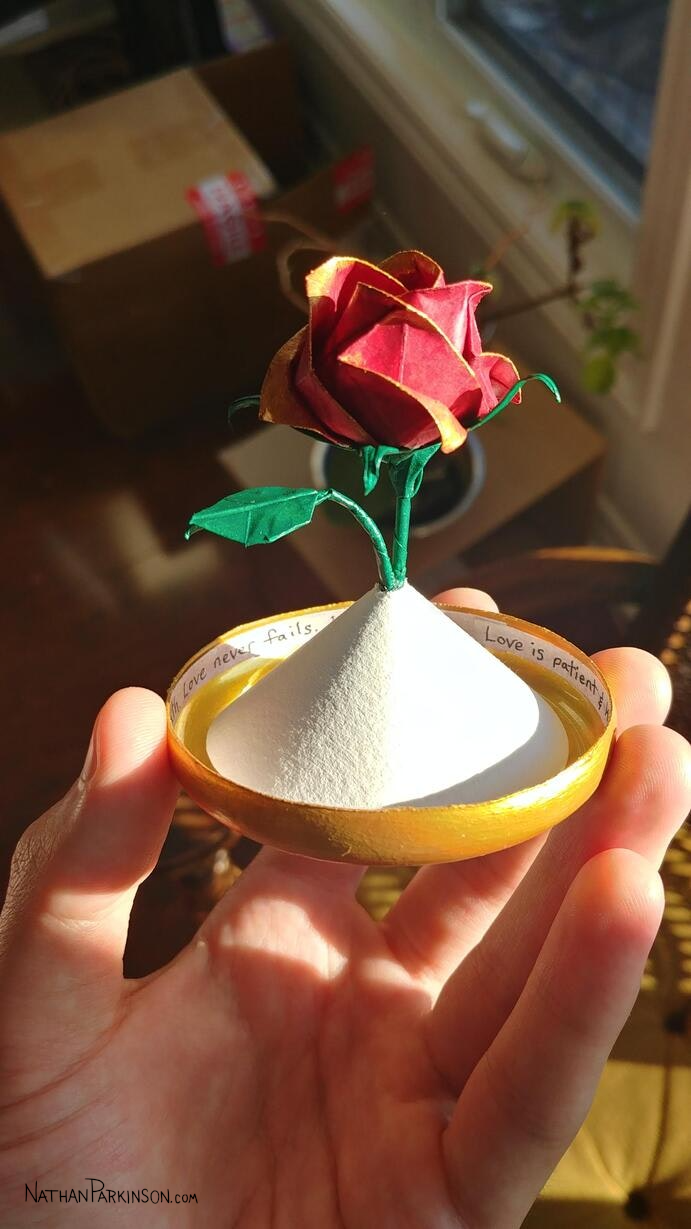
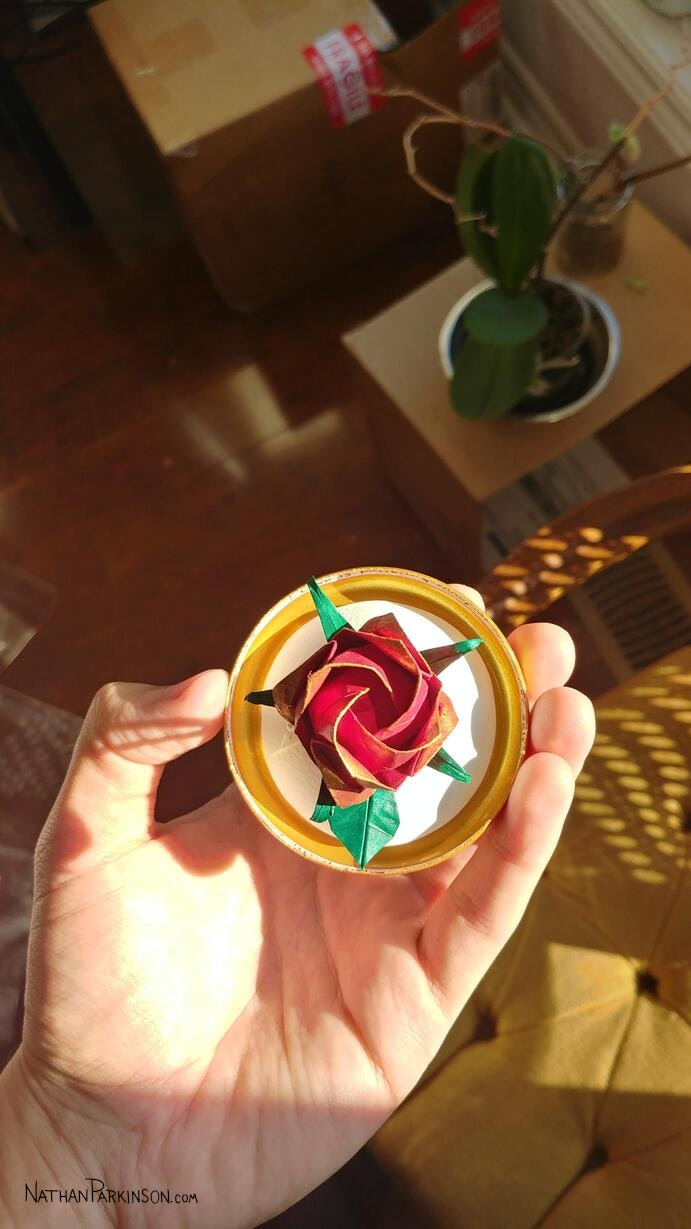
Last month I dove into origami for a project I wanted to do, some physical art. Dozens of hours learning and tinkering, but I feel the result was worth it. This was my first time really trying origami or gold paint; I really like them both.

Becoming a Mighty Artisan
Back in January I joined the Mighty Artisan community. It’s been a great experience of giving and receiving feedback and being able to interact with other artists seriously pursuing growth and creative fulfilment. Having a place to share the artistic journey with other visual artists of all kinds has helped me identify weaknesses in my mindset and skills and gain some clarity in more effective approaches.
DIY Sketchbook
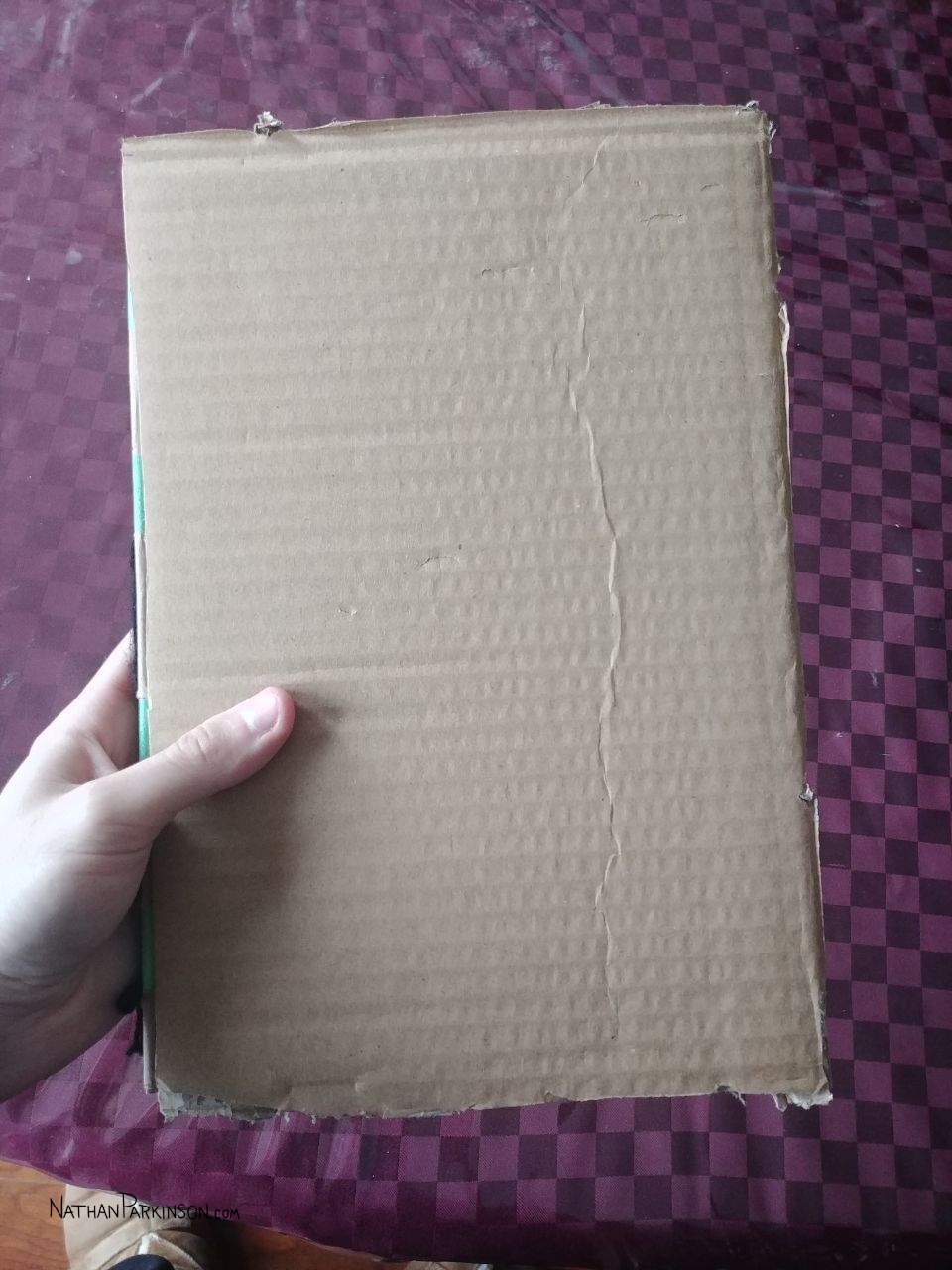
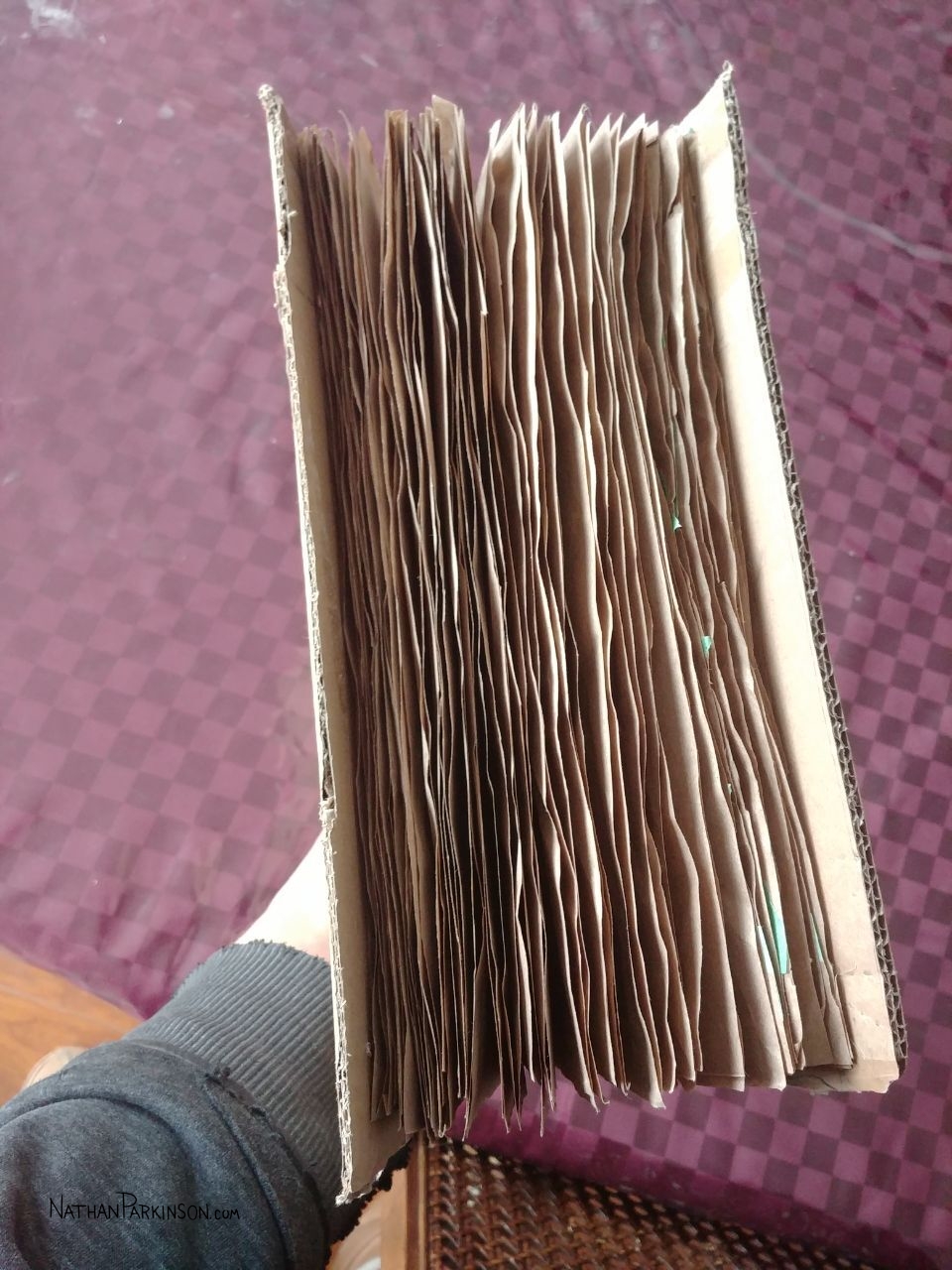
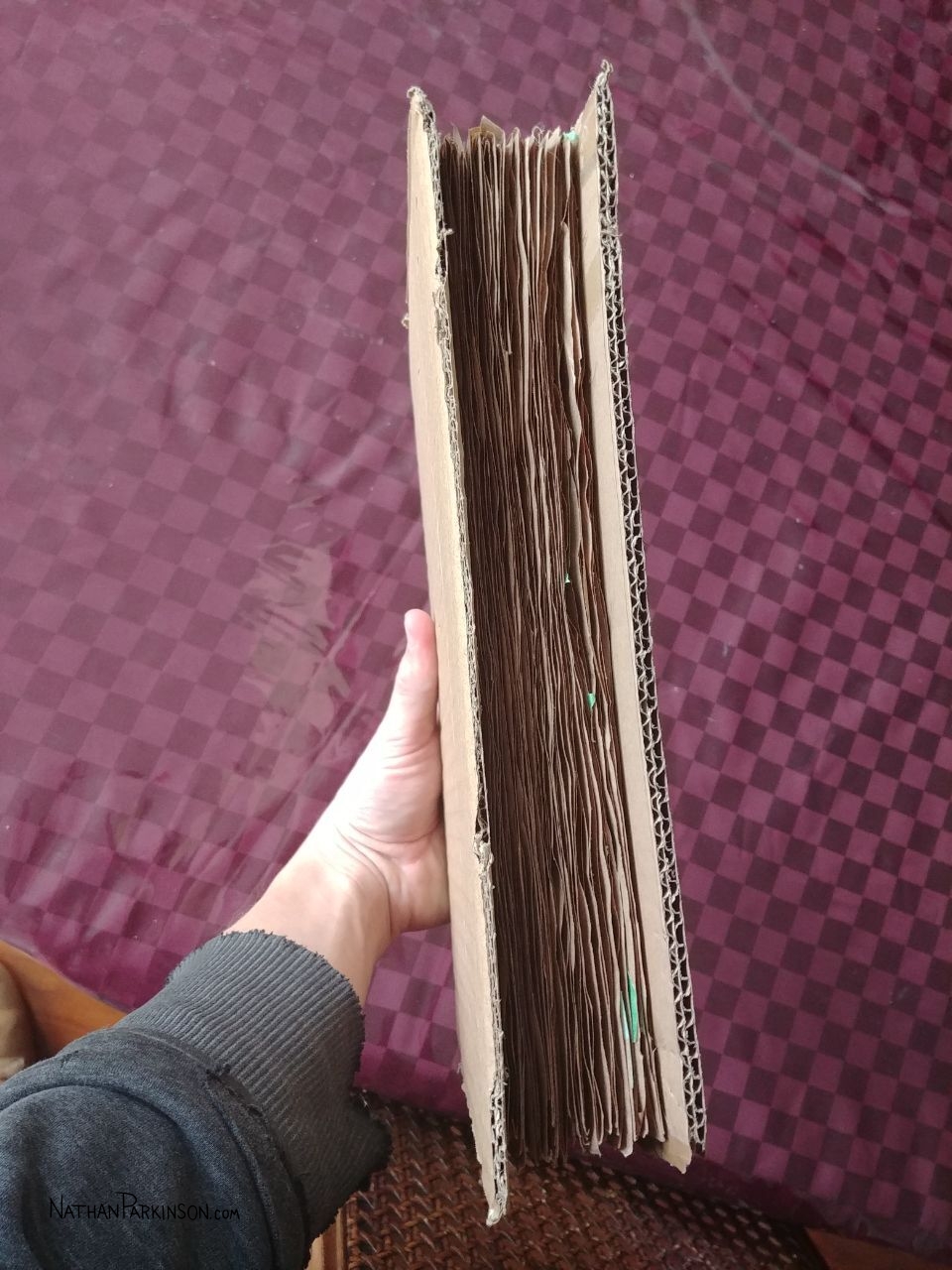
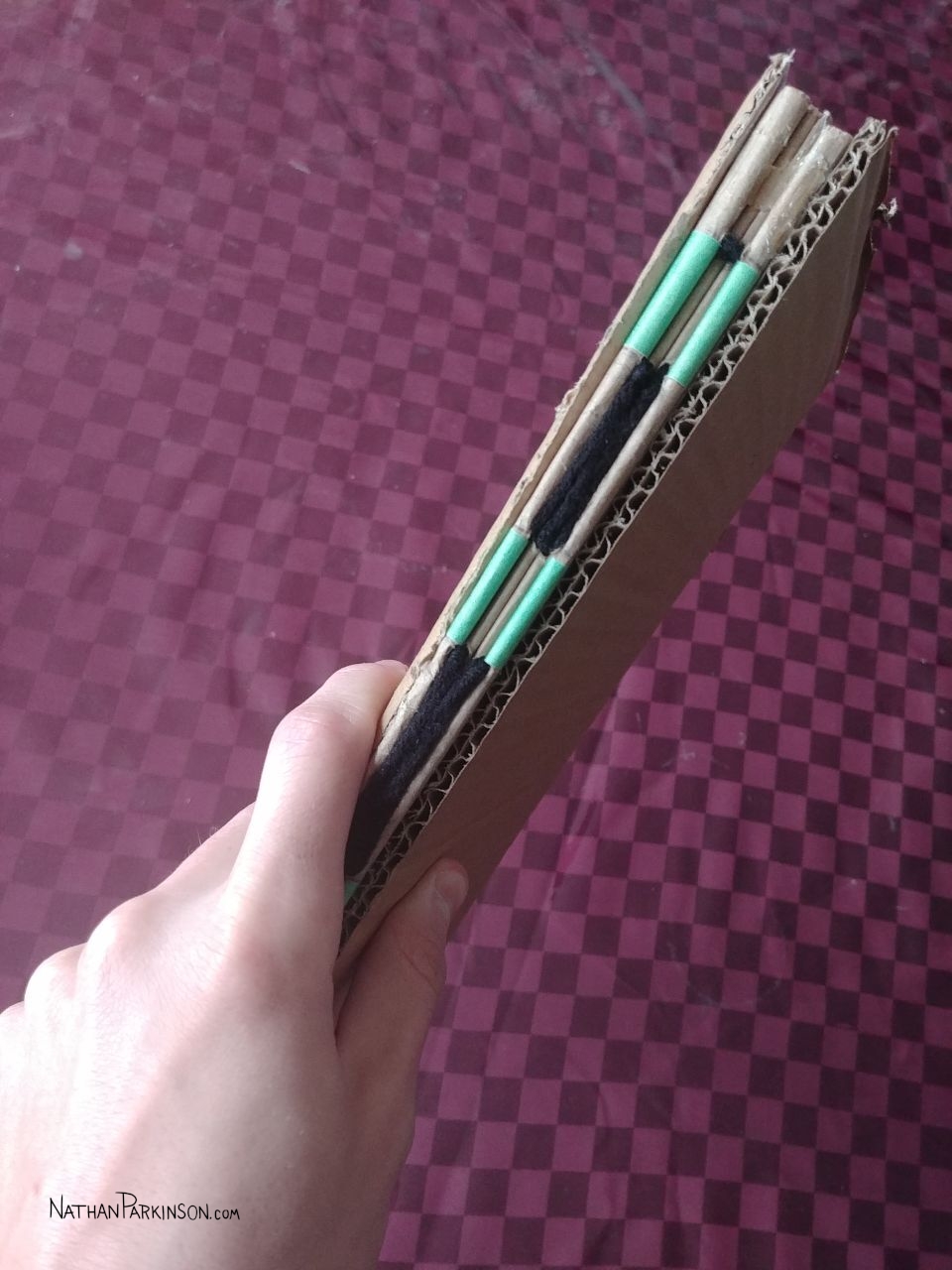
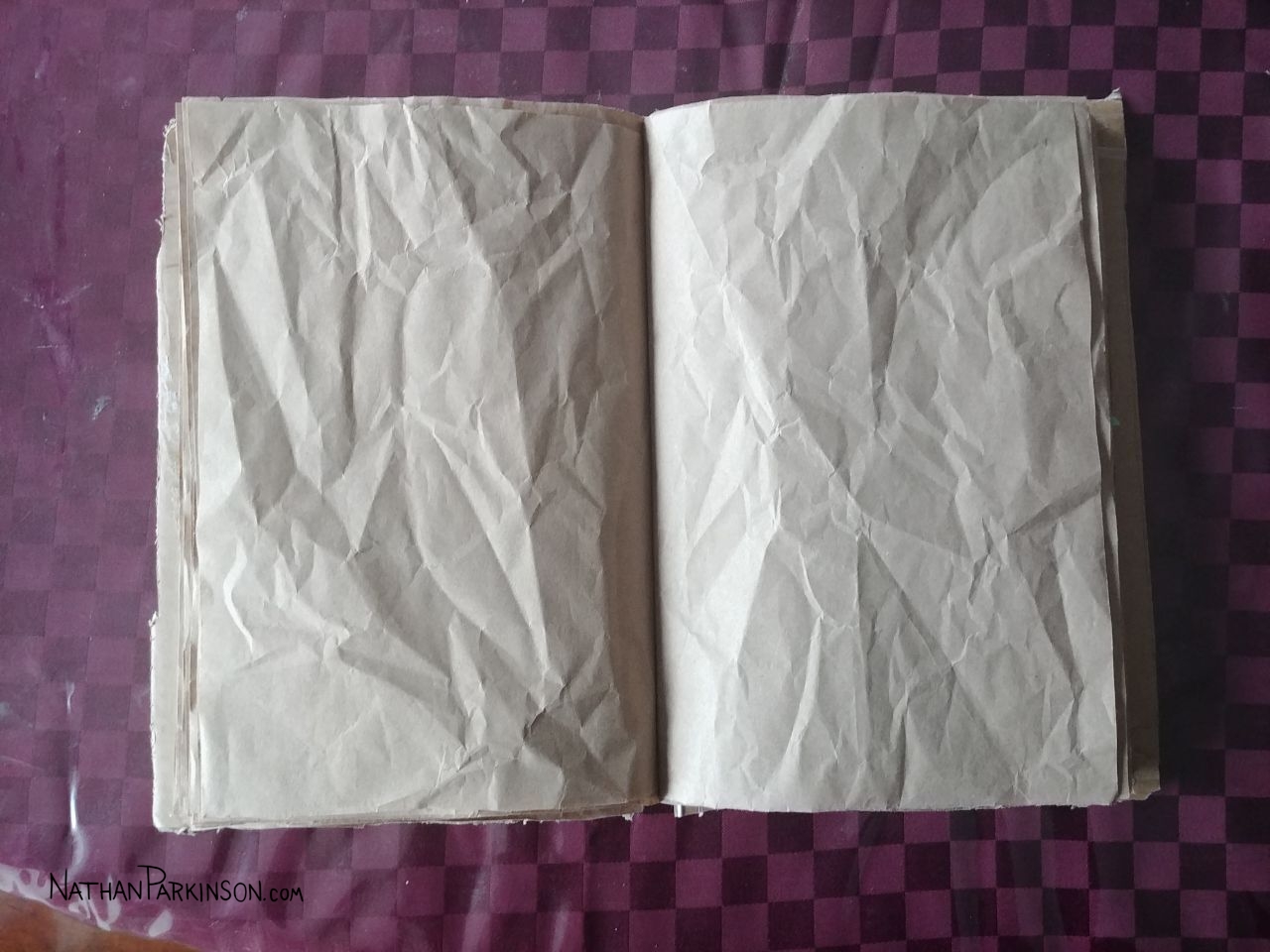
I recently bought some new sketchbooks. The books arrived with a load of packing paper all crumpled up and I thought it would be fun to scrap together one more sketchbook from the packaging itself. I cut and bound the paper into a book and capped it off with a nice hard cover from the cardboard box it all came in. I’m pretty happy with the result. A toast to more gesture drawing and human creativity.
Art Lessons from Guitarist Rob MacKillop
Rob MacKillop is a guitarist with a great variety of experience, popular for playing classical music without nails.
As an artist I draw inspiration from other creative fields such as writing and music. There are so many parallels between the various art forms.
MacKillop inspired me with some powerful ideas in a few interviews. I watched them several months ago and have been affected by them since. I just re-visited them and found even more good advice than I remembered finding the first time. Here are the interviews with some quotes and paraphrases of my key takeaways below, but there’s plenty more in the videos; so grab your notebook and dig in.
- “You’ve got to fall in love with music and let that be your guide . . . it’s so important that you love every note you’re playing on the guitar, and if you don’t love the notes you’re playing, why play them?” (59:20)
- “Just be yourself because if you’re not being yourself, who are you being?” (1:07)
- “The beginning point is to find a little kernel of something that is you, not to start with technique.” (2:19)
- “There’s no reason to try to convince others that what you do is great; your own voice will come through; and there are people out there who will like it.” (3:18)
- “Don’t worry about making a mistake; it’s the bigger picture, the bigger story that matters.” (55:49)
- “I didn’t mind the little mistakes he was making here and there because I was listening, not to the guitar so much, but to the story behind what he was playing.” (59:58)
- “Learn from lots of teachers. Be prepared to disagree, but don’t fight with them. Listen and absorb it all, but develop the strength to find your own way. The big journey is actually back to yourself, not out there to other people. It’s me with this box with strings on it — how can we communicate?” (1:07:02)
- “The greatest teacher you can have is the score of music. When you study technique too much you tend to coat everything in that; but if you treat the score like a unique thing in the universe and listen to what it wants, it will teach you how to play guitar.” (1:09:02)
If you’re an artist I hope you’re able to see how MacKillop’s advice strongly applies to making pictures. Artists, writers, musicians – we’re all storytellers trying to discover our identity and master our craft. Just be yourself, love what you do, and tell your story. Technique and mastery will follow.
Lastly, please do visit Rob’s personal YouTube channel and website to hear his music and learn more about him and his work.
3-line NPC Generator
In learning to write fiction for BREX, I discovered the concept of character-driven stories from Johnn Four’s article The 3 Line NPC Method: How to Create Story-Full NPCs Fast. Johnn writes the advice from his perspective as a Game Master for TTRPGs, but I have found his ideas to be superb for writing characters for fiction. A GM needs to be able to role-play his NPCs; a writer must also role-play his characters in abundant situations. I highly recommend reading and studying the entire article for all the goods if you think this idea may help your writing (it is lengthy), but the following link will take you to the specific section that lays out how to use the 3-Line NPC Method.
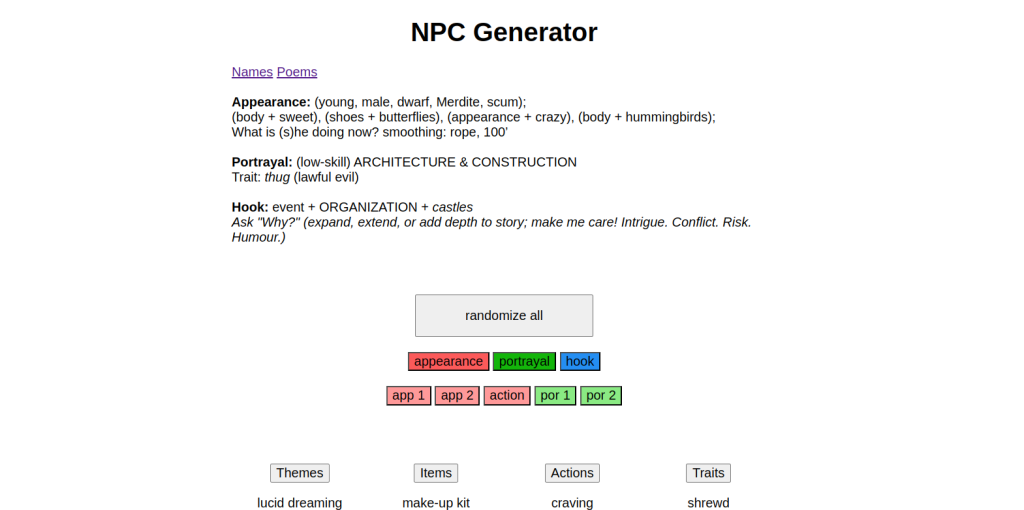
To sum it up, a 3-line NPC is a non-player character described in the following 3 lines: appearance, portrayal, and hook. Appearance is what you would first see upon encountering the character. Portrayal defines a few key role and personality traits and informs how to role-play the character. The hook is something meaningful, intriguing, exciting, etc. that can expand the plot of the story. Those 3 lines create a powerful package of details that makes writing for the character a joy because you know quite a bit about them from the start including motives and tendencies.
I like to create a bunch of characters before I need them to build up a reserve or library to draw from as the need arises for new characters. As a GM Johnn encourages introducing a new character each session to keep the story moving forward. I have adopted this mentality in my writing. I try to introduce at least one new character in each episode and so far (5 episodes in) I’m having a blast. I have had to create a couple characters to fit specific roles I had written about in my script and it felt less fun and free than writing random interesting characters and then dropping them into the story. I try to let character creation drive the story as much as possible rather than having to create a specific character to fit the story, but it does happen sometimes.
3-line NPC Generator
I was sold on the concept, but I’m very inefficient at coming up with interesting information to write characters; so I created a random generator to spark ideas which I can interpret into interesting elements. I now use this to create all the characters for my story. I still have to do a lot of the work for interpretting the details and writing the story hook, but this tool makes it so much more enjoyable. You can find and use my generator here: nathanparkinson.com/npc. You can even modify the source code and customize your own version however you’d like. I’d love to hear if you find this useful.
Example 3-line NPCs
To give a proof of concept, I will provide a few 3-line NPCs I have generated using this method. You can find explanations for each section at the bottom of the generator page.
Grithim: dwarf librarian
Appearance: (middle-aged, male, dwarf, Merdite, peasant); simple stylish hat, short beard, fiery red pants; impatiently sorting through ring full of keys to unlock something; yelling at students kissing in the library.
Portrayal: (low-skill) Librarian – administers or assists in a library.
Amateur bonsai arborist; impatient; blunt; short-tempered, emotionally fragile (lawful neutral)
Hook: A former circus tamer. Due to an impatient mistake he made his son was killed in the ring by a beast. To distance himself from the memories he left the circus and took a position as a librarian. He is learning bonsai to try to improve his patience; he succeeds sometimes. He is often lost in a cloud of emotion, presented as impatience or distance, as he processes his grief; he misses his son.
Kythar: evil guild master
Appearance: (elderly, male, giant, Ursmite, wealthy); epic hair, metal-plated pants, elaborate silver flute on waist; negotiating in the market about castle business.
Portrayal: (high-skill) Guild Master – leads an economically independent producer (a “guild,” an association of craftsmen or merchants that often holds considerable bureaucratic power).
Sweet odor; swift; duplicitous (neutral evil)
Hook: In jealousy he betrayed his ‘best-friend’ to death and deceived the family that he did all he could to save him. In gratitude they gave him a special family heirloom, a silver flute. It is said that the darkness of his heart corrupted the life stones in the flute, cursing it never again to play a joyful melody.
Atikel: crazy bird lady
Appearance: (middle-aged, female, human, Merdite, destitute); tattered feather dress, bird’s claw clutching strange stone hangs from neck, small birds flit around her; fighting to keep a large bird in a cage.
Portrayal: Fowler – catches or ensnares birds.
She loyally served one of your relatives in a naval capacity; always smells nice/wild (chaotic good)
Hook: She needs your help to save her naive daughter from the scumbag pursuing her. She has convinced him that buying her daughter a certain bird will win her heart, but she knows it will drive them apart. She wants to use Brex as bait for the bird.
Hand Puppet Master: Barnaby Dixon
Barnaby Dixon develops hand puppets and brings them to life with remarkable dexterity. He is incredibly creative and has a splendid knack for humour (though a bit crude or dark at times) and a lovely blend of skills. See for yourself.
Work. Play. Death. Rest.
“Work. Play. Death. Rest.” by Nathan Parkinson, May 2024
What is life? A gift. A joy. A tumult of trauma and emotions, desires and disappointments. A longing. An empty lock awaiting the key to set it free. Work. Play. Rest. Death. Another soul for company. The young seek out a mate. The aged filled with bitter experience have lost touch with soul feeling. What is life? A vapour that cannot last the morning. This moment. Work. Play. Rest. Death. A sunny day. The moon. The rain. Laughter. Pain. What is life? A place to stay a while before it’s time to go. What is life? A fleeting touch. A dear embrace. A cold embrace. A buried face. Ticking time. Toil and grace. Distant strangers passing by. Standing near, ones so dear. Reach into the stream of souls and pull the lost ones home. Strangers, friends in disguise. What is life? Work and play. Rest and death. Kindness shown at every turn. Empty hearts. Filled with love. Filled with pain. Longing to be filled by God. Warmed by some great glory. What is life? Wondering. Wandering. Seeking peace. Find unrest. Asking questions. Wanting more. Needing less. What is life? No answer found in life itself. Come and go. Toss and turn. An empire rises, soon to roll over into its grave. Tyrants. Saints. Fools. Sages. All is vain and fleeting. But what is life? Why is this question never satisfied? Work and play. Night and day. Rest and death. Songs of robins in the nest. Dew wet grass. Flowers. Fields. Seeds to bring tomorrow. Reflections. Friends long gone. New ones waiting to be found. One life falls. One will rise. To keep the rhythm set by time. Work. Play. Death. Rest. Loosed from life, at last I’m free to meet my Lord. Eternity. From life to life I’ve passed into the purpose planned for me. Shining sons and daughters stand. Glory wrapped. Gleaming band. We who love the Saviour welcomed near in His embrace. Forever joy. Forever bliss. Free from sin and death and pain and free at last from longing. Hope has come. Here to stay. Here at last eternal day. The hope of nations is our God. Only God. Gracious God. Made a way to save our souls and still remain all holy. What is life? This is life. The second life. The lasting life. Where death has now been laid to rest, and all our work is play. What is life? It’s all these things. The journey to eternity.
Fundamentals of Art
If you’ve spent much time in the art world, you’ve probably heard of “the fundamentals” and how important they are. Over the years I have studied how making art actually works and how to accurately define the many components. “Why is this useful?” By breaking a skill into its individual parts, you can practice each one more intentionally. Trying to learn everything at once or with a vague focus can make it harder to recognize your progress. For someone trying to master their craft, having a solid comprehension of the tools available is important.
The result of my efforts is the Fundamentals of Art document that I am now offering for free download.

Major System Peg Words (Memory Tool)
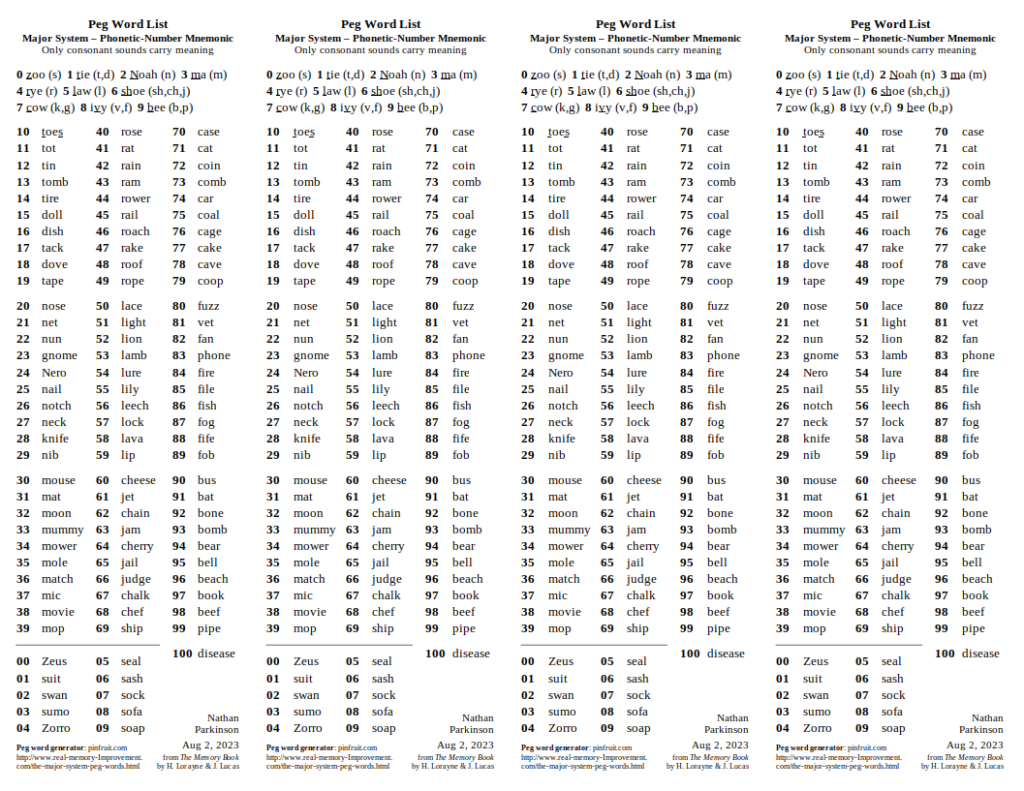
This post is generally unrelated to art, but it features an extremely useful and versatile tool for remembering anything – the Major System peg words (see my full PDF list below). The Major System is a mnemonic technique which encodes numbers as consonant sounds (or in this case, groups of similar sounds); the consonants are mixed with vowels to form words; the resulting words serve as mental pegs upon which to hang (i.e. associate) things you want to remember. The following list is an example:
- 0 – zoo (s,z)
- 1 – tie (t,d)
- 2 – Noah (n)
- 3 – ma (m)
- 4 – rye (r)
- 5 – law (l)
- 6 – shoe (sh,ch,j)
- 7 – cow (c)
- 8 – ivy (v,f)
- 9 – bee (b,p)
- 10 – toes
Using Peg Words
To use peg words for memorization, first learn the numbers with their sounds; then use the sounds to memorize a word list. Next create a mental association between each item from the list you want to memorize with the corresponding peg word. In your mind see the two items interacting in a bizarre, memorable way – in doing so you are hanging the item on the peg for later retrieval. Mentally-visually associating two things is the most effective way to remember something easily because it takes advantage of how the mind optimally works. This system enables you to memorize lists and recall the exact numbered position of every item in the list.
This system is very useful for memorizing passages of Scripture (even entire chapters and books) as you can create and recall an association for the beginning of each verse and link it to the peg word for that verse number. This association acts as a prompt for starting the verse.
Why the Major System?
I first learned of peg words from The Memory Book by Harry Lorayne and Jerry Lucas (this book is a fantastic resource for all things memory-related). You may be asking, “Why go through all the trouble of learning a whole memory system when I can use something more simple like one-bun, two-shoe, three-tree, etc. to accomplish the same thing?” The answer is extensibility. If you only want to memorize a short list of ten items, then more simple systems are great; but what if you want to memorize 50 or 100 or an undetermined number of things? Rhyming, alphabet, and other small-scale systems are limited in their scope. Using the Major System makes expanding your word list relatively easy by providing a predictable, consistent system which allows you to move between number and sound with ease (once you’ve memorized it and practiced, of course).
Peg Word List
I’ve created a compact printout for the first 100 peg words. I started with a word list from this source (which also has a great explanation of using the Major System), and then changed some words to fit my taste. The following PDF printout contains the peg word list in a compact format four times; so you can cut the page into four sections to create bookmarks or share with others. I hope the PDF is useful.
More about the Major System
Learn more about the Major System:
You may find the following website helpful in creating your own Major System peg word list: pinfruit.com.