Other Creators
Art by or information about creators other than Nathan Parkinson
The Old Man and the Sea: Oil Painting Animation
This blew me away.
Every frame of this beautiful animated film is an oil painting (on glass). Published in 1999 the film took Aleksandr Petrov 2.5 years to make.
Borrowing a Colour Palette
Having impactful colours in your images can do so much for the interest, even if the quality is rough.
This is a rough illustration I did a while back.

It’s got some fun action, but the colours, contrast, and saturation are weak.
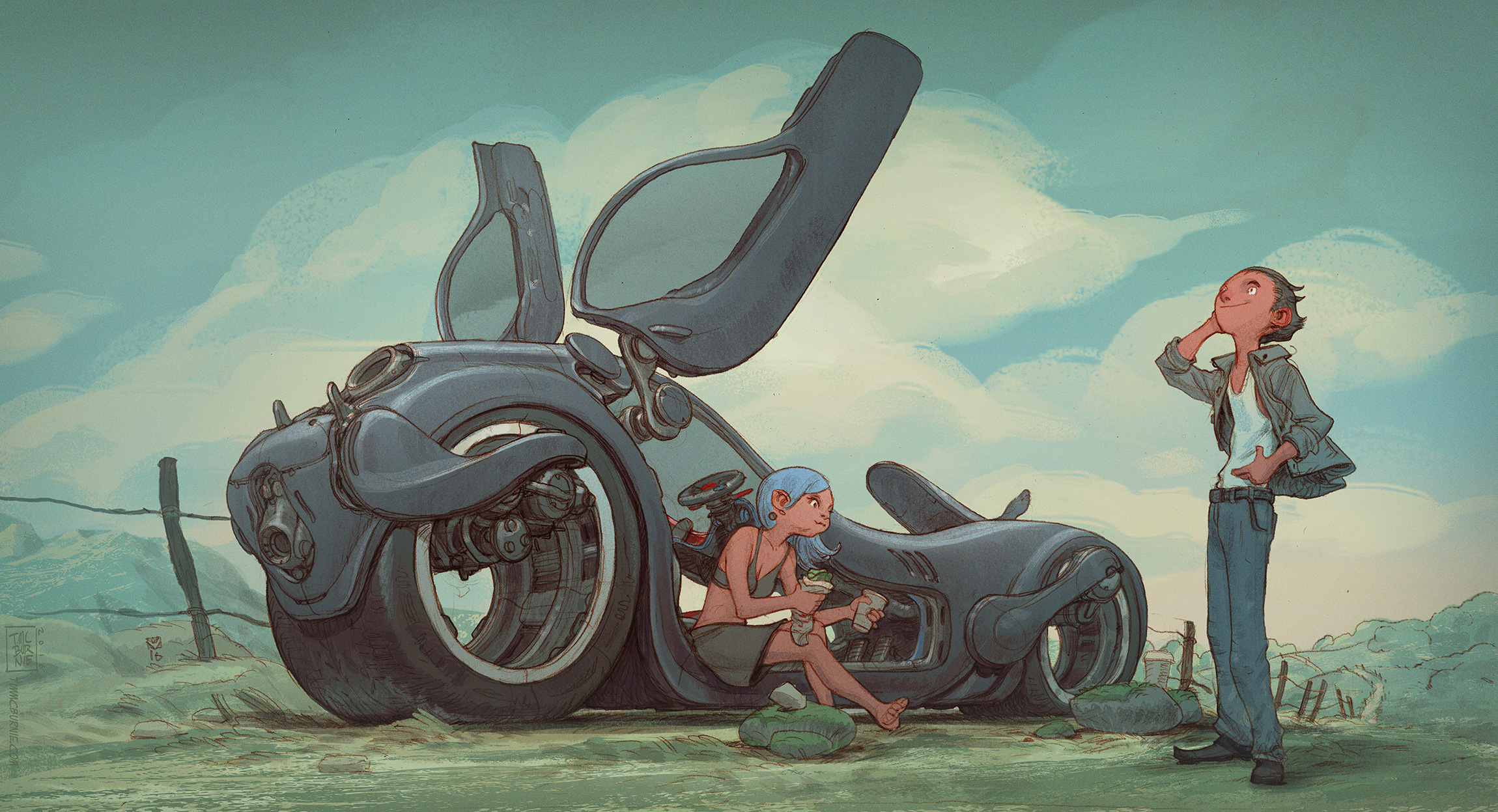
I decided to see how borrowing the colour palette from the following image by Tim McBurnie could improve my image. I paid attention to the saturation and values. I probably just used the colour picker.

This is the result of my application of that palette to the same composition.

I think it gave the impact a massive boost. I also tried to add motion blur and a bit more of a painterly quality. Now the image throbs with intensity! What happens next!?
Here’s a side-by-side comparison of the before and after:
Don’t worry, he’s okay in the end 😉

The Library: Artist Resources
These are some of the most valuable resources I have encountered on my artistic journey: they’ve offered much needed guidance and have helped set my course. To give more context a few of the links will go to articles on my blog.

Live Demos, Sage Advice
Mastery in Real-time – beyond seeing great finished artwork, there’s nothing to light a fire under you like watching masterful artists create in real-time, and share their thought processes. Here is a selection of my own influences:
- Kim Jung Gi on Composition and Storytelling – to see him draw is a wonderful thing to behold; you can find many such videos online, but I really enjoyed his advice here about how to practice inventing scenes from imagination.
- Glenn Vilpuu’s Live Demos, Figure Drawing (CAUTION: nudes) – listening to him vocalize his thought process as he creates is so invaluable to me. Don’t just watch, draw along. Amazing!
- Feng Zhu’s Design Cinema – I so love the teaching of Feng Zhu. He speaks such wisdom about the realities of being an artist and what is important to improve. Some of my favourite episodes:
Design Cinema – EP 89 – Just Draw!
Design Cinema – EP 101 – Sketching 101
Design Cinema – EP 102 – Intro to Digital Painting
Advice, Interviews & Artist Profiles
- Finished, Not Perfect, Jake Parker – Just Do It! Embrace your current skill level; be a master of whatever level you’re at. Create stuff, build momentum, study as you go and learn from others; keep at it and you will improve.
- The Secret of Simple Forms, Marshall Vandruff – Here I think Marshall wonderfully lays out the basics of form drawing in relation to perspective. This information will especially benefit beginners trying to wrap their minds around the concept of drawing from memory and imagination, why it is so difficult to do, and how to train it; but even if you’ve drawn for years, but have never tackled this subject, Marshall will offer valuable insights.
- You Need a Product, Not a Project, Jake Parker – experimenting and exploring are valuable activities for artists, but when trying to make deliberate progress, specificity is key.
- SELF TAUGHT ARTIST SECRETS AND STRATEGIES, Trent Kaniuga – I think this is a nice introduction to Trent; he’s a super generous concept artist; he teaches so much value on his YouTube channel.
- Tim Mcburnie’s Strategy For Learning To Draw – creating and studying are two oars of the same row boat; with only one you just go in circles. Rather than doing loads of isolated exercises, integrate what you learn into your process and finished work ASAP.
- Karl Kopinski’s Thoughts on Photorealism – I love Karl’s response to a questions about style vs realism.
- Greg “Craola” Simkins’ Artistic Process – I really enjoyed hearing Greg describe his creative process; I’m a huge fan of his work.
- A background painting tip that saved me tons of time, David Revoy – really, you don’t need all that detail!
- Michael Spooner – Visual Development artist. Fantastic artwork and sage advice.
Spooner talks with Vilpuu!
Spooner on The Breakthrough Creative - The Draftsmen Podcast – I think this is a classic that should definitely be preserved in the archive for generations to come. Listening to Stan and Marshall banter about art is both insightful and delightful.
- Schoolism interviews – Bobby Chiu has interviewed a ton of artists over the years; they used be openly available on his YouTube channel, but are now only accessible with a Schoolism account. A couple of my favourite interviews were with Heri Irawan and Devin Elle Kurtz; there are many more great ones. It is really enjoyable to hear artists share their journey; great to listen to while doing low-concentration work or just chilling.
- 3-Point Perspective Podcast, School of Visual Storytellers – Jake, Lee, and Will have some really great insights into being a professional artist.
- Pete Beard’s illustration series – this is a great way to learn about a variety of illustrators throughout history.
- Grand Portfolios, Character Design References – I have discovered so many amazing artists here.
- How to Think When You Draw Tutorials, The Etherington Brothers – tons of specific insights on how to draw tons of stuff.
Art Courses
- Nathan Fowkes’ Pictorial Composition – I learned a great deal of foundational knowledge from this course. Fowkes teaches some very helpful universal principles for composing images with a hands-on approach.
- Marshall Vandruff’s Perspective Course – I have not taken this course, but I did take Marshall’s old course for $12. This one is considerably more costly, but Marshall has invested countless hours into fine-tuning his approach to teaching perspective in the 3 decades since his first course. I can’t help but anticipate that this will be fantastic!
- Line and Color Academy – Tim McBurnie helps you build a solid process to reliably get your ideas onto the page/screen; create a positive relationship with the creative process and just keep levelling up.
- Human Anatomy Fundamentals – when I’m ready to dive back into learning to draw people, this is the resource I plan to follow. Joumana Medlej lays a solid foundation beginning with seeing and drawing the energy of your subject as the foundation for the structural, anatomically correct body to stand on.
Art Books
There are many great recommendations from industry pros. I’ll list the ones I’ve actually read and found helpful (I’ve not read many):
- Understanding Comics, Scott McCloud – as a disclaimer, before reading this book I don’t think I’d read a single comic book in my life; I had no appetite for them, but so many pros recommended this book that I decided to get it. A comic itself, this book opened my eyes to the power and great potential of telling stories with pictures and words. Great stuff!
- Picturepedia, DK – this is a great reference book for . . . everything! 360 hard-bound pages of high-res photos. I love to use it to get specific direction and inspiration for my work. You only wanted reference for a butterfly? Well, which of the 47 species best suits the design you’re creating!? This book is picture-heavy with tons of examples! Love it!
Writing Advice
- HOW TO WRITE A SCENE | elements of narrative + tips (with example doc), ShaelinWrites – I started learning to write fiction with BREX and was super frustrated that all my writing was only summaries of the story; Shaelin taught me how to write a scene which totally opened up my capacity to write engaging stories by expanding time and allowing the reader to experience the action through different kinds of story beats.
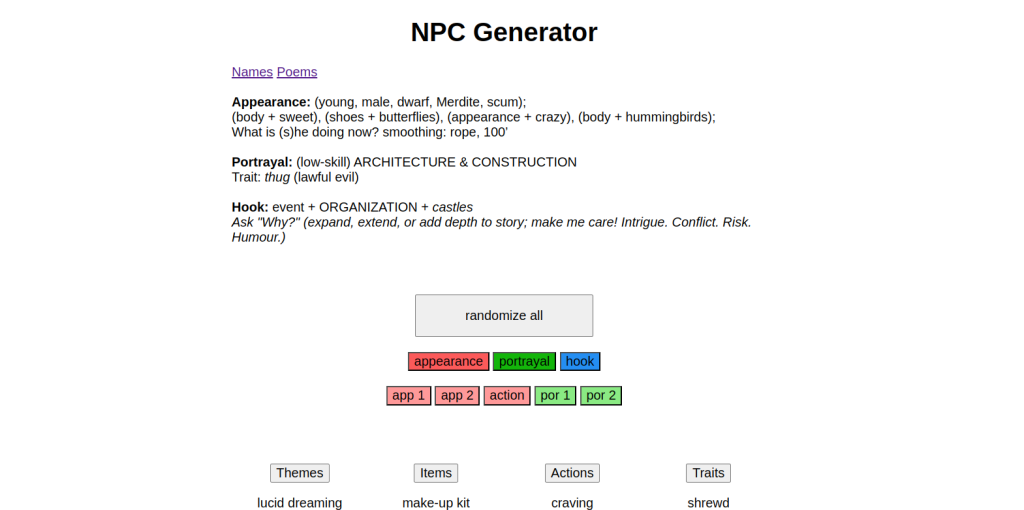
- 3 Line NPC Method, Johnn Four – Johnn introduced me to character-driven stories and his 3-line method gave me a fantastic framework for concisely writing characters with depth and interest. I created a random generator to assist me in employing this method; it is my go-to approach whenever I need a new character for my story; I have a lot of fun with it and create characters in advance for my character library so that when I need a character I have an interesting selection to choose from. (also see my 3-line NPC Generator article)
Business Advice
- How to start freelancing THIS WEEK, Jamie Brindle – a masterclass of a business resource. You can literally get started in ONE week. I’ve never heard anyone break it down like Jamie. Bookmark this one.
- HOW TO START A BUSINESS WITH NO IN 3 STEPS IN 2021, Sam Ovens – lots of valuable advice here. Find a niche and build systems.
- The ladders of wealth creation: a step-by-step roadmap to building wealth, Nathan Barry – this article explains different businesses like being ladders that can take you to different heights. Climbing each ladder requires you to learn certain skills that will serve you as you switch to bigger ladders. Skipping ladders is possible, but means you’ll be compressing how much you have to learn at once.
Honourable Mentions
- Peter Draws – if you want to melt into the most chill narrated doodling experience ever, drop by Peter’s studio. This guy has completely embraced his own identity.
- Scott Gustafson’s Methods – it is so cool to see the steps of Scott’s process; I appreciate his transparency, but it also intimidates me. Scott’s work makes me drool
- Gurney Journey – James Gurney, the creator of Dinotopia, has a very interesting and informative blog, still updated regularly. His paintings are wonderful. He was heavily inspired by artists of the past like Norman Rockwell who recorded their artistic process for us to learn from now; he tries to do the same.
- Monika Zagrobelna, How to Draw – she has some valuable teaching about drawing form:
https://monikazagrobelna.com/2019/11/25/drawing-101-how-to-draw-form-and-volume/
https://design.tutsplus.com/articles/why-is-it-so-hard-to-draw-from-imagination-heres-how-to-do-it–cms-22967 - Drawabox – I spent a chunk of time doing this seriously; I learned valuable stuff, but ultimately decided to focus more of my time on creating finished work and much less on grinding skills. Irshad does have the 50% Rule about spending at least half your time drawing for fun, but in the end I was ready to drop the formal exercises and just make art. One of my favourite memories was the seasonal Promptathons; I really enjoyed the 24-hour challenges and tried to weave little stories for each.
- How to Make Your First Comic Book (An Easy Way to Start) – a comic book on one page?! No way! That’s too easy!! but it might be just what you need to start building momentum.
To Be Sorted
These are additional resources I’ve found to be highly valuable, but have not yet integrated into the meat of the listings above.
Facsimiles of Ancient Art Books
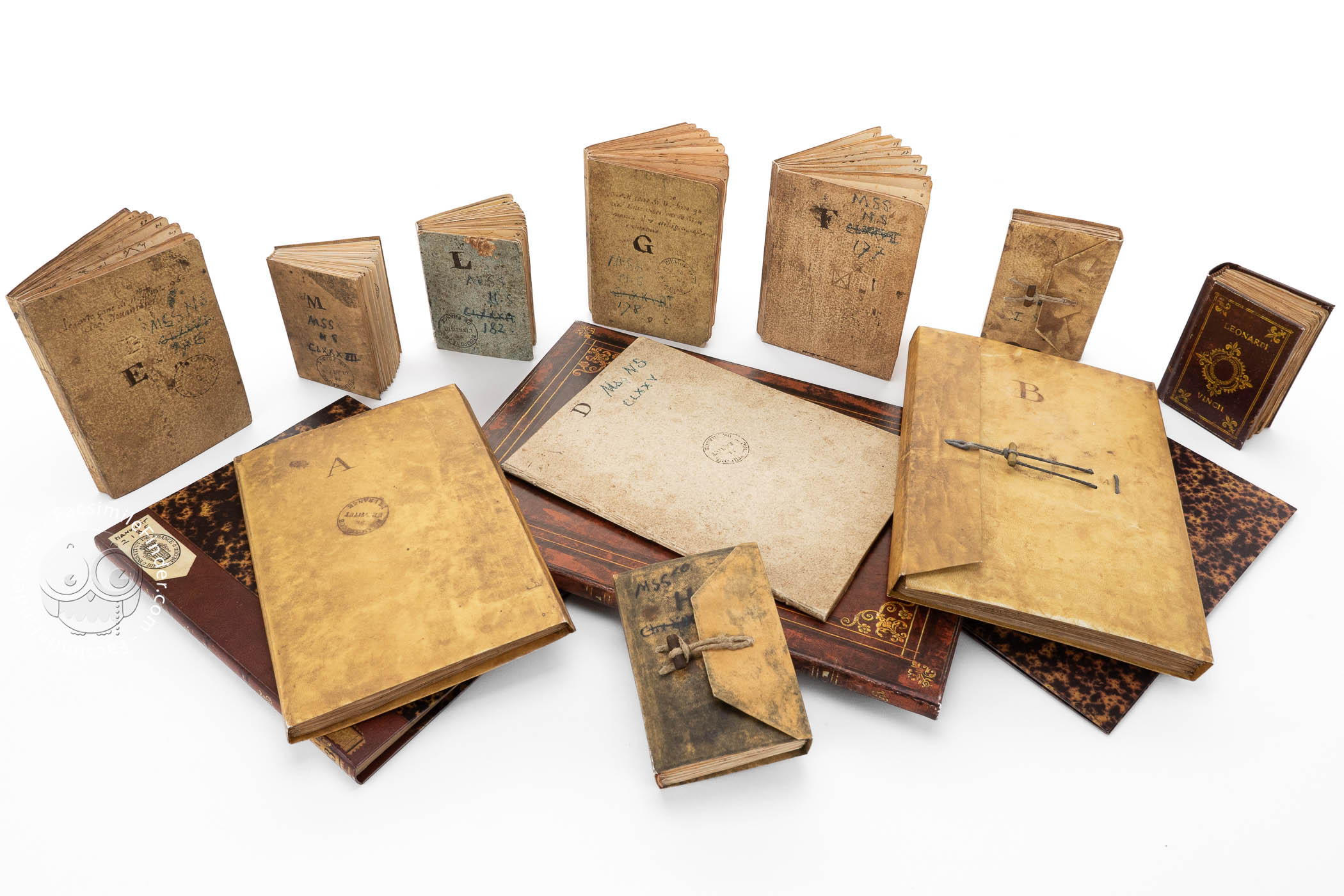
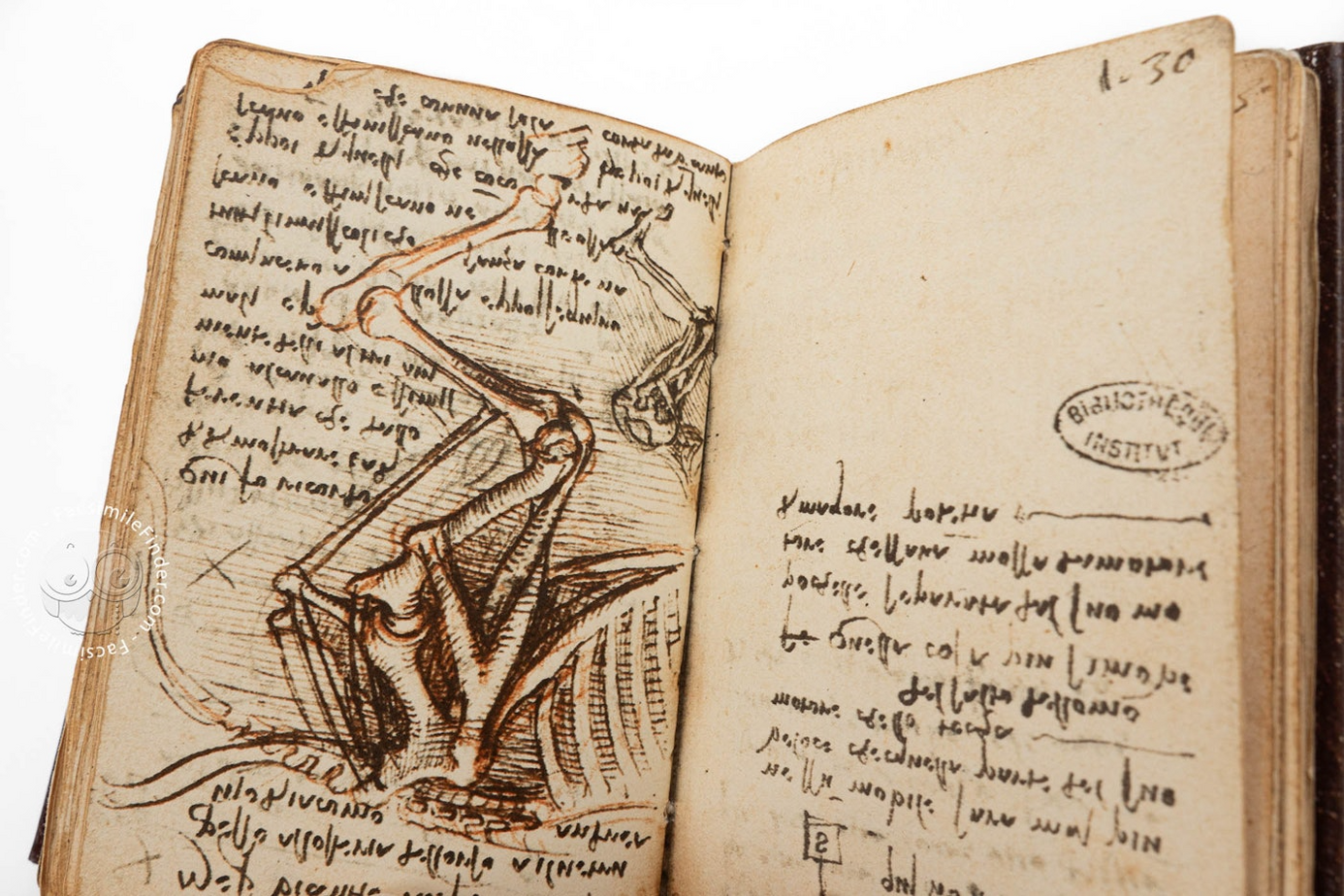
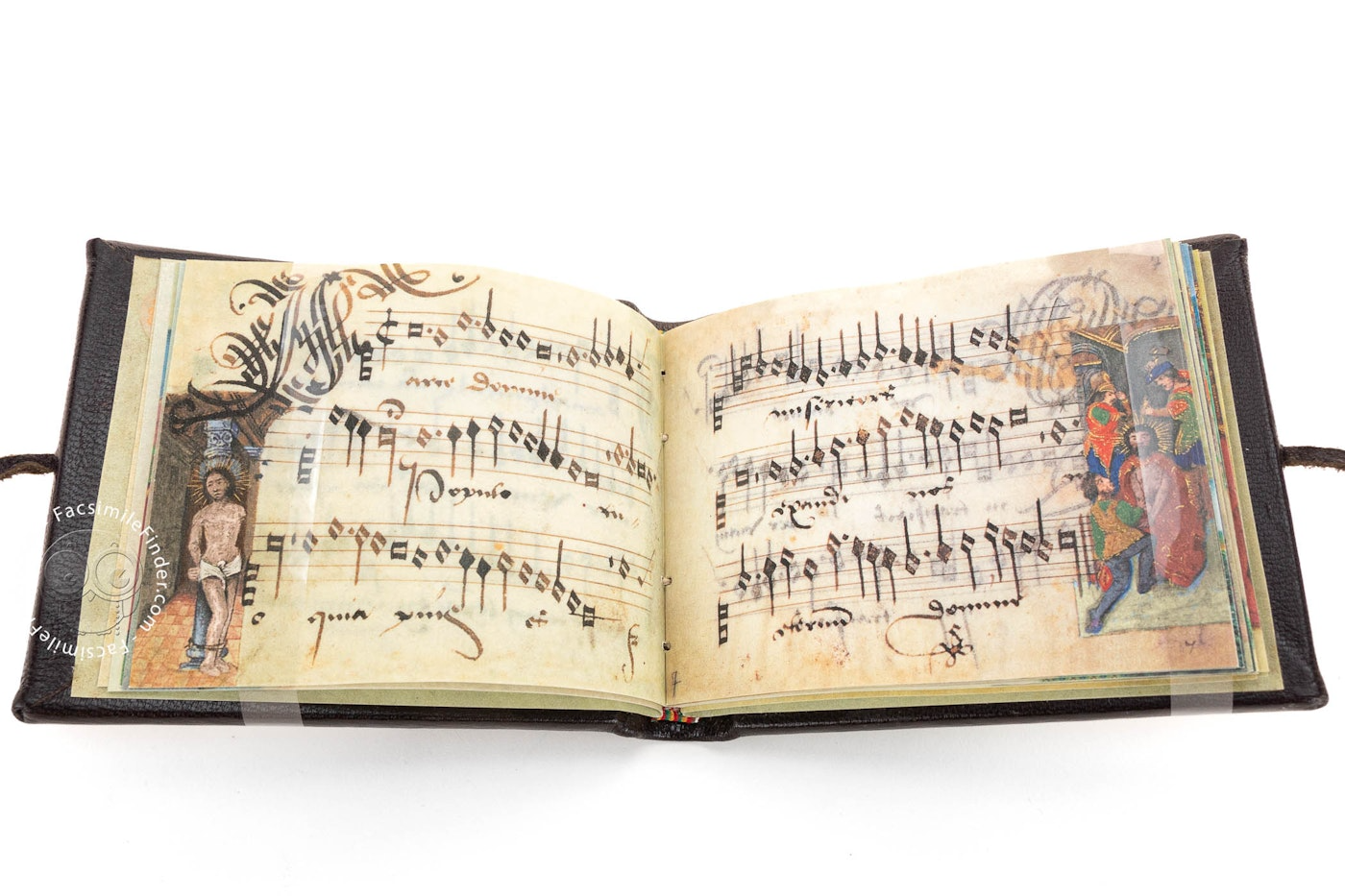
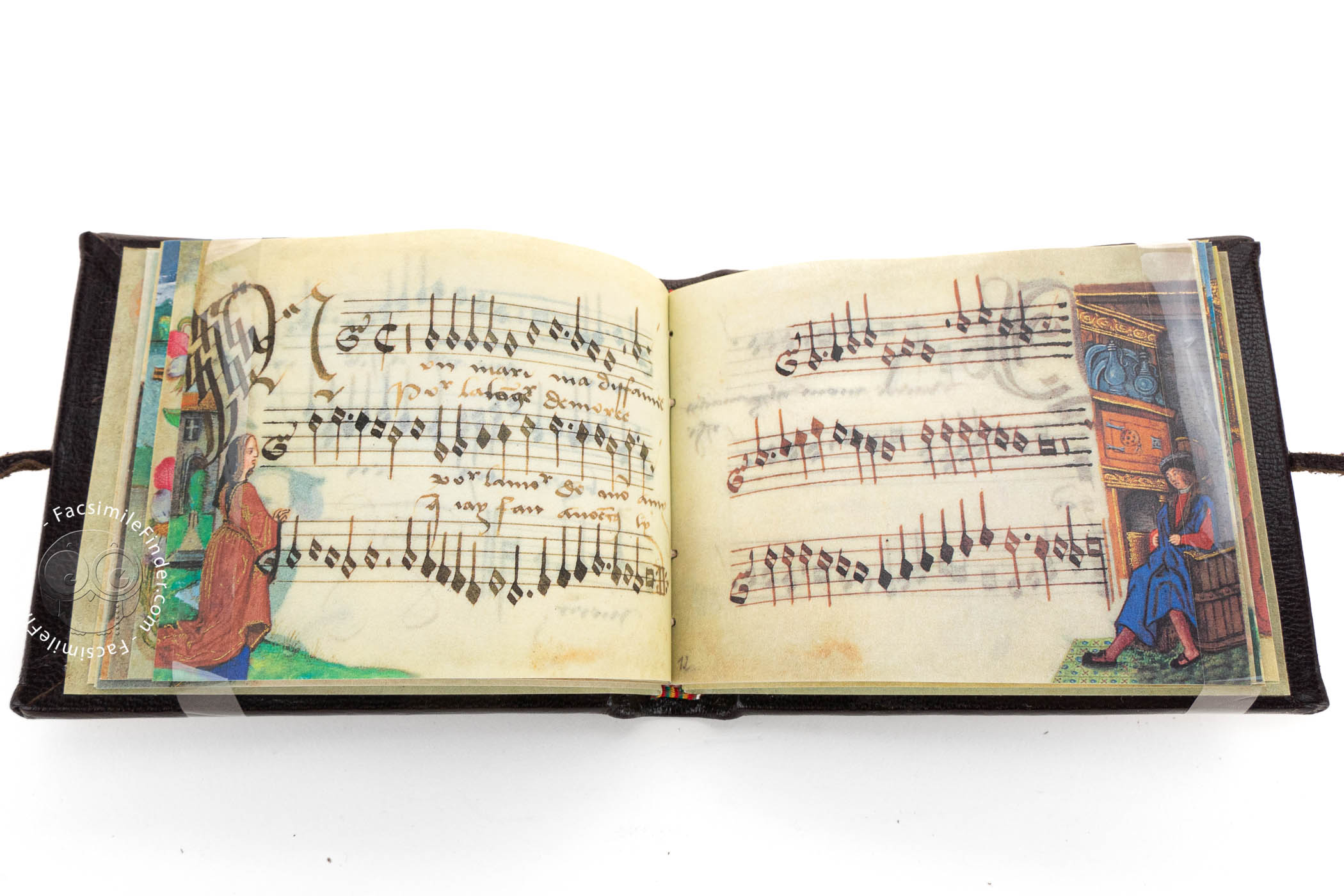
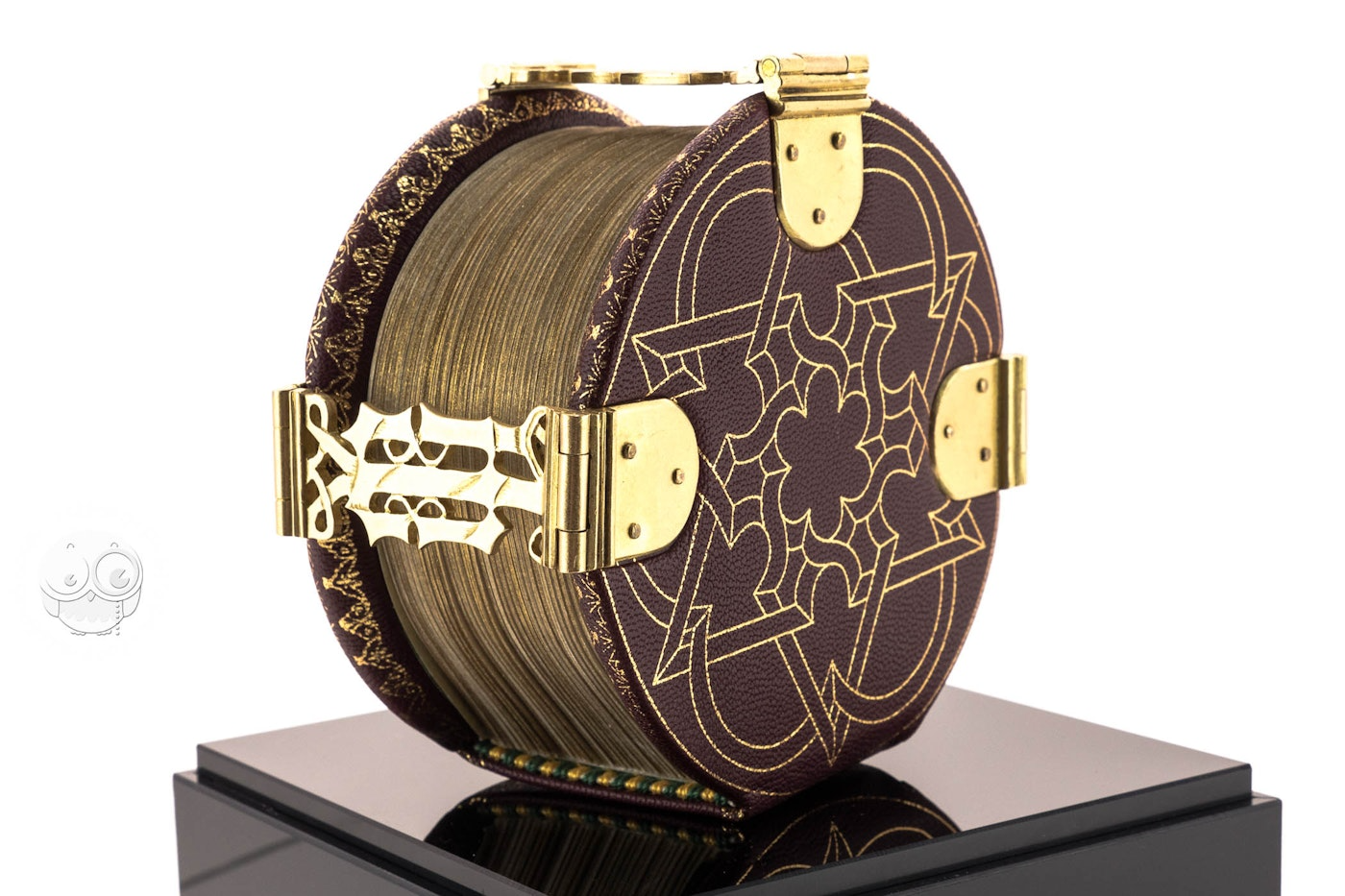
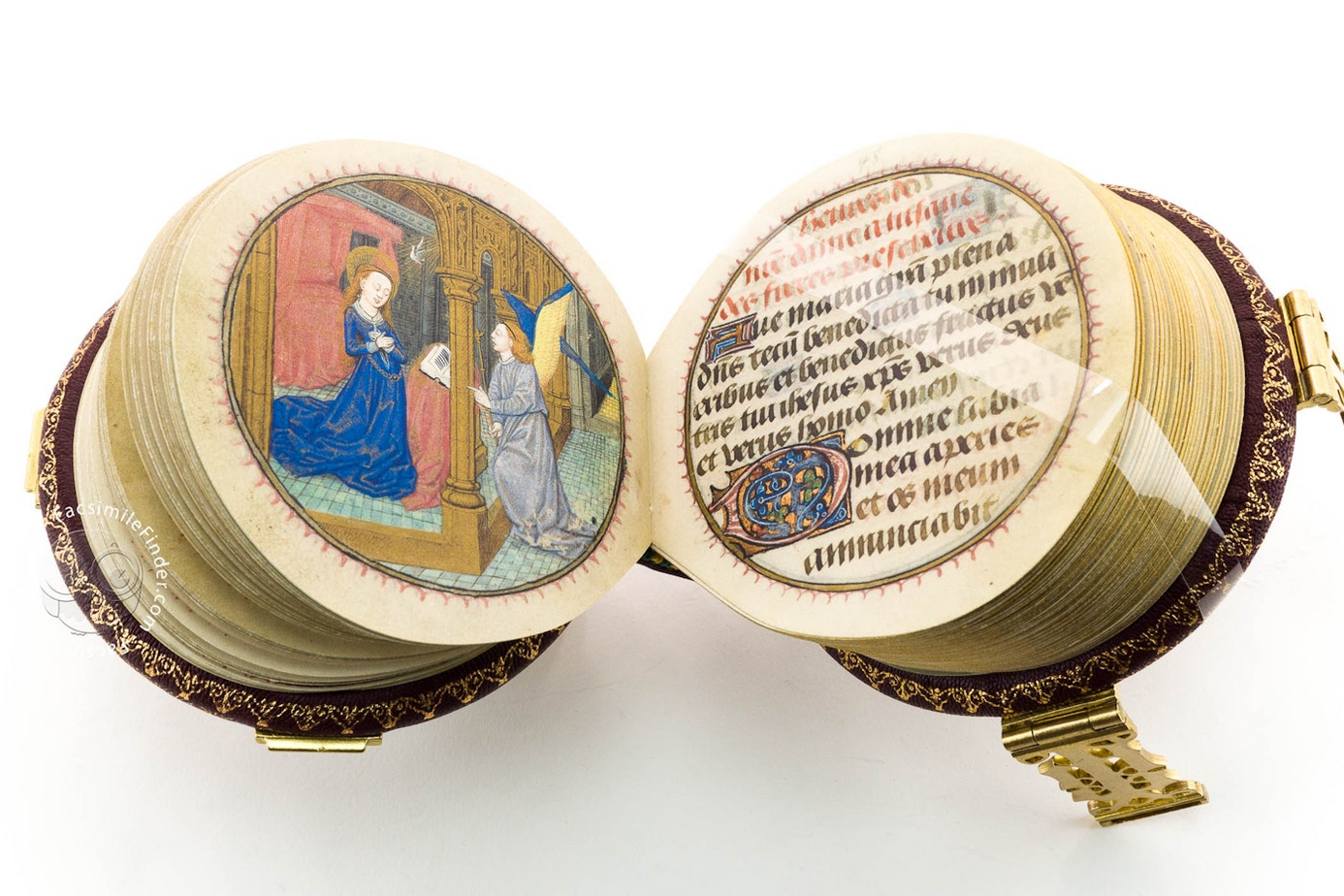
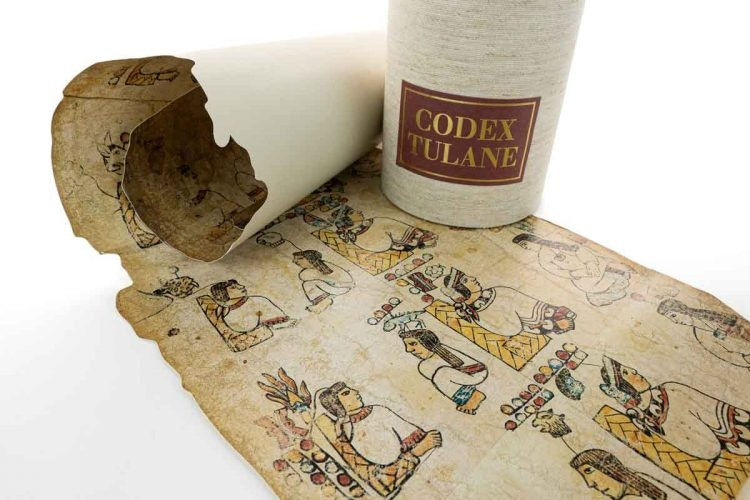
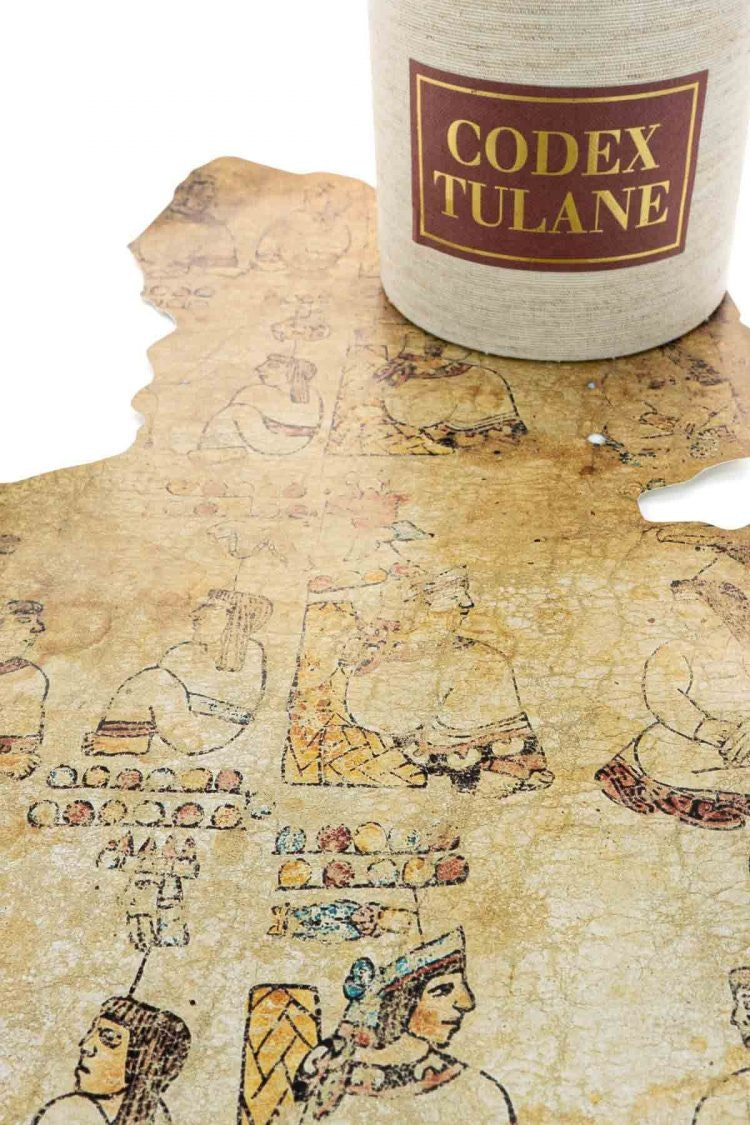
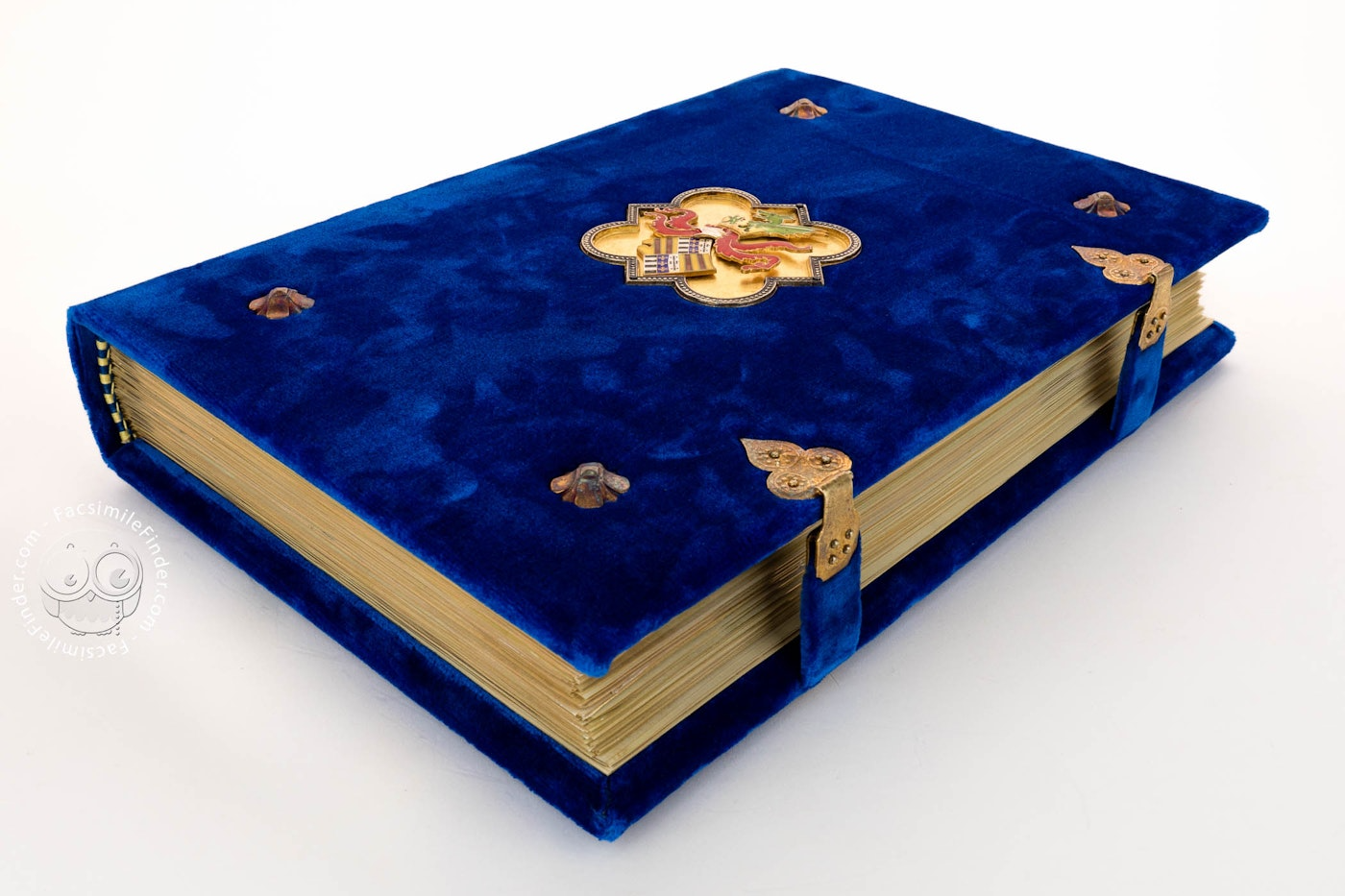
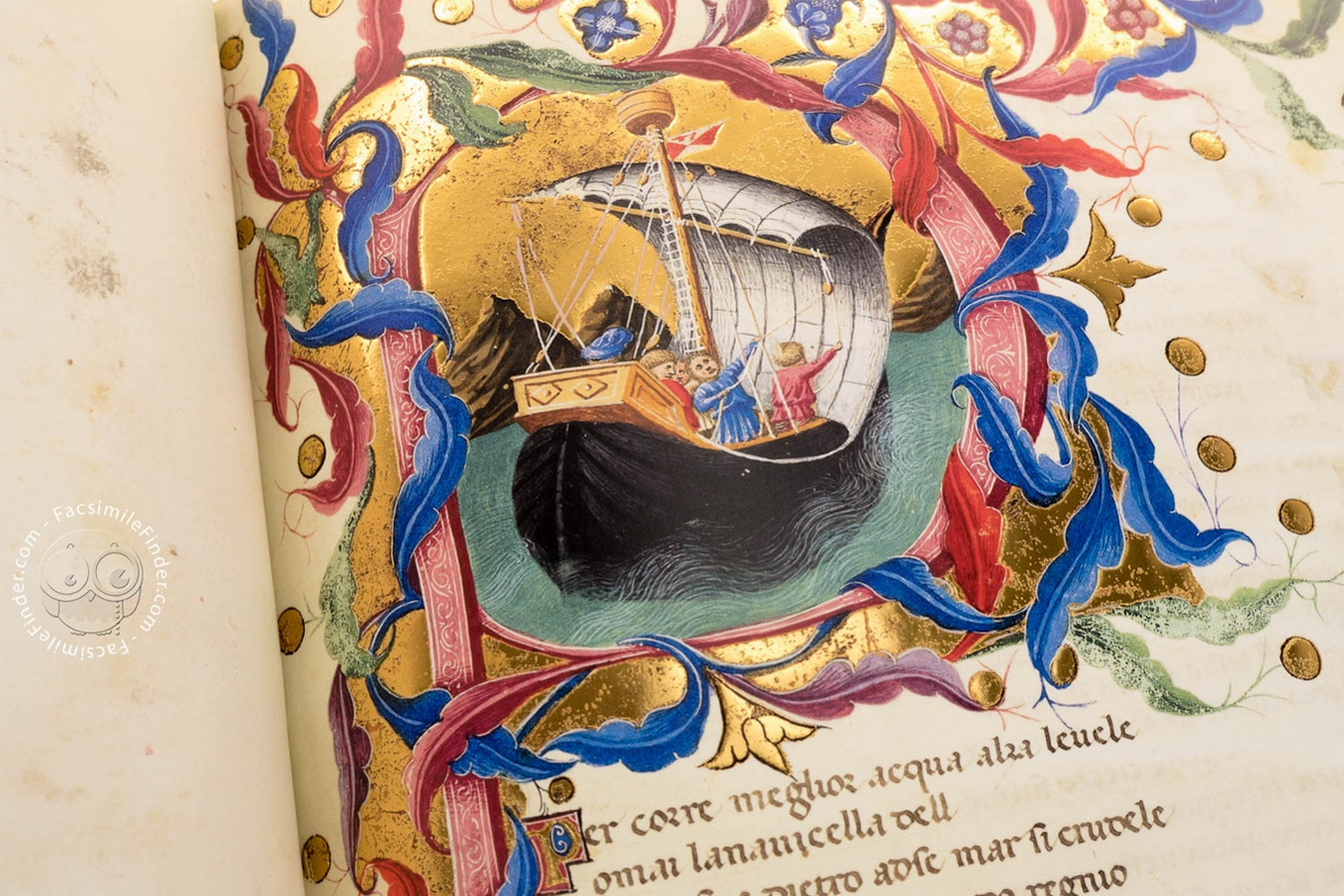
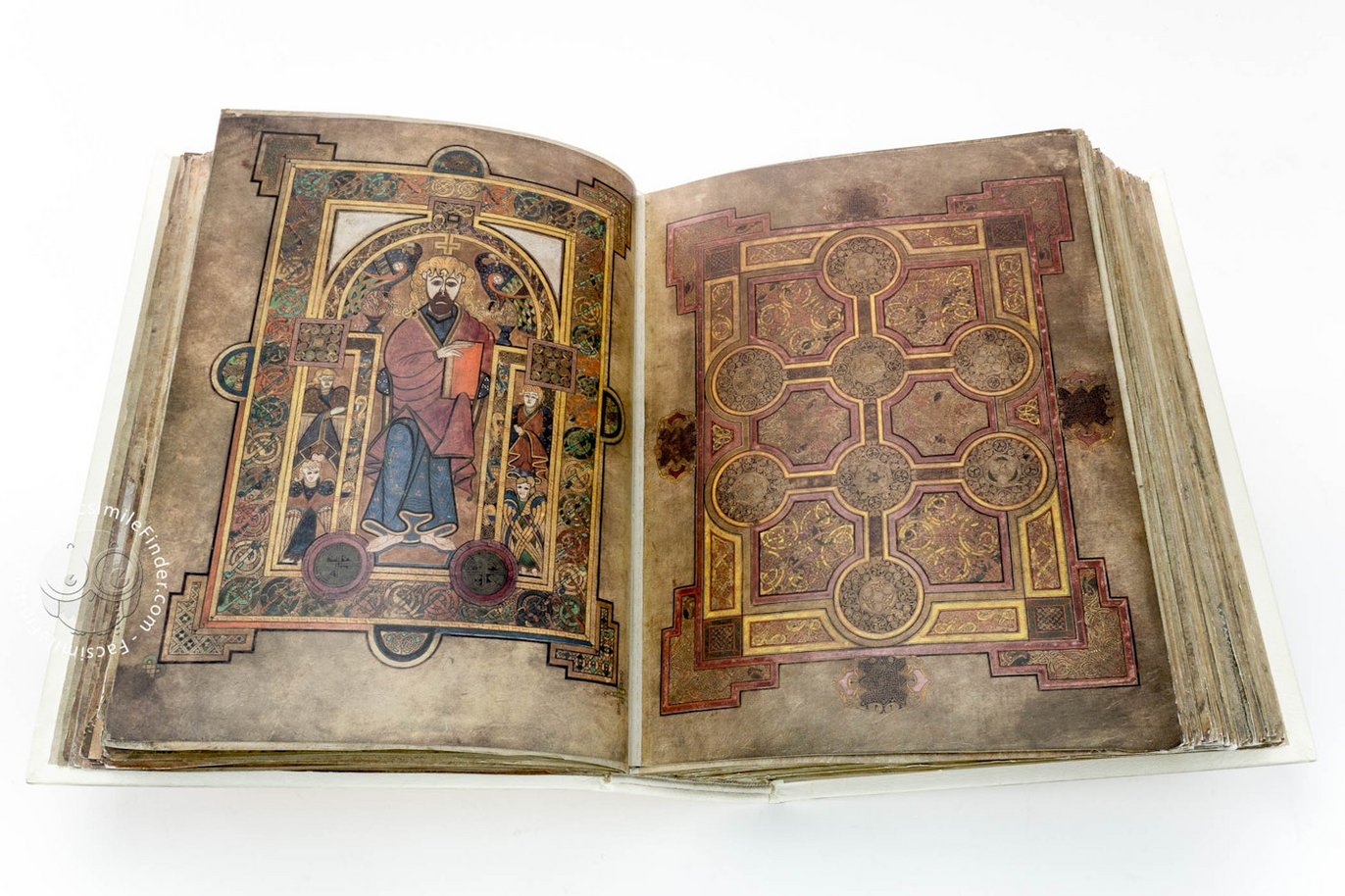
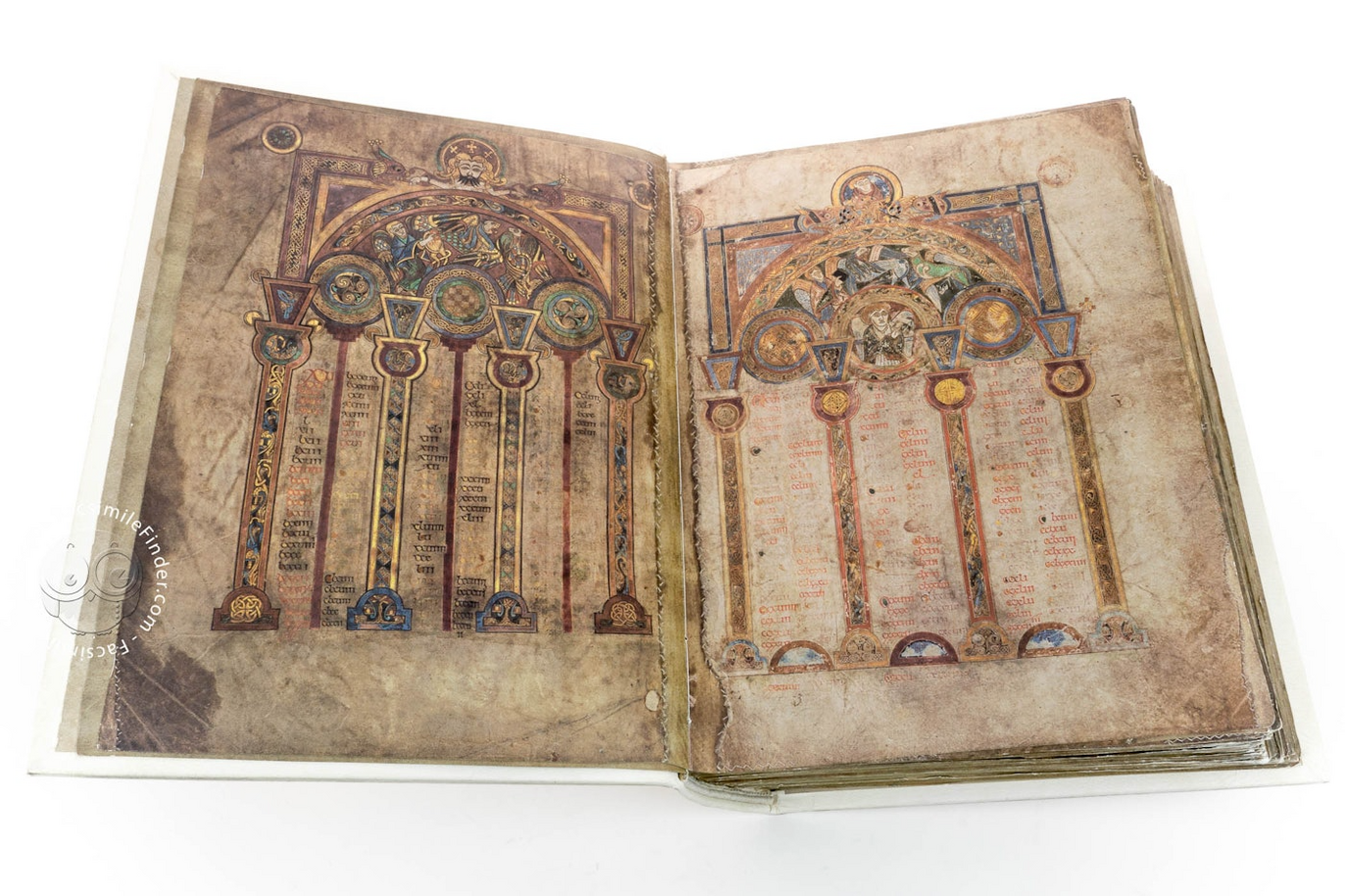
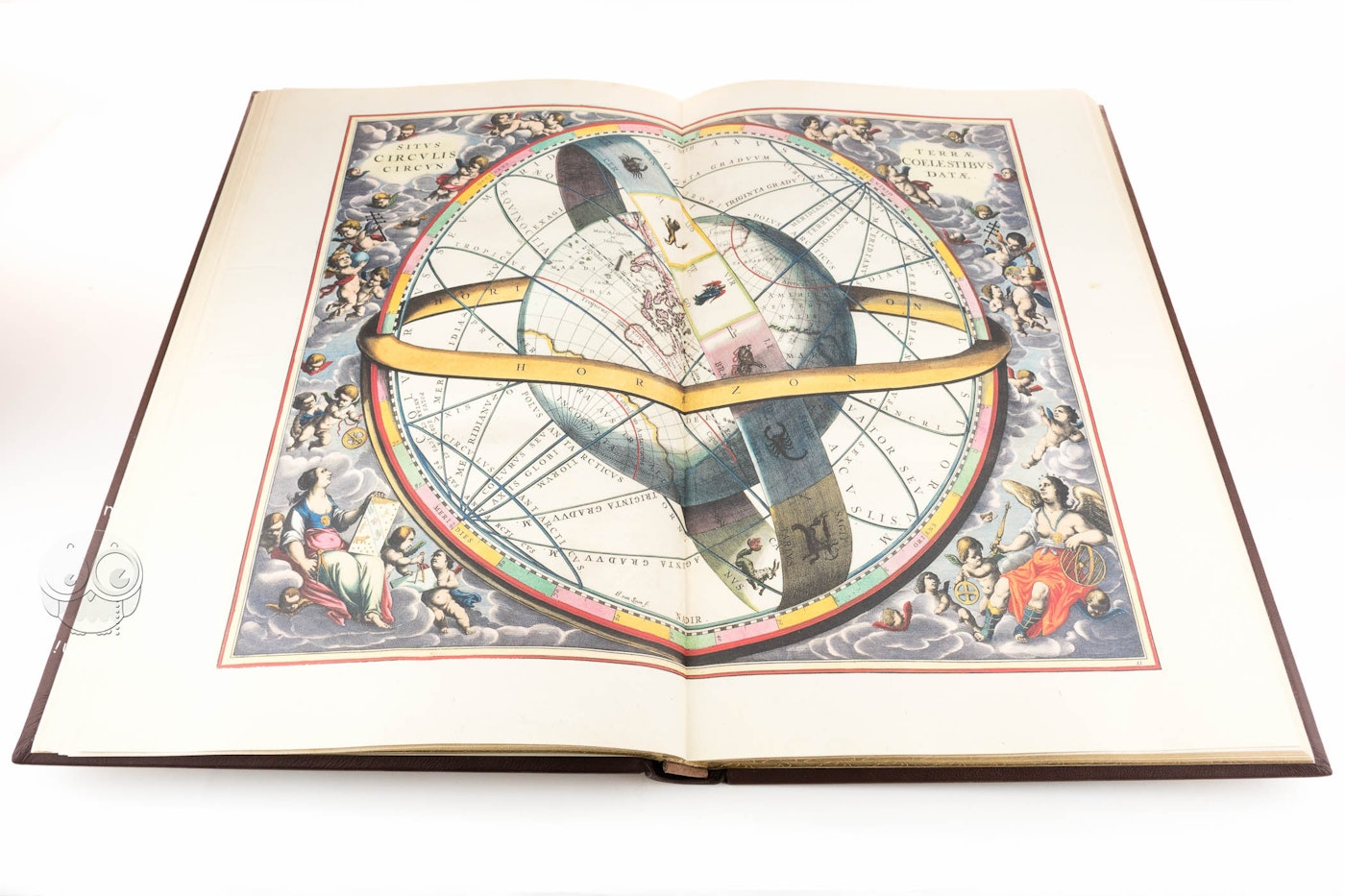
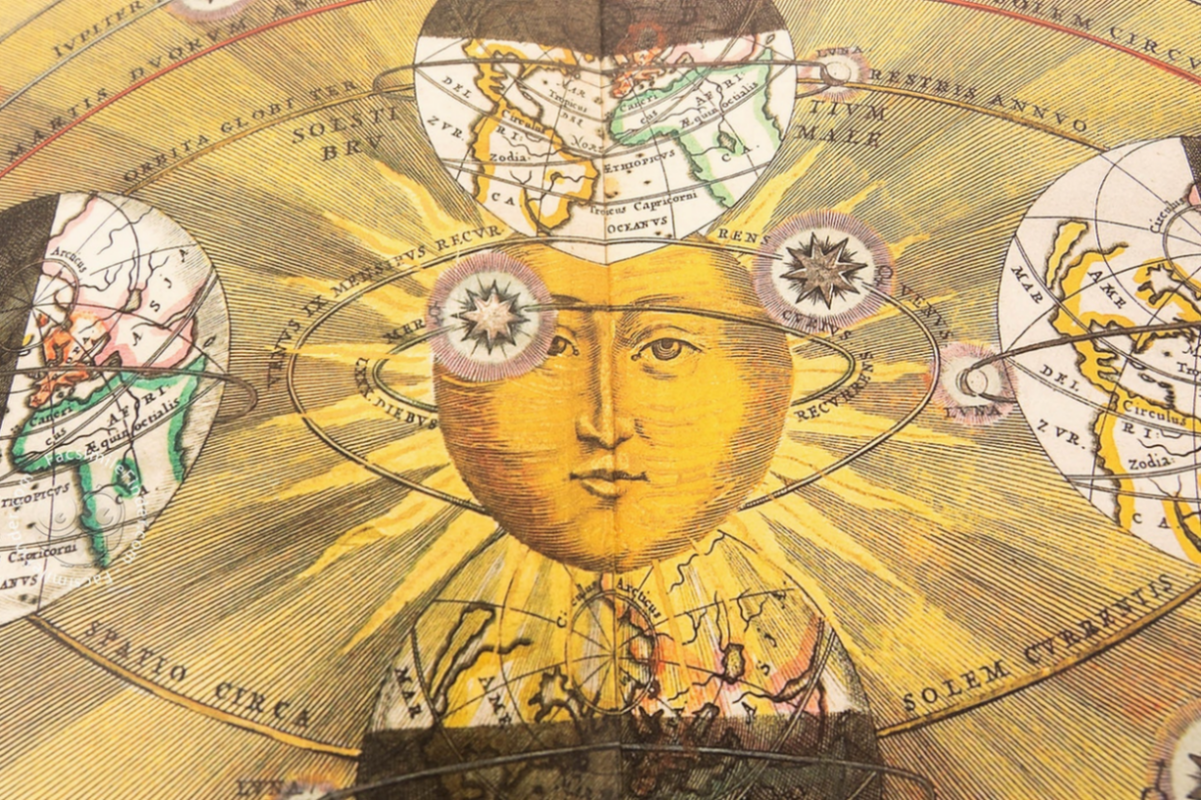
I found a really neat website that finds and sells facsimiles of old books, rolls, documents, etc. facsimilefinder.com. While the price tags are way over my head, they have some great photos and visuals. It is a lot of fun to look at the artwork and design in these relics. I’ll highlight a few I was impressed by. Keep in mind that these are replicas that you could actually buy if you had a few gold coins to spare. The artwork is just incredible . . . truly a window into the past. The following headers/titles link to the corresponding web pages.
Notebooks of Leonardo da Vinci


Song Book of Joanna the Mad


Codex Rotundus


Codex Tulane


Dante’s Divine Comedy


Book of Kells


Harmonia Macrocosmica


Art Lessons from Guitarist Rob MacKillop
Rob MacKillop is a guitarist with a great variety of experience, popular for playing classical music without nails.
As an artist I draw inspiration from other creative fields such as writing and music. There are so many parallels between the various art forms.
MacKillop inspired me with some powerful ideas in a few interviews. I watched them several months ago and have been affected by them since. I just re-visited them and found even more good advice than I remembered finding the first time. Here are the interviews with some quotes and paraphrases of my key takeaways below, but there’s plenty more in the videos; so grab your notebook and dig in.
- “You’ve got to fall in love with music and let that be your guide . . . it’s so important that you love every note you’re playing on the guitar, and if you don’t love the notes you’re playing, why play them?” (59:20)
- “Just be yourself because if you’re not being yourself, who are you being?” (1:07)
- “The beginning point is to find a little kernel of something that is you, not to start with technique.” (2:19)
- “There’s no reason to try to convince others that what you do is great; your own voice will come through; and there are people out there who will like it.” (3:18)
- “Don’t worry about making a mistake; it’s the bigger picture, the bigger story that matters.” (55:49)
- “I didn’t mind the little mistakes he was making here and there because I was listening, not to the guitar so much, but to the story behind what he was playing.” (59:58)
- “Learn from lots of teachers. Be prepared to disagree, but don’t fight with them. Listen and absorb it all, but develop the strength to find your own way. The big journey is actually back to yourself, not out there to other people. It’s me with this box with strings on it — how can we communicate?” (1:07:02)
- “The greatest teacher you can have is the score of music. When you study technique too much you tend to coat everything in that; but if you treat the score like a unique thing in the universe and listen to what it wants, it will teach you how to play guitar.” (1:09:02)
If you’re an artist I hope you’re able to see how MacKillop’s advice strongly applies to making pictures. Artists, writers, musicians – we’re all storytellers trying to discover our identity and master our craft. Just be yourself, love what you do, and tell your story. Technique and mastery will follow.
Lastly, please do visit Rob’s personal YouTube channel and website to hear his music and learn more about him and his work.
3-line NPC Generator
In learning to write fiction for BREX, I discovered the concept of character-driven stories from Johnn Four’s article The 3 Line NPC Method: How to Create Story-Full NPCs Fast. Johnn writes the advice from his perspective as a Game Master for TTRPGs, but I have found his ideas to be superb for writing characters for fiction. A GM needs to be able to role-play his NPCs; a writer must also role-play his characters in abundant situations. I highly recommend reading and studying the entire article for all the goods if you think this idea may help your writing (it is lengthy), but the following link will take you to the specific section that lays out how to use the 3-Line NPC Method.
To sum it up, a 3-line NPC is a non-player character described in the following 3 lines: appearance, portrayal, and hook. Appearance is what you would first see upon encountering the character. Portrayal defines a few key role and personality traits and informs how to role-play the character. The hook is something meaningful, intriguing, exciting, etc. that can expand the plot of the story. Those 3 lines create a powerful package of details that makes writing for the character a joy because you know quite a bit about them from the start including motives and tendencies.
I like to create a bunch of characters before I need them to build up a reserve or library to draw from as the need arises for new characters. As a GM Johnn encourages introducing a new character each session to keep the story moving forward. I have adopted this mentality in my writing. I try to introduce at least one new character in each episode and so far (5 episodes in) I’m having a blast. I have had to create a couple characters to fit specific roles I had written about in my script and it felt less fun and free than writing random interesting characters and then dropping them into the story. I try to let character creation drive the story as much as possible rather than having to create a specific character to fit the story, but it does happen sometimes.
3-line NPC Generator
I was sold on the concept, but I’m very inefficient at coming up with interesting information to write characters; so I created a random generator to spark ideas which I can interpret into interesting elements. I now use this to create all the characters for my story. I still have to do a lot of the work for interpretting the details and writing the story hook, but this tool makes it so much more enjoyable. You can find and use my generator here: nathanparkinson.com/npc. You can even modify the source code and customize your own version however you’d like. I’d love to hear if you find this useful.

Example 3-line NPCs
To give a proof of concept, I will provide a few 3-line NPCs I have generated using this method. You can find explanations for each section at the bottom of the generator page.
Grithim: dwarf librarian
Appearance: (middle-aged, male, dwarf, Merdite, peasant); simple stylish hat, short beard, fiery red pants; impatiently sorting through ring full of keys to unlock something; yelling at students kissing in the library.
Portrayal: (low-skill) Librarian – administers or assists in a library.
Amateur bonsai arborist; impatient; blunt; short-tempered, emotionally fragile (lawful neutral)
Hook: A former circus tamer. Due to an impatient mistake he made his son was killed in the ring by a beast. To distance himself from the memories he left the circus and took a position as a librarian. He is learning bonsai to try to improve his patience; he succeeds sometimes. He is often lost in a cloud of emotion, presented as impatience or distance, as he processes his grief; he misses his son.
Kythar: evil guild master
Appearance: (elderly, male, giant, Ursmite, wealthy); epic hair, metal-plated pants, elaborate silver flute on waist; negotiating in the market about castle business.
Portrayal: (high-skill) Guild Master – leads an economically independent producer (a “guild,” an association of craftsmen or merchants that often holds considerable bureaucratic power).
Sweet odor; swift; duplicitous (neutral evil)
Hook: In jealousy he betrayed his ‘best-friend’ to death and deceived the family that he did all he could to save him. In gratitude they gave him a special family heirloom, a silver flute. It is said that the darkness of his heart corrupted the life stones in the flute, cursing it never again to play a joyful melody.
Atikel: crazy bird lady
Appearance: (middle-aged, female, human, Merdite, destitute); tattered feather dress, bird’s claw clutching strange stone hangs from neck, small birds flit around her; fighting to keep a large bird in a cage.
Portrayal: Fowler – catches or ensnares birds.
She loyally served one of your relatives in a naval capacity; always smells nice/wild (chaotic good)
Hook: She needs your help to save her naive daughter from the scumbag pursuing her. She has convinced him that buying her daughter a certain bird will win her heart, but she knows it will drive them apart. She wants to use Brex as bait for the bird.
Hand Puppet Master: Barnaby Dixon
Barnaby Dixon develops hand puppets and brings them to life with remarkable dexterity. He is incredibly creative and has a splendid knack for humour (though a bit crude or dark at times) and a lovely blend of skills. See for yourself.
The Astounding Work of Nicholas Rougeux: Data Artist
Artists, scholars, naturalists . . . prepare to drool. Nicholas Rougeux – expert data visualizer – has taken the incredible works of historical artists and made them effortlessly accessible in an online format. Below I have highlighted his projects that have most captured my fascination.
ICONOGRAPHIC ENCYCLOPÆDIA of SCIENCE, LITERATURE, and ART

Discover a vast array of knowledge from 1851 spanning Zoology, Military Sciences, Architecture, Mathematics, and so much more, beautifully depicted by over 13,000 illustrations. The image quality is exquisite and the web-friendly formatting has interwoven the text with the pictures for seamless referencing.
British & Exotic Mineralogy

You’ve probably never experienced rocks in this way before. Artistically arranged by colour this collection of high-resolution illustrations makes my mouth water: highly educational and inspirational.
ILLUSTRATIONS of the NATURAL ORDERS of PLANTS

Soak in 160 beautiful illustrations of a wide variety of plants, ordered and interconnected in a gorgeous collection.
Humming-Birds

Nicholas presents John Gould’s 537 species of humming-bird illustrations in mesmerising swarms of lively colour. Prepare to get lost in the intricate details of these delicate beauties.
Mathematical Instruments

This is a smaller project, but still beautiful and stimulating, especially the posters. I love looking at each of the instruments in their groups. I’m a sucker for gadgets of antiquity.
Please also visit Nicholas’s main website to see more of his mastery: https://www.c82.net/. Each project has comprehensive posters that make great wall art.
Karl Kopinski’s Thoughts on Photorealism
The skilled artist Karl Kopinski did a livestream with Proko discussing his character design process and answering viewers’ questions. At the end of the stream a very interesting question was addressed, essentially, “At what point as an artist do you stop striving for photorealism and embrace your own style?”
My Summary
- Part of your development as an artist is recognizing what you do well that makes you unique and interesting, and not always striving for photorealism: your strength might be line quality, lighting, etc.
- As you gain years of experience, simplify your art and engage the viewer by letting them do some of the work; like style, it’s not something that can be forced or else it looks contrived; it requires confidence in your abilities.
- You don’t always have to prove you’re amazing at what you do; there’s always someone better than you; tell your story in your way.
Here’s a few pieces of art from Karl’s website.
Greg “Craola” Simkins’ Artistic Process
The quality of Greg Simkins’ work makes me want to be more diligent (i.e. get focused on making more art and waste less time browsing reference or doing lower-priority things).
“Innovation is saying ‘No’ to 1,000 things.” – Steve Jobs
I aspire to create as freely as Greg does. Watching him paint in video form is awe-inspiring. I found the following conversation on YouTube of him with a couple other artists; he goes into some exciting detail about his creative process.
I especially enjoyed the second half of the first hour of this video.
I’d love to show some of his pieces here, but he asks people not to reproduce his work without permission; so while I wait to hear back from him, go check out his website and YouTube channel for more golden art and advice.
Edit: I got permission to feature some of Craola’s art! Thank you to Greg’s team.


Edit: Jan 27, 2025
Tim Mcburnie’s Strategy For Learning To Draw
Learning to draw is an endless journey. I’m always looking to improve my approach and mindset regarding how to learn and produce most efficiently. Tim Mcburnie’s advice on the subject resonated with me. I love the quality of his art.
What I took away
- Your need for the art fundamentals depends on what art you want to make. Many current pros just drew a lot without focusing on fundamentals.
- Follow an applied fundamentals approach: decide what art you want to make and spend most of your time making it while building your foundational knowledge and skills to support that.
- Apply foundational concepts ASAP! Doing endless studies and exercises just helps you get good at exercises. What’s most important is to understand how to integrate/apply the knowledge gained from an exercise or study into your workflow, how you can actually use it to help make art.
- Exercises are largely an academic approach; once you understand the techniques/ideas, you can skip doing exercises and apply them directly to your work.
Did I mention I love the quality of his art? 😉
Please do check out his website and YouTube channel.
Stranger Planet
Nathan Pyle’s Stranger Planet series of books is simple, clever, delightful, and hilarious.
Pyle’s humour rarely ceases to deliver a laugh. To see more visit this page and Nathan Pyle’s website.
Learning Composition
For an artist composition is debatably the most important skill to learn and employ in one’s craft. I have compiled a list of resources I’ve found helpful in learning this skill.
WARNING: there is a lot of contradicting information about composition available online. As Glenn Vilpuu says, Nathan Fowkes emphasizes, and the Draftsmen echo,
“There are no rules, just tools.” – Glenn Vilpuu
I’ve tried to list the sources in rough order of what made the biggest impact/impression on me. I’ve not watched every video here, but I am familiar with each artist enough to recommend them. Remember, too much head knowledge without application isn’t usually healthy (in any area of learning). Try to put what you learn into practice as soon as possible before taking in more information.
Free Internet Resources
Nathan Fowkes
Nathan Fowkes has some free content about composition on YouTube, but his most valuable offering is his paid course on Schoolism.
- The Core with Nathan Fowkes, Part 1: Pictorial Composition
- The (Not) Rules of Portrait Composition
- Composition conversations with artist Nathan Fowkes.
- Nathan Fowkes YOU NEED TO KNOW THIS
The Draftsmen Podcast
The Draftsmen podcast/channel on YouTube has at least one episode dedicated to composition; Marshall Vandruff is very knowledgeable about composition and often has great advice to contribute; Stan Prokopenko has good advice, but Marshall has more life experience; they have rather different backgrounds as artists and each offers a valuable perspective; they balance each other nicely.
- How to Learn Composition – Draftsmen S2E15
- What Are The Fundamentals? Draftsmen S1E04 (not strictly a composition episode, but they touch on how it fits into the rest of the art fundamentals)
- From Rocket Scientist to Professional Artist (ft. Jama Jurabaev) – Draftsmen S2E33 (Jama Jurabaev is a past student of Marshall’s and has some stunning work.)
Bill Perkins
Glenn Vilpuu (and Michael Spooner)
Glenn Vilpuu spews artistic wisdom constantly; he’s a great figure-drawing instructor; just be aware that as a classically trained artist, he works a lot from nude models.
- How to Create a Composition From Imagination with Glenn Vilppu
- There Are No Rules, Just Tools (Draftsmen talk about Glenn Vilpuu’s advice)
- Composition and Lighting, with SPECIAL GUEST Visual Development Artist Michael Spooner! (two veteran pros chatting about composition; both blew my mind)
- Michael Spooner is a wonderful illustrator. I love his work.
James Gurney
- James Gurney has much to say about composition on the Gurney Journey blog
Feng Zhu
Feng Zhu on composition (Feng has tons of free, valuable drawing instruction)
- Design Cinema – Episode 104 – Environmental Composition
- Design Cinema – EP 78 – Environmental Thumbnails
- Design Cinema – EP 89 – Just Draw! (I love this episode so much!)
- Design Cinema – EP 101 – Sketching 101 (I love this one too)
Trent Kaniuga
- Secrets of Thumbnail Drawing (Real-time) (Trent Kaniuga has a lot of good art advice)
Alphonso Dunn
- How to Draw Tips | What are thumbnail sketches? How to use them (Alphonso Dunn has some good art advice)
Kim Jung Gi
WARNING: Kim Jung Gi frequently draws extremely inappropriate content; so I don’t endorse all his stuff, but man is he ever good. He gives a bit of drawing advice and instruction, but one can learn much from watching him draw; I find his skill inspiring and something to aim for. The following content is safe.
Aaron Blaise
While I don’t find Aaron Blaise‘s composition advice to be very strong/helpful, he’s got a lot of other great art advice, especially when it comes to drawing animals; I will say though, that he composes very well intuitively through decades of creating on a highly professional level; I just don’t find that he communicates too strongly in the area of composition.
More Resources
- help-me-draw on composition (they categorize art resources from all over the internet; tons of great stuff)
Paid Internet Resources
Art Inspiration
- If you haven’t seen Syd Mead‘s art, you’re missing out 😉 – wild, futuristic concept art with stunning compositions.
- Joseph Clement Coll has absolutely amazing compositions in his ink work – so much energy: Image 1 & Image 2.
- Pete Beard‘s YouTube channel will open you up to new worlds of art and composition.
- Bobby Chiu‘s interview with Heri Irawan – if you’re struggling economically, this guy may inspire you. Bobby has tons of really interesting artist interviews and other great advice; listening to other artists talk about their lives is a bit like reading biographies; you can learn something from everyone.
- Bobby Chiu’s interview with Devin Elle Kurtz has tons of art advice and inspiration. Also check out Devin’s website.
Final Thoughts
A useful exercise is to try to break down other people’s compositions as studies; just do little 1×2 inch thumbnail copies (or go up to 3.5×5 inches); try to study how they structure the values (i.e. scale from light to dark) and the colours. What kinds of contrast do they use? How do they focus/move the viewer’s eye? etc.
A simple YouTube search for “art composition” by itself or with an artist’s name will yield many useful results. These are some of the most influential resources I could recall from several years of drawing. I know it’s a ton of information; please don’t go crazy and burn out; just pick one resource to start (whatever catches your eye) and spend some time on it; pace yourself. Don’t try to consume this waterfall as fast as possible, but do drink deeply to your satisfaction. I’d recommend visiting this list from time to time when you’re wanting to up your composition game. Composition obviously isn’t all there is to know about art, but it’s a really valuable skill, and as Nathan Fowkes’ says, possibly the most important skill an artist can possess.
Drawabox’s 2022 Spring Promptathon
For a few months I’ve been working through the incredible (and somewhat monotonous) Drawabox course (I’m on Lesson 2 and really enjoying the challenging texture studies!). I’ve known about Drawabox for probably over a year, but I finally dove into it in January of this year to really nail down my drawing fundamentals. After many years of work, Irshad (Uncomfortable) — the founder and instructor of Drawabox — and his teaching assistants were feeling burnt out and announced Drawabox’s first quarterly drawing promptathon which ran from March 25-31. During the promptathon students drew from a new prompt each day instead of doing their usual homework and submitted their work for everyone’s enjoyment . . . and exclusive avatars, achievements, and bonus credits. The drawing for each prompt had to be completed within 24 hours of the prompt being revealed. It was a great community event which lasted 7 days and generated a ton of creativity.
Today I’ll just share what the prompts were, and then over the next 7 days I’ll share my artwork for each day of the event.
Drawing Prompts
Click on an image to read the full prompt description on the Drawabox website.
Nathan’s Artwork
I look forward to sharing my art with you. I had great fun with the prompts, and I know the other participants did as well. I’d like to say a huge thanks to Irshad and his team for an incredibly inspiring week of drawing and fun, and I want to thank the Drawabox community for all the friendly interactions and support. The Drawabox promptathon was the final push I needed to get this blog up and running.
The following links will become active as each post is published over the next 7 days.
- Day 1: Cosmic Confectionary: NovaPop 3000
- Day 2: Mushroom Manor: Fungi Ascending
- Day 3: Tea Time at World’s End: Diner-scrap Kettle
- Day 4: Mascot High School: Wrestling Champion
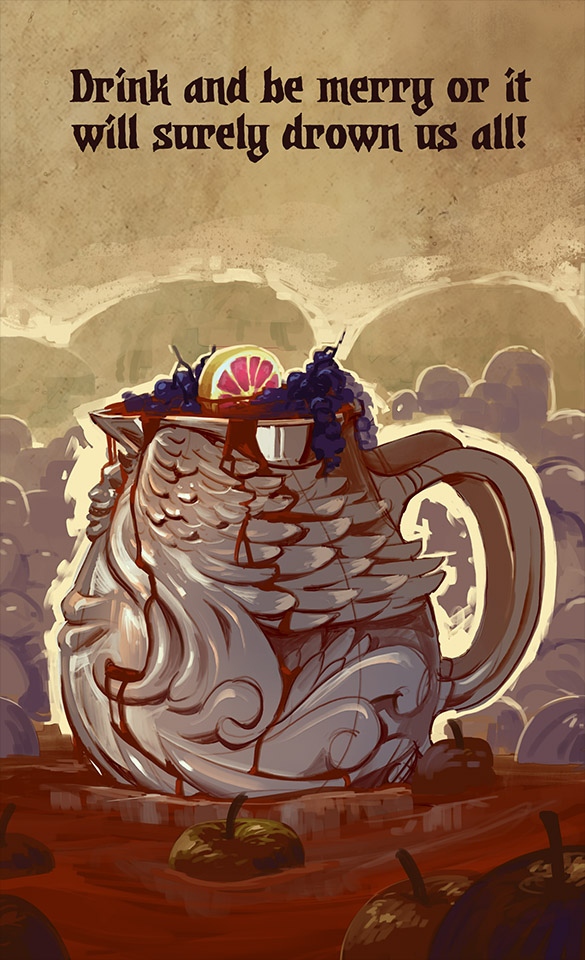
- Day 5: Decanter of Drowning: Milk Eternal
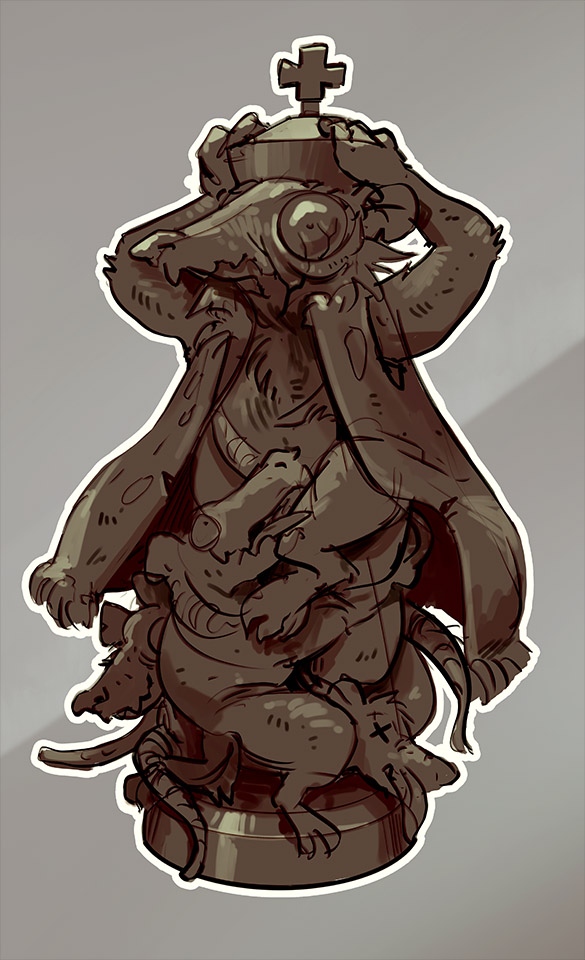
- Day 6: The Court of the Rat King: The Rat Knight
- Day 7: Junkyard Symphony: Music Chair