learning

Expressive Weasels: LCA Stage 3
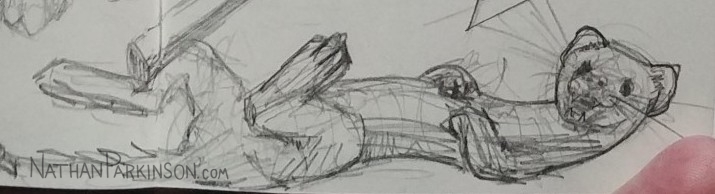
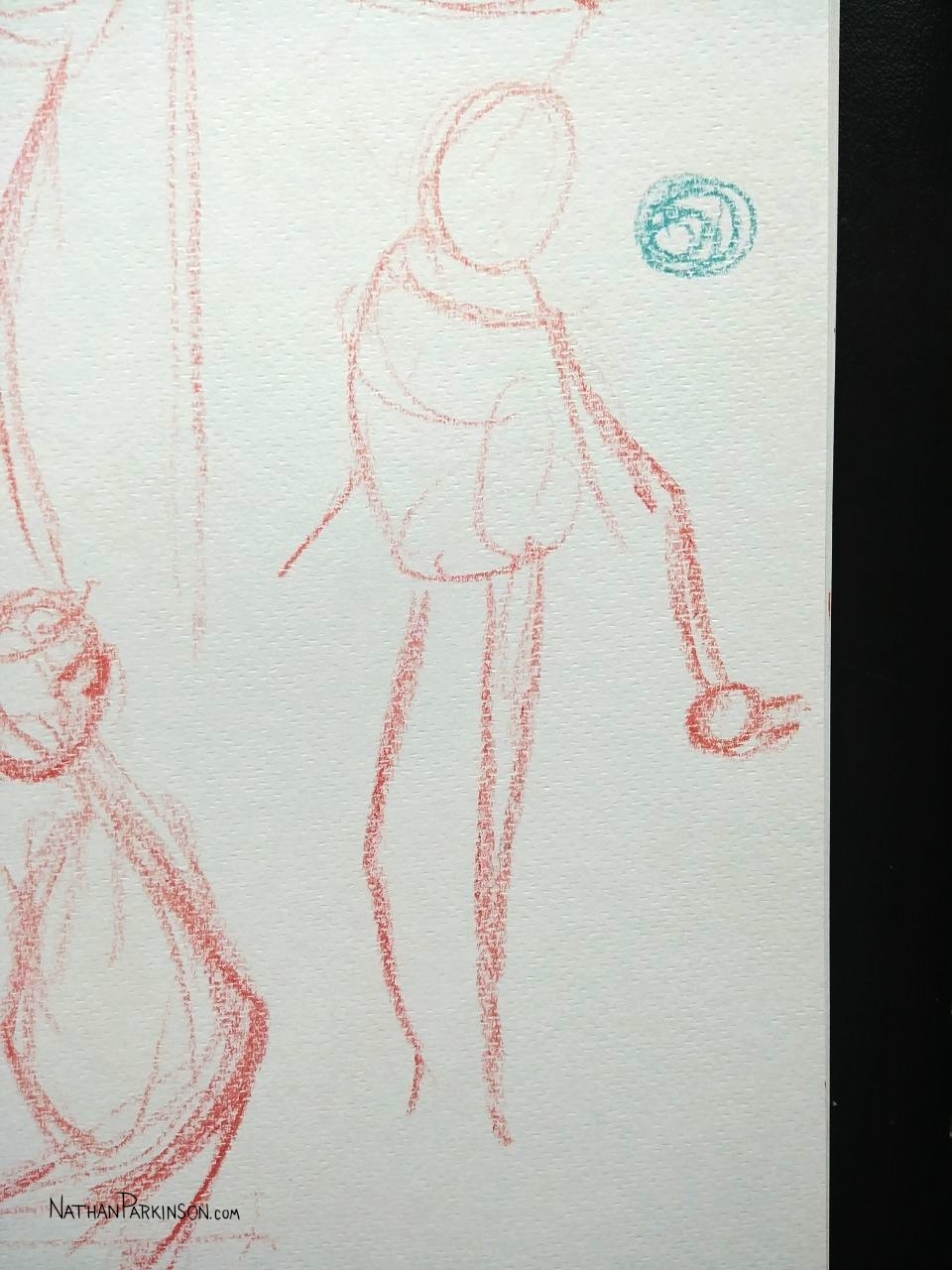
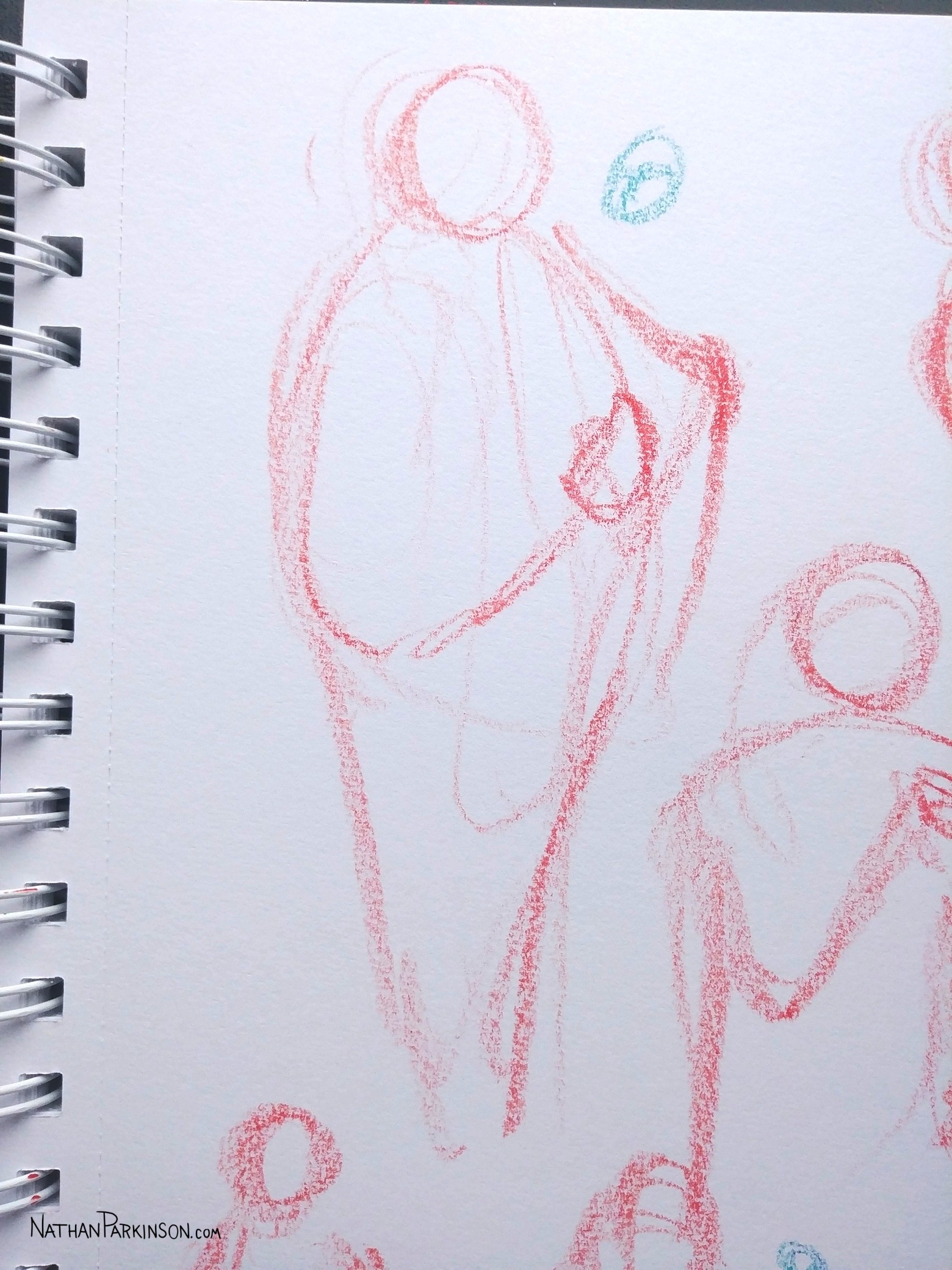
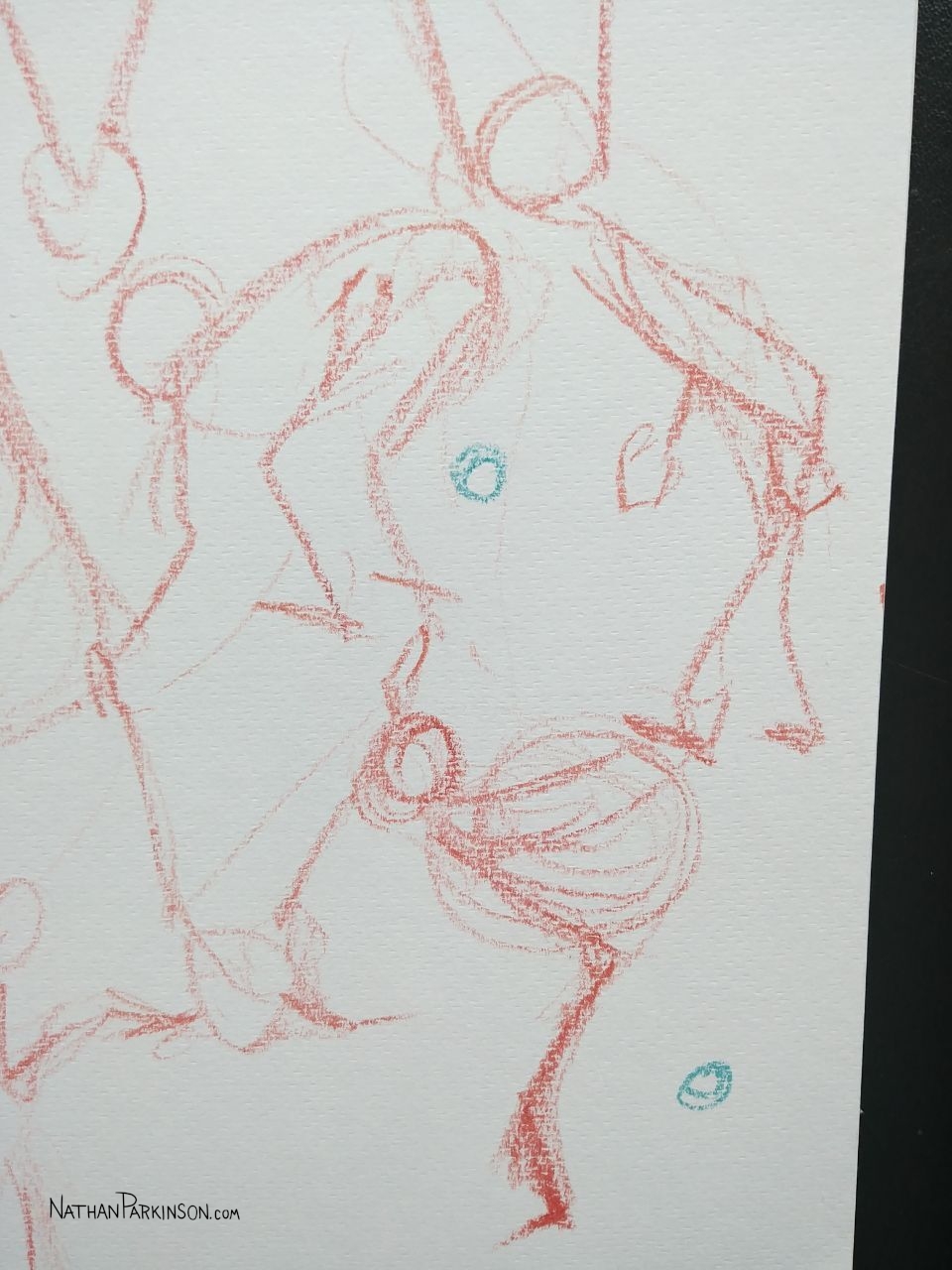
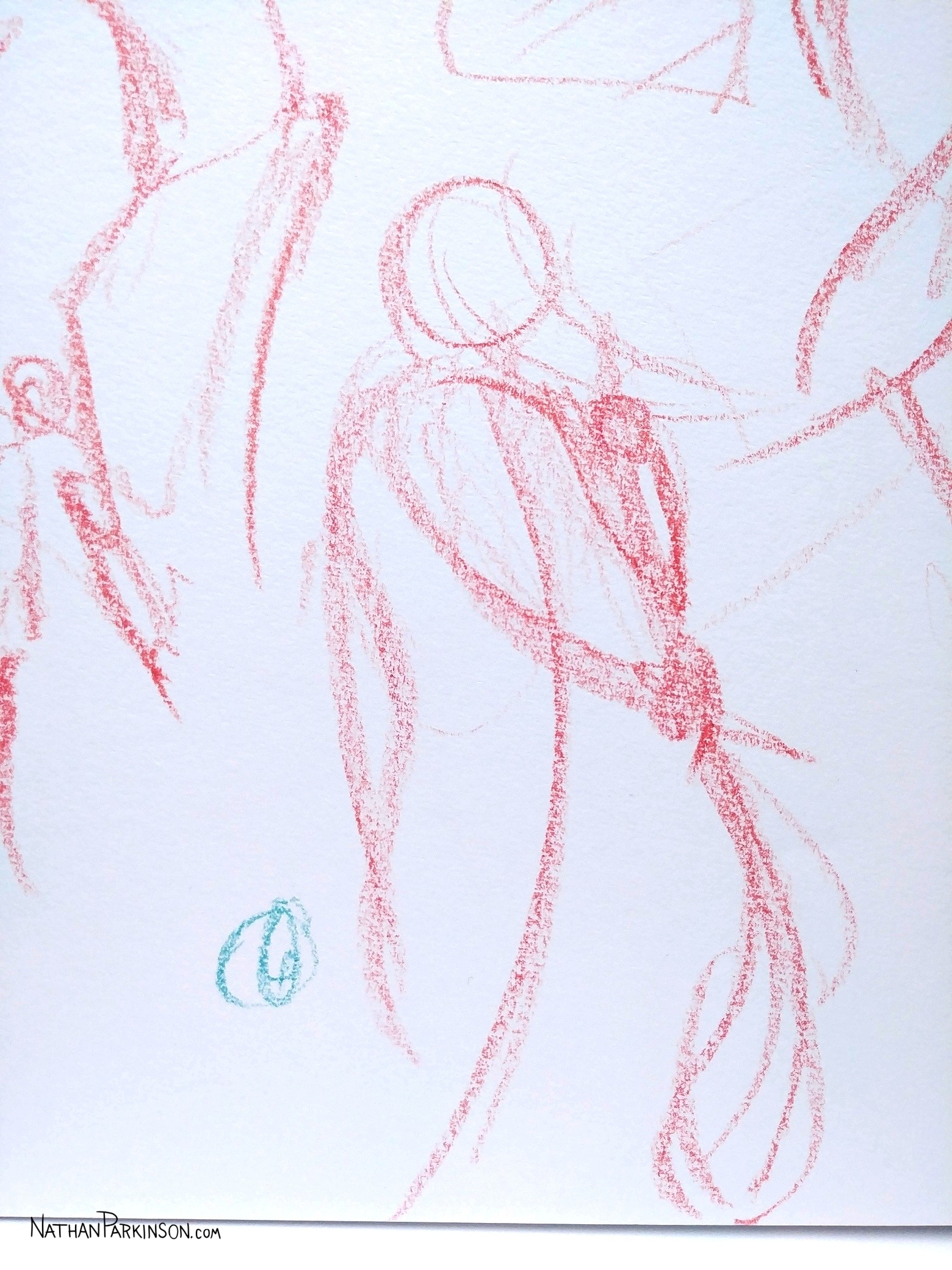
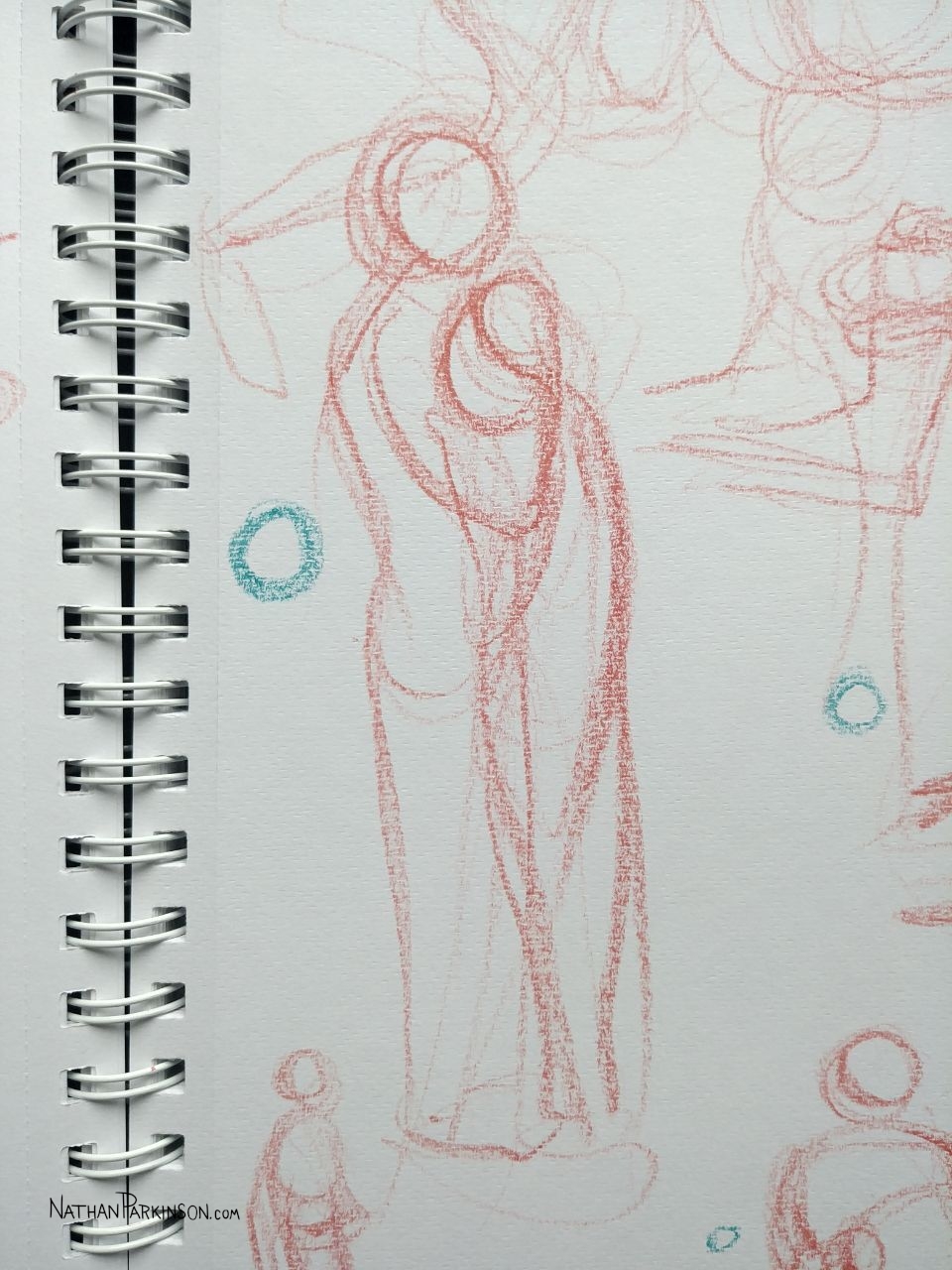
Weasel sketches 0313 5 nathanparkinson.com

I’m excited to share that I have completed Stage 2 of the Line and Color Academy. To recap what I completed in this stage, I did 26 letter illustrations for AlphaCon, 20 character portraits, and 20 full-body illustrations of anthropomorphized characters . . . and it only took me 6 months :). You can go back and see a lot of the work I shared in previous blog posts.

Stage 2 was about learning a simple, reliable process. Stage 3 is about making and tracking reliable progress; to do this effectively, it’s best to pick a very specific thing you want to improve at and then put in consistent effort and track your progress over time.

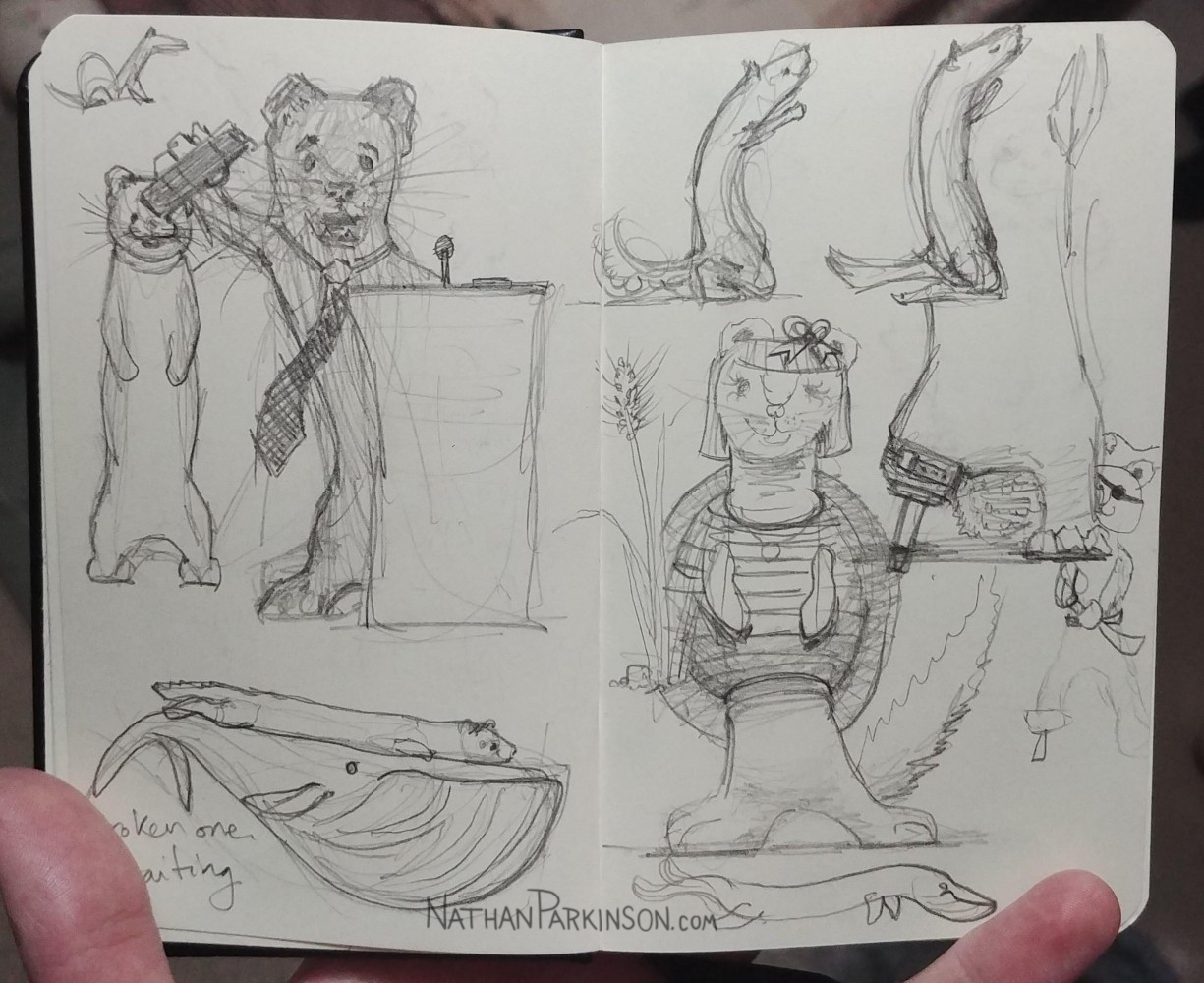
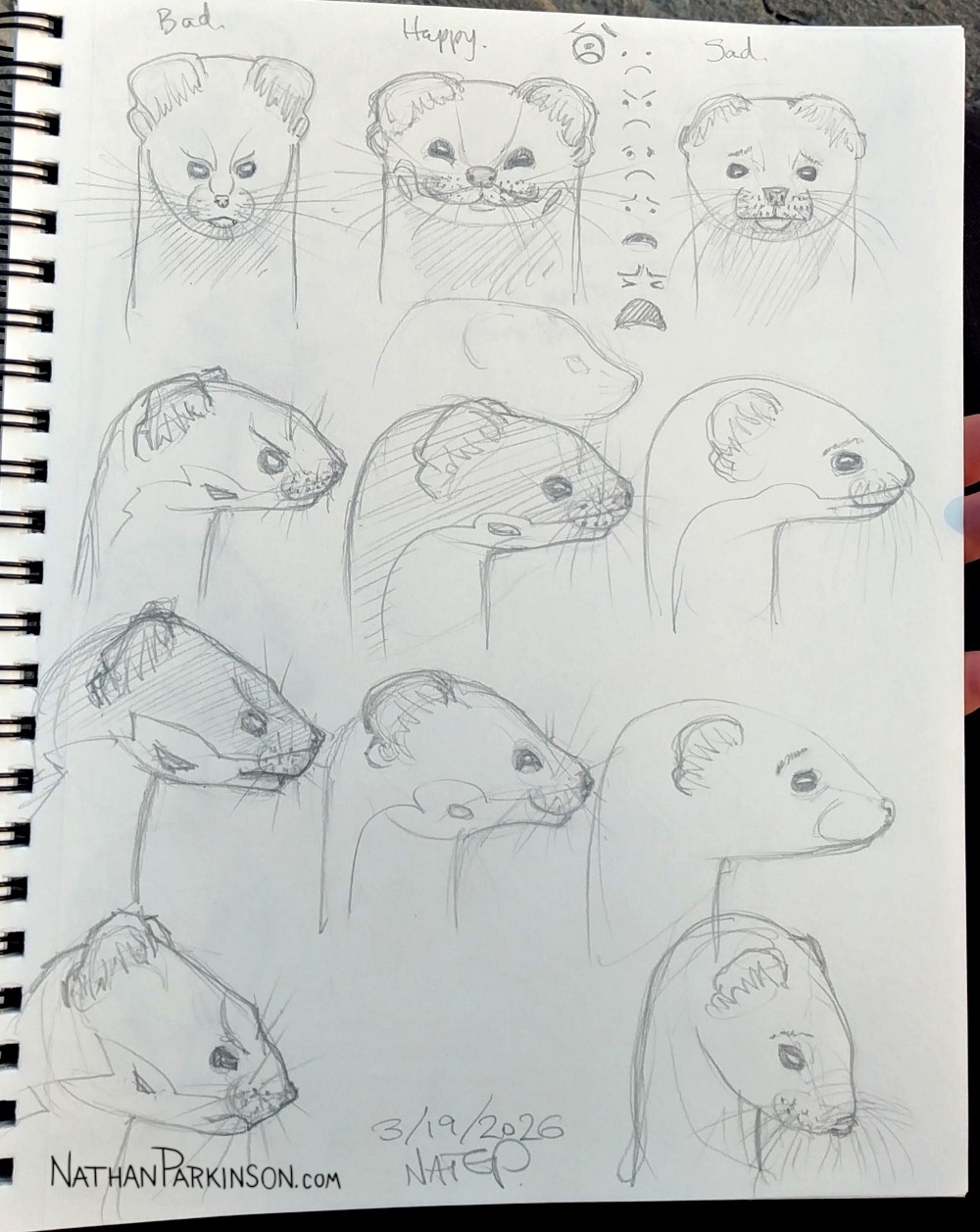
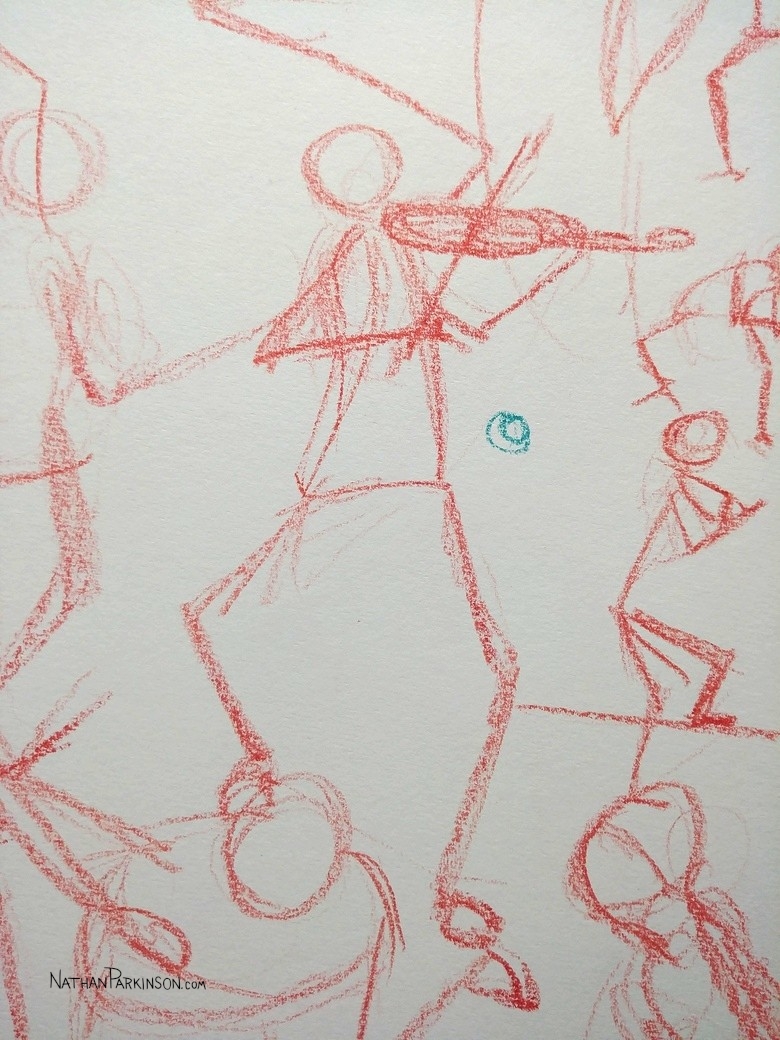
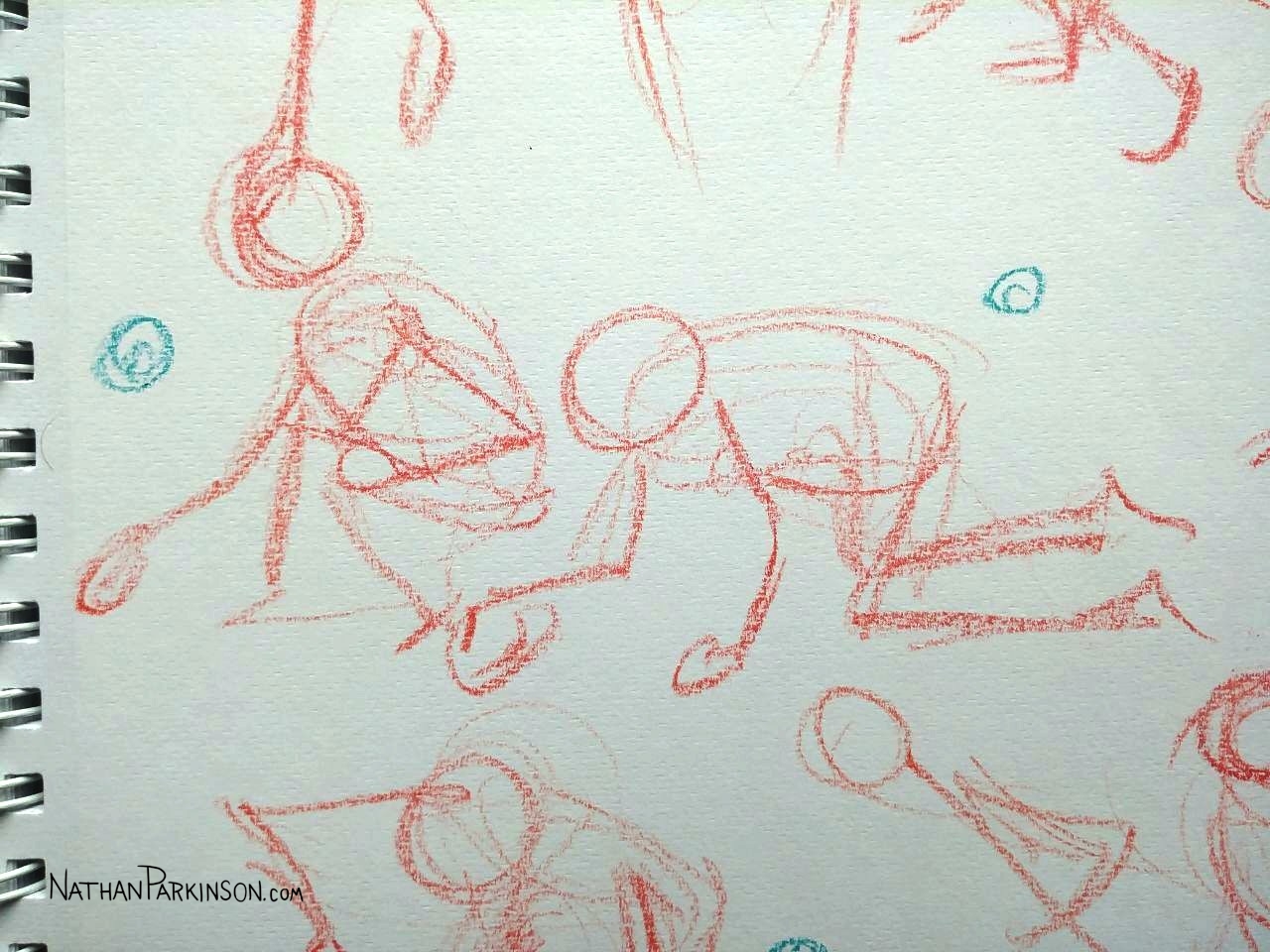
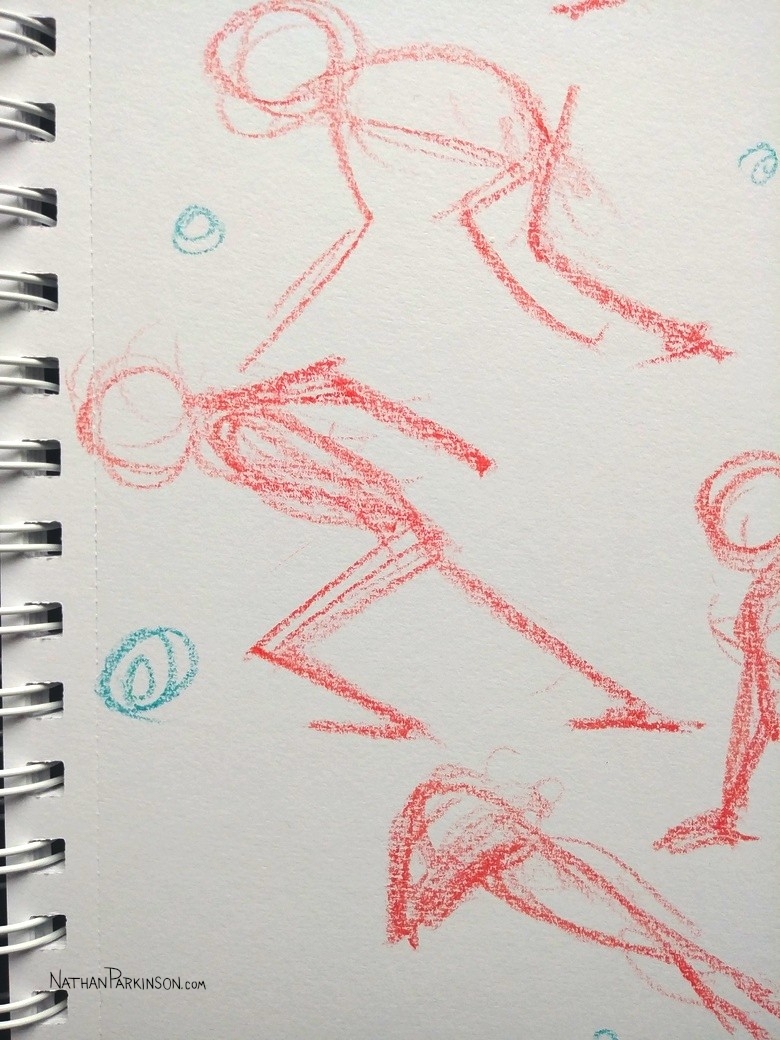
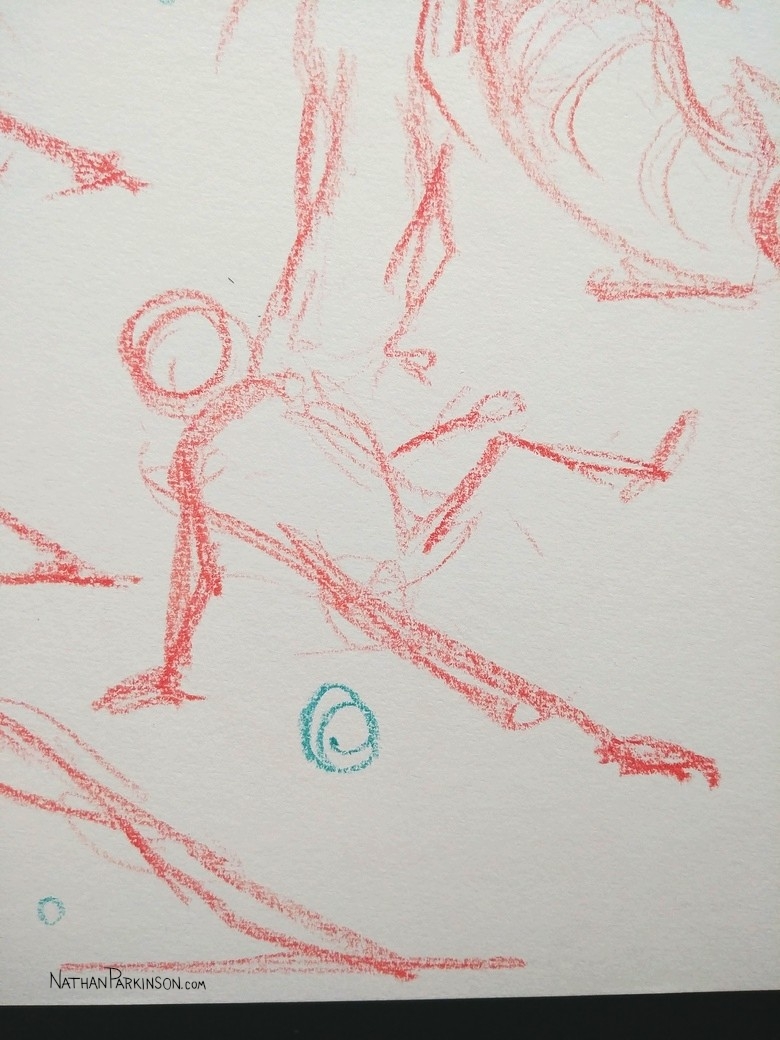
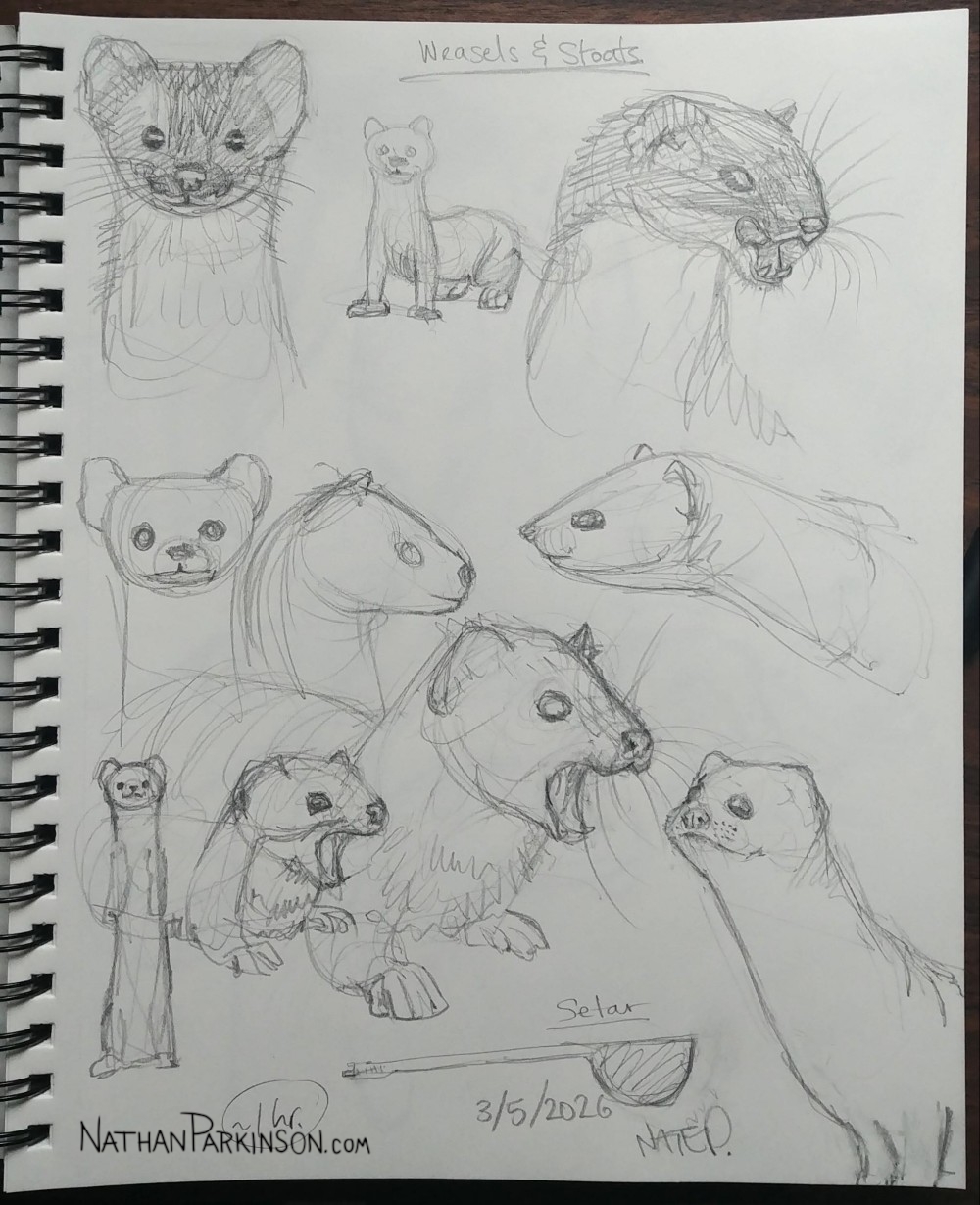
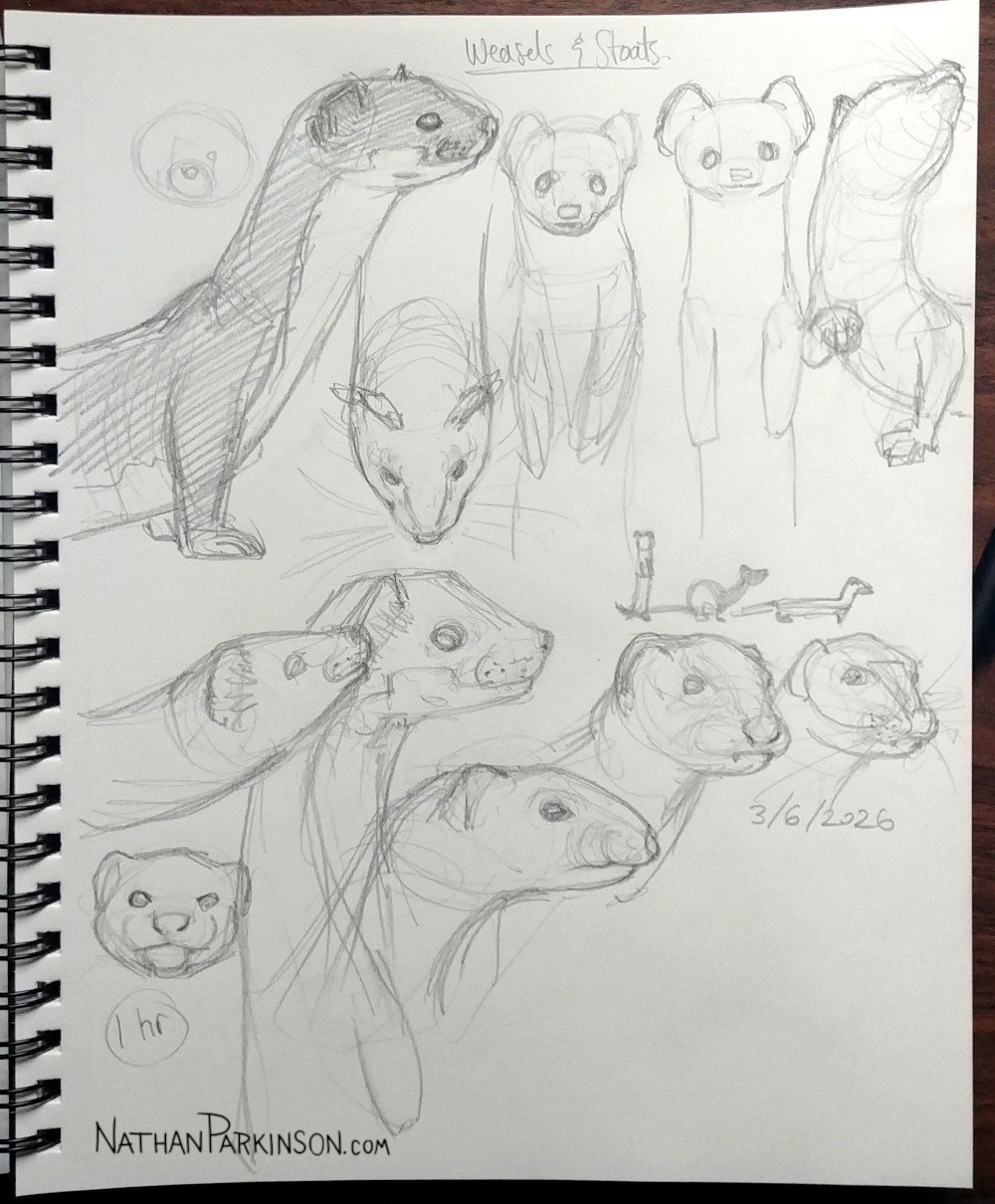
To begin Stage 3 I’ve chosen to try improving at characterization, the expressiveness of the characters, the interest of the character design, the caricaturing through anthropomorphism. I spent the last 3 weeks daily studying and drawing weasels, trying to really understand them so I can create convincing weasel characters. My previous 20 anthropomorphic characters were done with almost no prior study of the creatures I was drawing. I had drawn them a little bit over the last several years, but never in-depth study to really try to understand them. I relied mostly on memory of what they look like, my ability to construct bodies and form, and a bit of photo reference for some just-in-time learning.

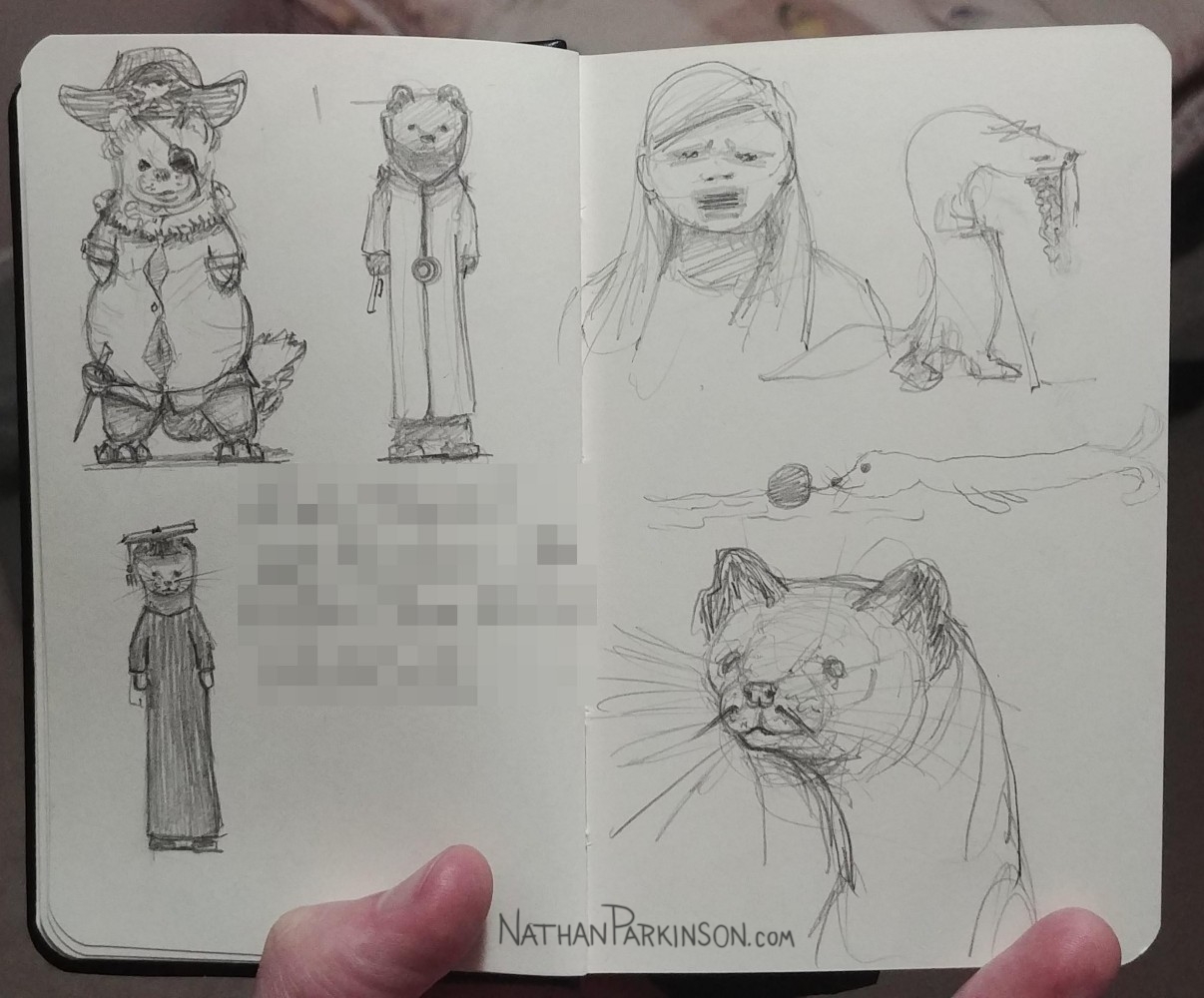
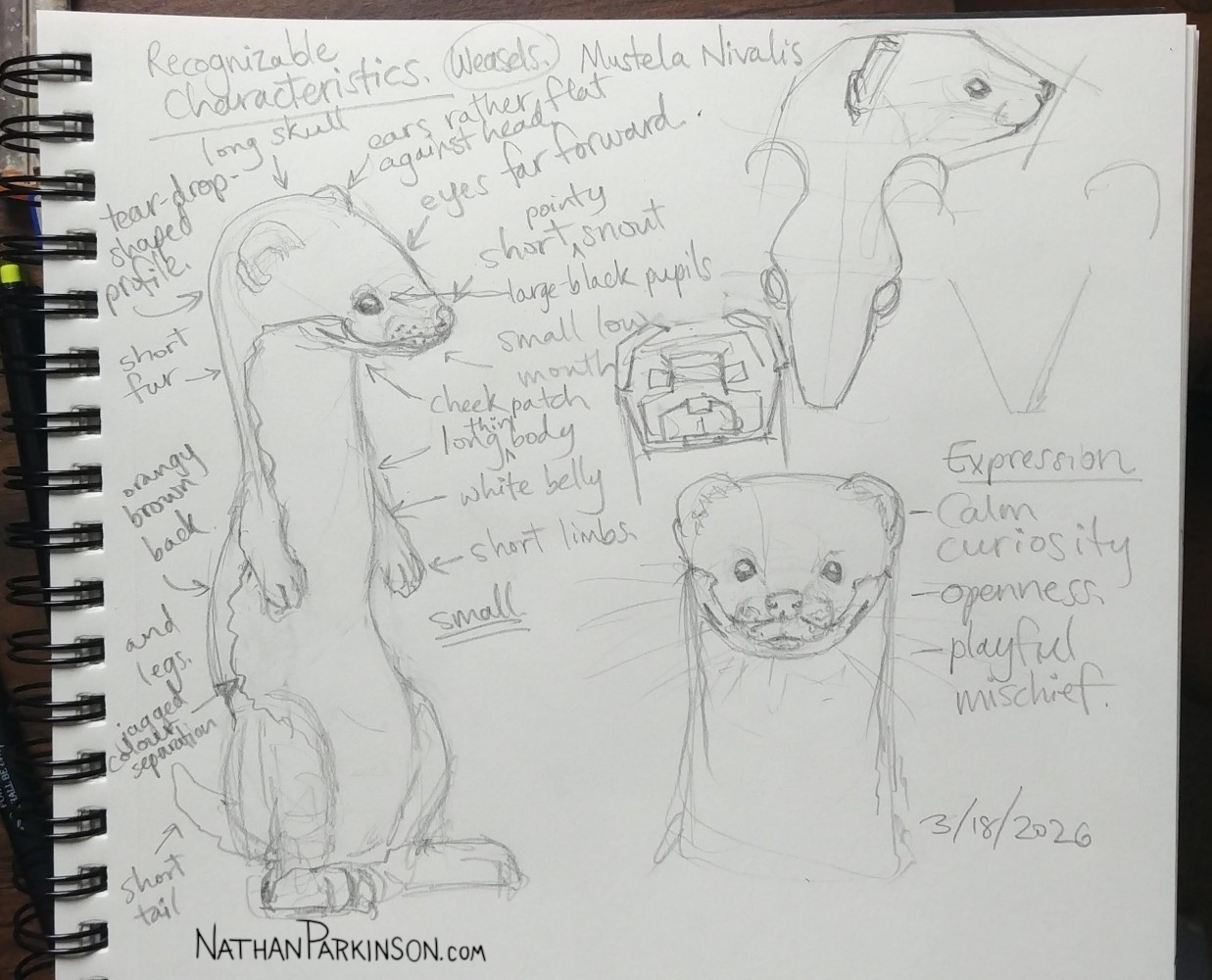
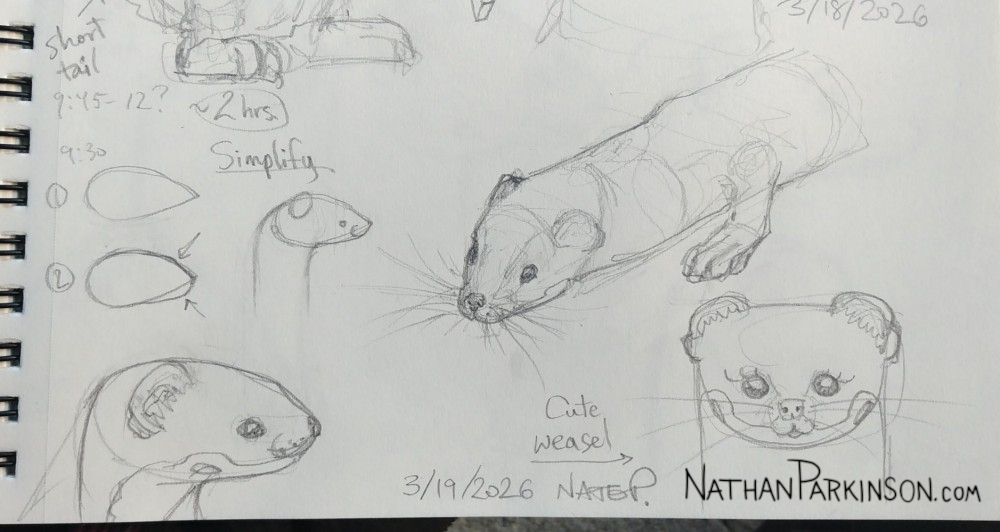
In this post I share some of the sketches and studies from my time studying weasels to show you a bit of what goes into this sort of learning.

I began by observing photos and videos of weasels and stoats just trying to get an understanding of them – how they move and act, their behaviour.
The following sketches were done while I was at an event and didn’t have any photo reference with me; so I had to rely on what I could remember of what I had studied the week before. I partly incorporated some of what I was seeing in my surroundings. This gave me a good chance to start applying what I had learned about the weasels into drawing my own characters.
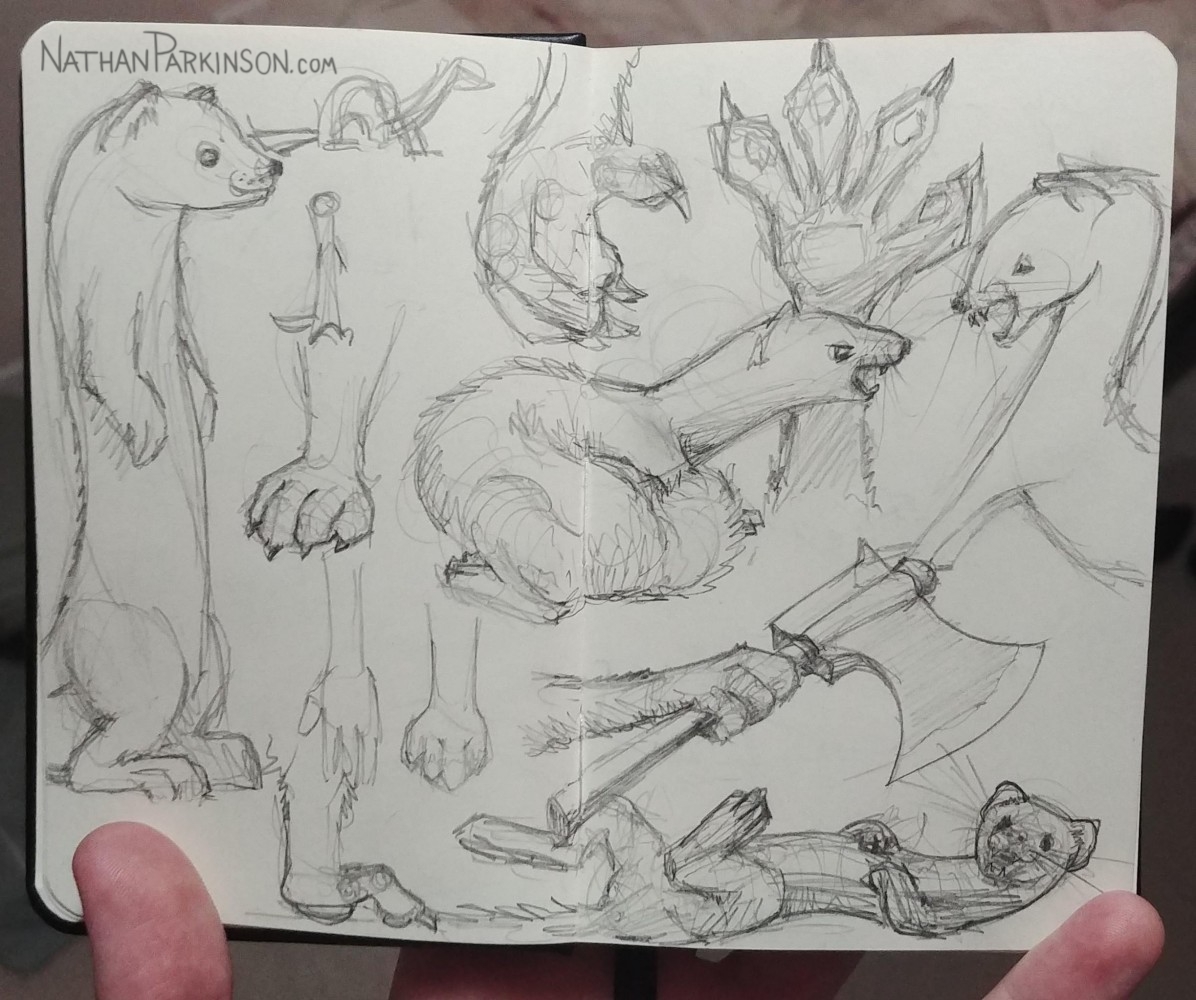
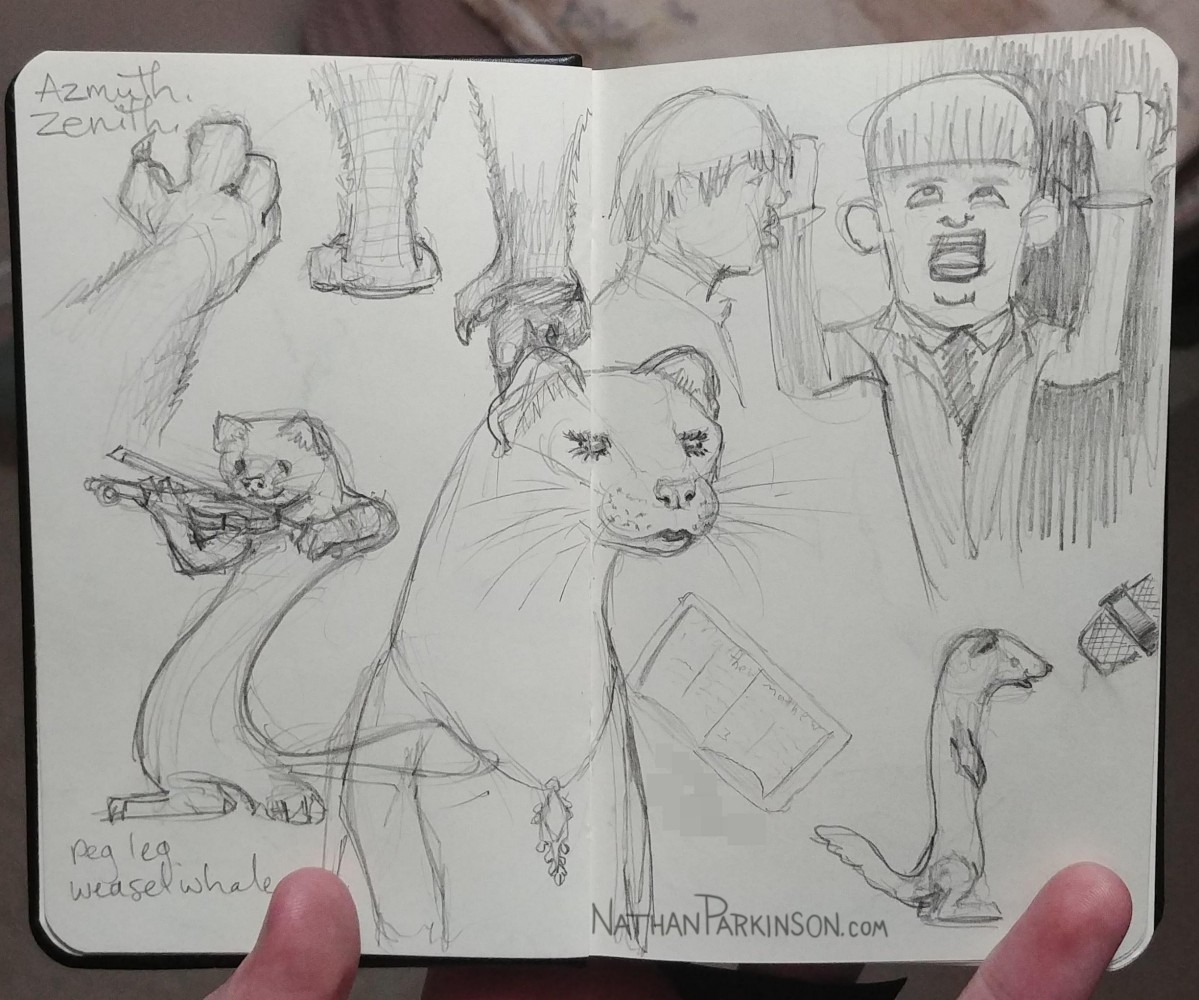
I requested feedback about anthropomorphism from people in the Mighty Artisan community and got some really useful advice about breaking the process down into simple steps. I tried applying the advice in the following pages.
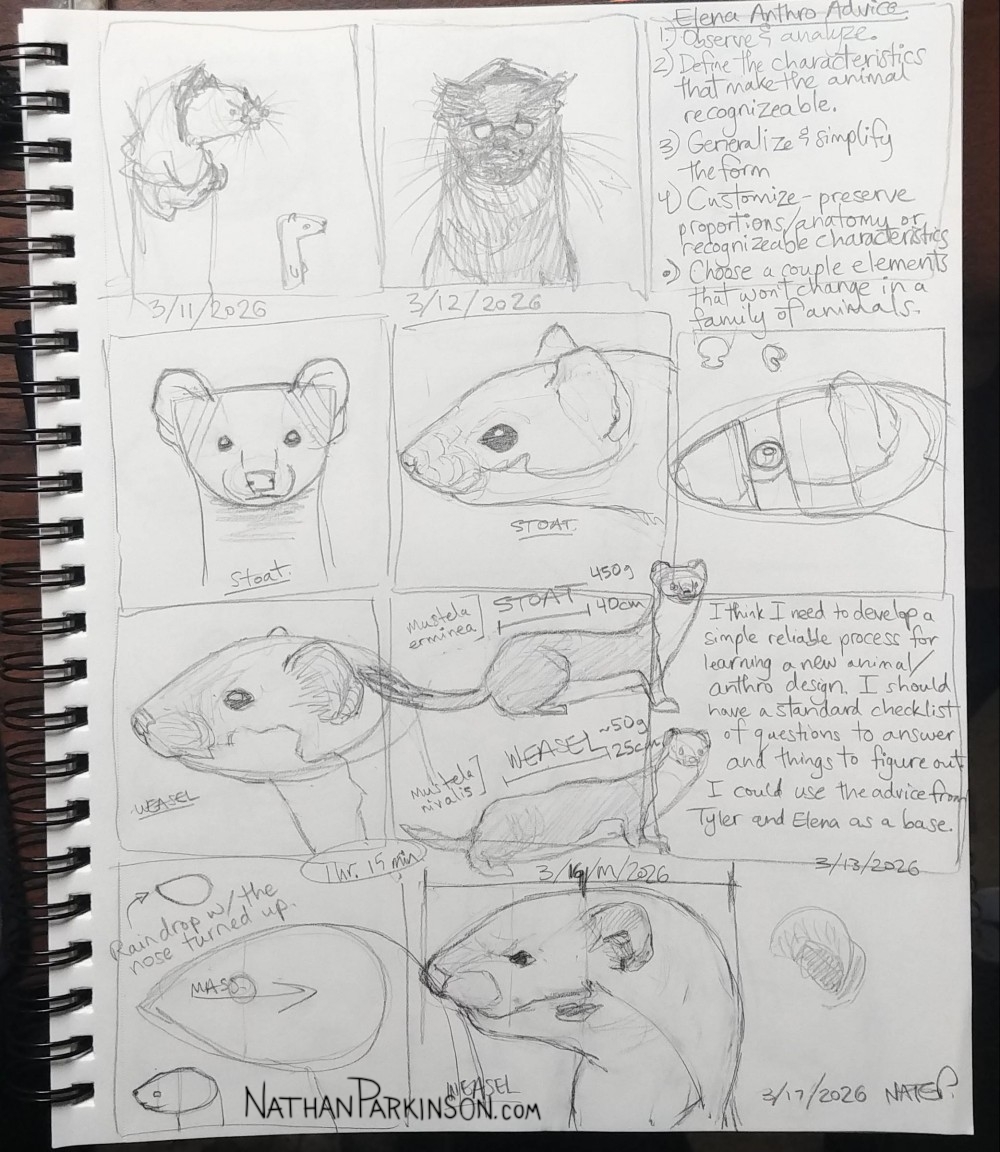
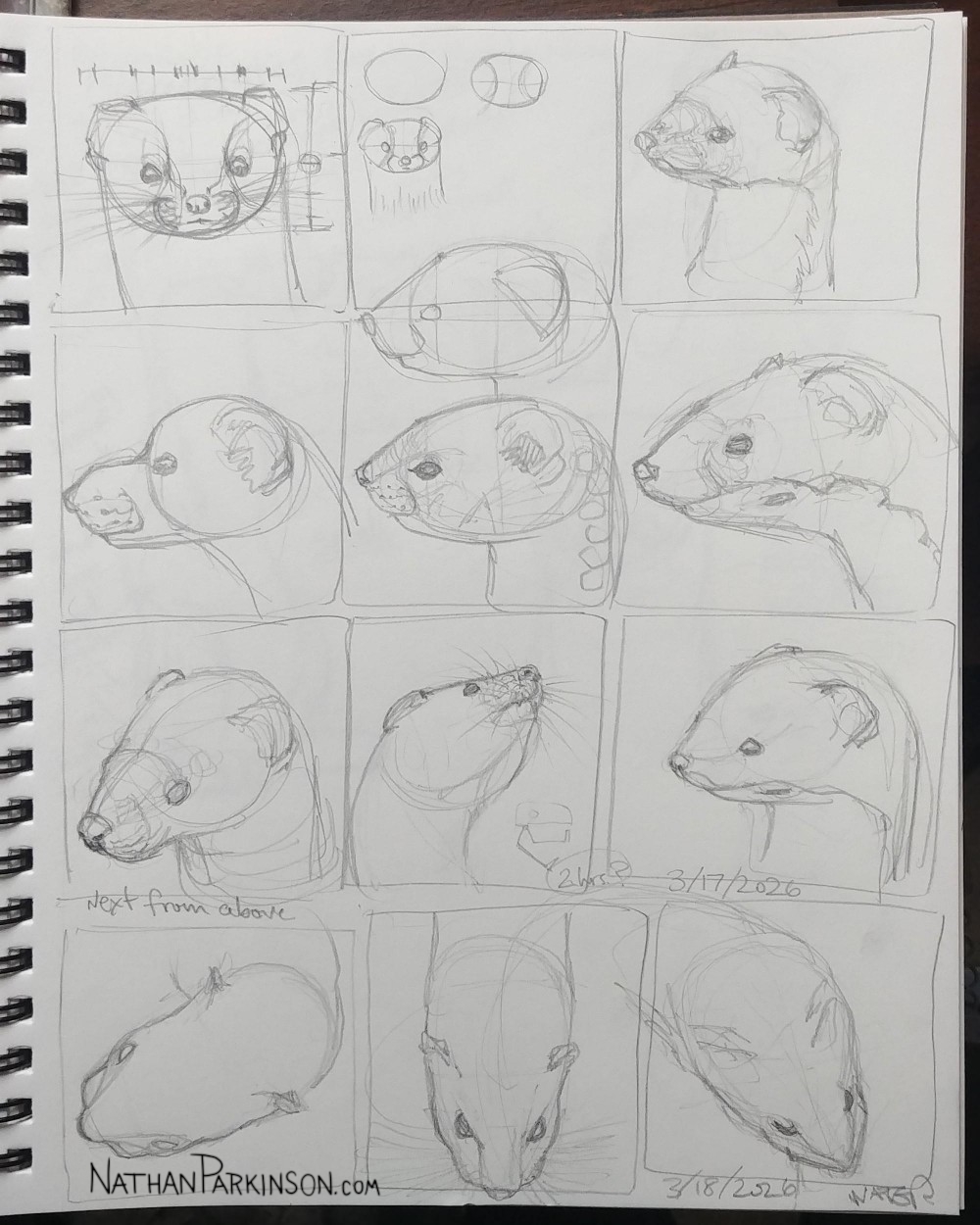
There’s a glimpse into what it looks like to study weasels. I plan to continue my studies for another couple weeks before moving on to a different animal. I’m also going to be trying to complete more illustrations in that period.

Have a great day!
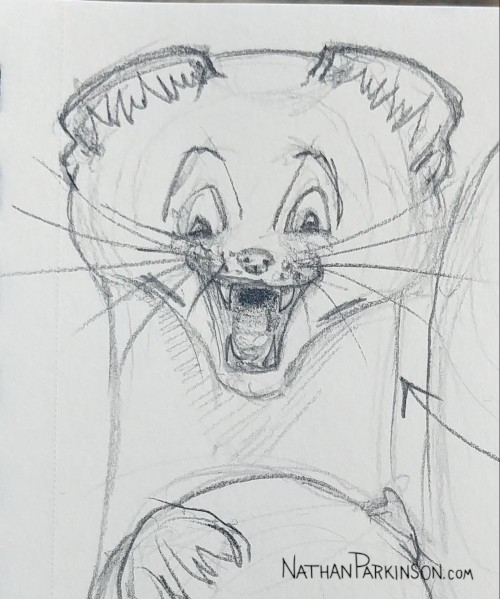
Weasel studies 0319 3d nathanparkinson.com

The Library: Artist Resources

These are some of the most valuable resources I have encountered on my artistic journey: they’ve offered much needed guidance and have helped set my course. To give more context a few of the links will go to articles on my blog.

Library Frederic Pillot
Image credit: Frederic Pillot

Live Demos, Sage Advice

Mastery in Real-time – beyond seeing great finished artwork, there’s nothing to light a fire under you like watching masterful artists create in real-time, and share their thought processes. Here is a selection of my own influences:

Advice, Interviews & Artist Profiles

  • Finished, Not Perfect, Jake Parker – Just Do It! Embrace your current skill level; be a master of whatever level you’re at. Create stuff, build momentum, study as you go and learn from others; keep at it and you will improve.
  • The Secret of Simple Forms, Marshall Vandruff – Here I think Marshall wonderfully lays out the basics of form drawing in relation to perspective. This information will especially benefit beginners trying to wrap their minds around the concept of drawing from memory and imagination, why it is so difficult to do, and how to train it; but even if you’ve drawn for years, but have never tackled this subject, Marshall will offer valuable insights.
  • You Need a Product, Not a Project, Jake Parker – experimenting and exploring are valuable activities for artists, but when trying to make deliberate progress, specificity is key.
  • SELF TAUGHT ARTIST SECRETS AND STRATEGIES, Trent Kaniuga – I think this is a nice introduction to Trent; he’s a super generous concept artist; he teaches so much value on his YouTube channel.
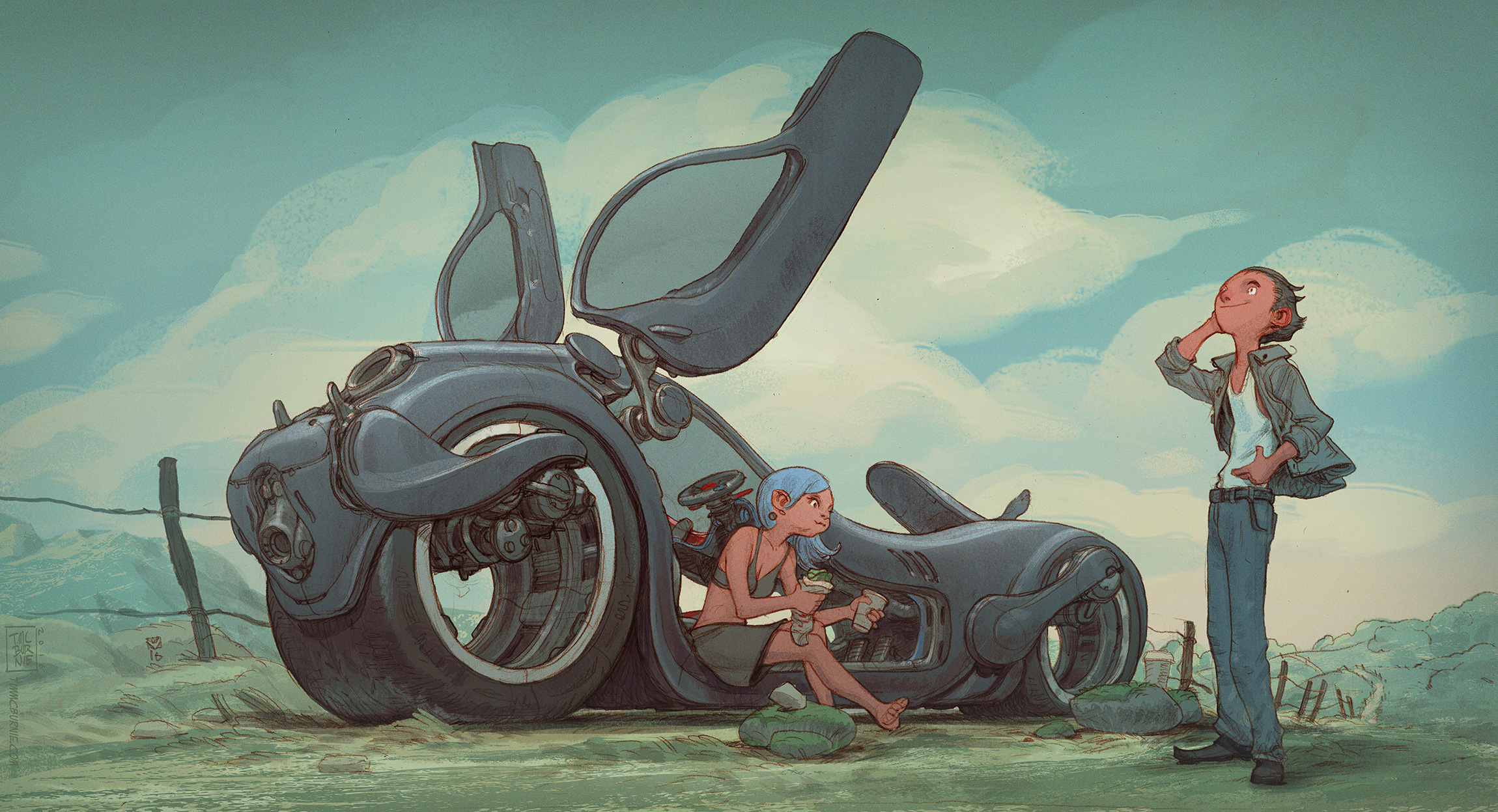
  • Tim Mcburnie’s Strategy For Learning To Draw – creating and studying are two oars of the same row boat; with only one you just go in circles. Rather than doing loads of isolated exercises, integrate what you learn into your process and finished work ASAP.
  • Karl Kopinski’s Thoughts on Photorealism – I love Karl’s response to a questions about style vs realism.
  • Greg β€œCraola” Simkins’ Artistic Process – I really enjoyed hearing Greg describe his creative process; I’m a huge fan of his work.
  • A background painting tip that saved me tons of time, David Revoy – really, you don’t need all that detail!
  • Michael Spooner – Visual Development artist. Fantastic artwork and sage advice.
    Spooner talks with Vilpuu!
    Spooner on The Breakthrough Creative
  • The Draftsmen Podcast – I think this is a classic that should definitely be preserved in the archive for generations to come. Listening to Stan and Marshall banter about art is both insightful and delightful.
  • Schoolism interviews – Bobby Chiu has interviewed a ton of artists over the years; they used be openly available on his YouTube channel, but are now only accessible with a Schoolism account. A couple of my favourite interviews were with Heri Irawan and Devin Elle Kurtz; there are many more great ones. It is really enjoyable to hear artists share their journey; great to listen to while doing low-concentration work or just chilling.
  • 3-Point Perspective Podcast, School of Visual Storytellers – Jake, Lee, and Will have some really great insights into being a professional artist.
  • Pete Beard’s illustration series – this is a great way to learn about a variety of illustrators throughout history.
  • Grand Portfolios, Character Design References – I have discovered so many amazing artists here.
  • How to Think When You Draw Tutorials, The Etherington Brothers – tons of specific insights on how to draw tons of stuff.

Art Courses

  • Nathan Fowkes’ Pictorial Composition – I learned a great deal of foundational knowledge from this course. Fowkes teaches some very helpful universal principles for composing images with a hands-on approach.
  • Marshall Vandruff’s Perspective Course – I have not taken this course, but I did take Marshall’s old course for $12. This one is considerably more costly, but Marshall has invested countless hours into fine-tuning his approach to teaching perspective in the 3 decades since his first course. I can’t help but anticipate that this will be fantastic!
  • Line and Color AcademyΒ – Tim McBurnie helps you build a solid process to reliably get your ideas onto the page/screen; create a positive relationship with the creative process and just keep levelling up.
  • Human Anatomy Fundamentals – when I’m ready to dive back into learning to draw people, this is the resource I plan to follow. Joumana Medlej lays a solid foundation beginning with seeing and drawing the energy of your subject as the foundation for the structural, anatomically correct body to stand on.

Art Books

There are many great recommendations from industry pros. I’ll list the ones I’ve actually read and found helpful (I’ve not read many):

  • Understanding Comics, Scott McCloud – as a disclaimer, before reading this book I don’t think I’d read a single comic book in my life; I had no appetite for them, but so many pros recommended this book that I decided to get it. A comic itself, this book opened my eyes to the power and great potential of telling stories with pictures and words. Great stuff!
  • Picturepedia, DK – this is a great reference book for . . . everything! 360 hard-bound pages of high-res photos. I love to use it to get specific direction and inspiration for my work. You only wanted reference for a butterfly? Well, which of the 47 species best suits the design you’re creating!? This book is picture-heavy with tons of examples! Love it!

Writing Advice

  • HOW TO WRITE A SCENE | elements of narrative + tips (with example doc), ShaelinWrites – I started learning to write fiction with BREX and was super frustrated that all my writing was only summaries of the story; Shaelin taught me how to write aΒ sceneΒ which totally opened up my capacity to write engaging stories by expanding time and allowing the reader to experience the action through different kinds of story beats.
  • 3 Line NPC Method, Johnn Four – Johnn introduced me to character-driven stories and his 3-line method gave me a fantastic framework for concisely writing characters with depth and interest. I created a random generator to assist me in employing this method; it is my go-to approach whenever I need a new character for my story; I have a lot of fun with it and create characters in advance for my character library so that when I need a character I have an interesting selection to choose from. (also see my 3-line NPC Generator article)

Business Advice

Honourable Mentions

To Be Sorted

These are additional resources I’ve found to be highly valuable, but have not yet integrated into the meat of the listings above.

Gesture Drawings

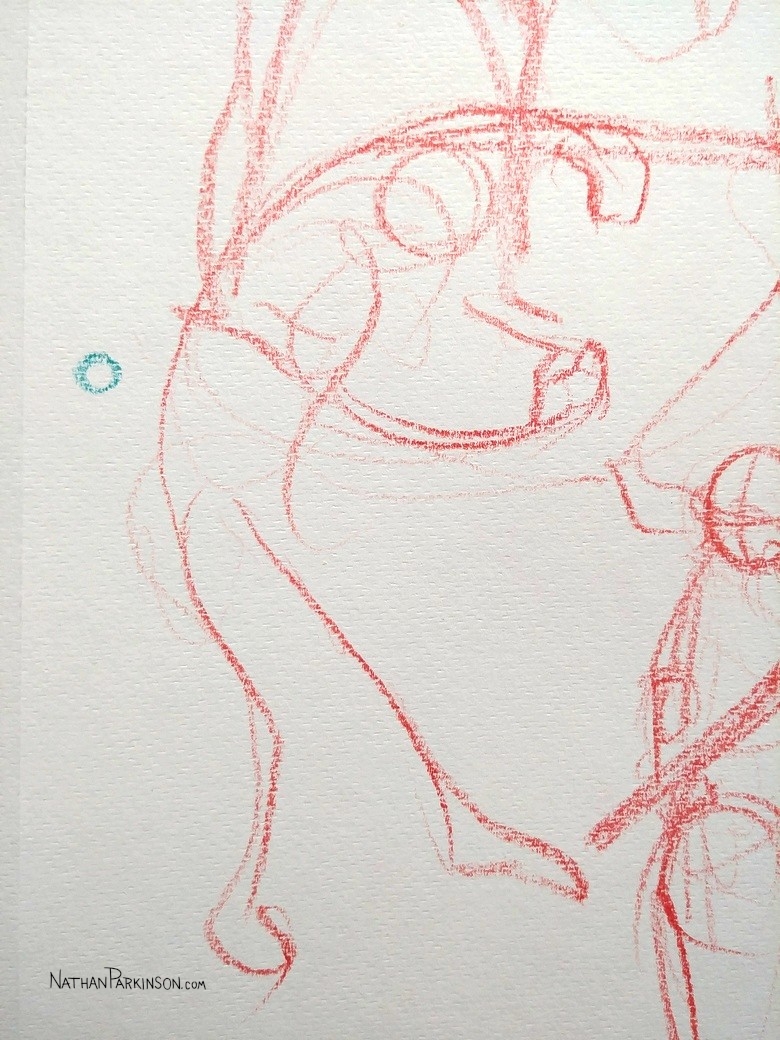
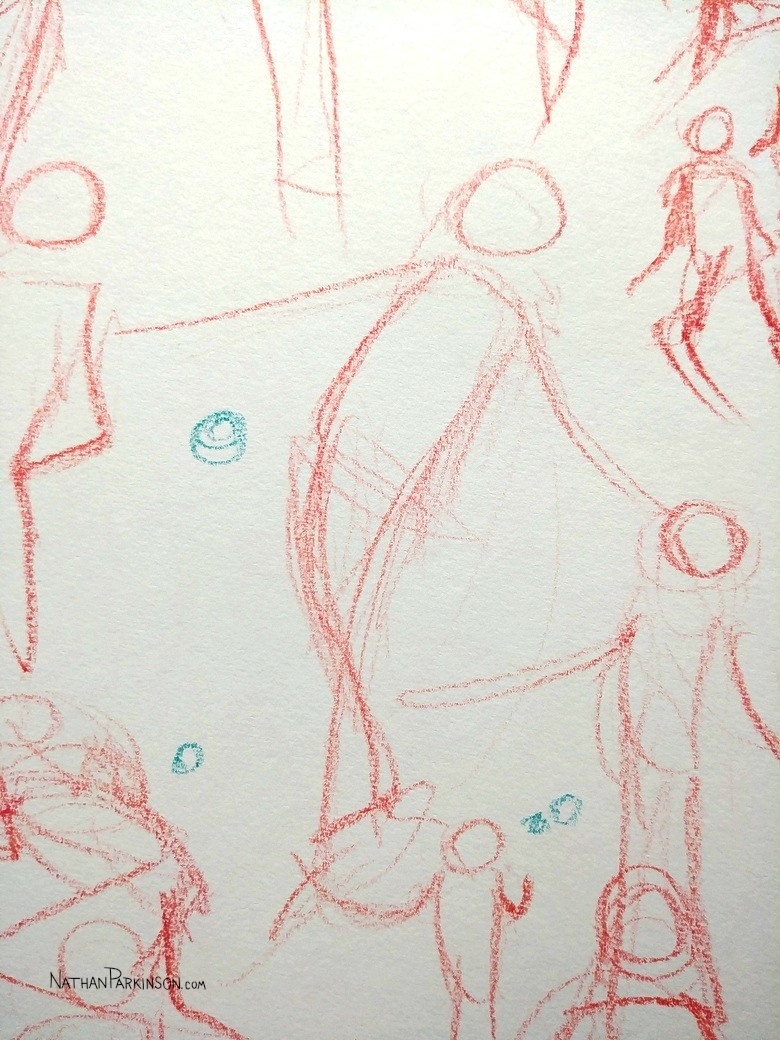
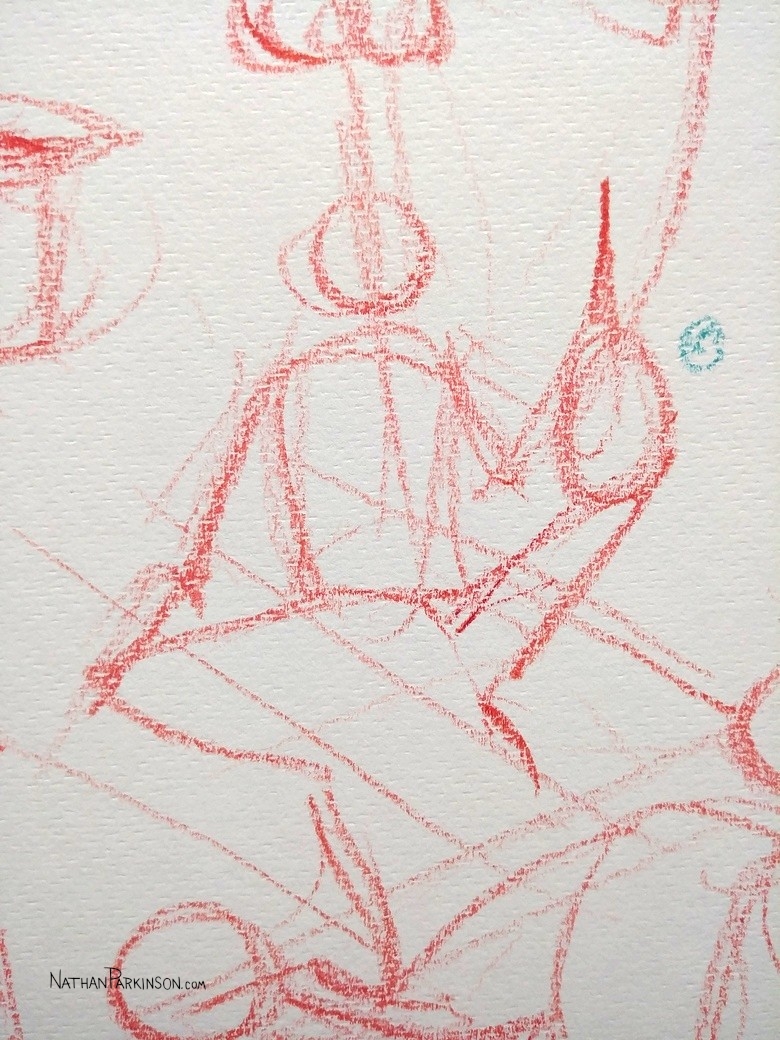
As part of my going through Joumana Medlej’s Human Anatomy Fundamentals course, I’ve been doing daily gesture drawings from movies/shows for a few weeks. I’ve been getting some wonderfully distinct characters and expressive acting and posing from Buster Keaton and the Beverly Hillbillies. They both have a lot of full-body shots (or nearly full-body).

Here’s a selection of my favourite quick sketches from 100+ pages of gestures.

Art Lessons from Guitarist Rob MacKillop

Rob MacKillop is a guitarist with a great variety of experience, popular for playing classical music without nails.

As an artist I draw inspiration from other creative fields such as writing and music. There are so many parallels between the various art forms.

MacKillop inspired me with some powerful ideas in a few interviews. I watched them several months ago and have been affected by them since. I just re-visited them and found even more good advice than I remembered finding the first time. Here are the interviews with some quotes and paraphrases of my key takeaways below, but there’s plenty more in the videos; so grab your notebook and dig in.

  • “You’ve got to fall in love with music and let that be your guide . . . it’s so important that you love every note you’re playing on the guitar, and if you don’t love the notes you’re playing, why play them?” (59:20)

  • “Just be yourself because if you’re not being yourself, who are you being?” (1:07)
  • “The beginning point is to find a little kernel of something that is you, not to start with technique.” (2:19)
  • “There’s no reason to try to convince others that what you do is great; your own voice will come through; and there are people out there who will like it.” (3:18)

  • “Don’t worry about making a mistake; it’s the bigger picture, the bigger story that matters.” (55:49)
  • “I didn’t mind the little mistakes he was making here and there because I was listening, not to the guitar so much, but to the story behind what he was playing.” (59:58)
  • “Learn from lots of teachers. Be prepared to disagree, but don’t fight with them. Listen and absorb it all, but develop the strength to find your own way. The big journey is actually back to yourself, not out there to other people. It’s me with this box with strings on it — how can we communicate?” (1:07:02)
  • “The greatest teacher you can have is the score of music. When you study technique too much you tend to coat everything in that; but if you treat the score like a unique thing in the universe and listen to what it wants, it will teach you how to play guitar.” (1:09:02)

If you’re an artist I hope you’re able to see how MacKillop’s advice strongly applies to making pictures. Artists, writers, musicians – we’re all storytellers trying to discover our identity and master our craft. Just be yourself, love what you do, and tell your story. Technique and mastery will follow.

Lastly, please do visit Rob’s personal YouTube channel and website to hear his music and learn more about him and his work.

Fundamentals of Art

If you’ve spent much time in the art world, you’ve probably heard of “the fundamentals” and how important they are. Over the years I have studied how making art actually works and how to accurately define the many components. “Why is this useful?” By breaking a skill into its individual parts, you can practice each one more intentionally. Trying to learn everything at once or with a vague focus can make it harder to recognize your progress. For someone trying to master their craft, having a solid comprehension of the tools available is important.

The result of my efforts is the Fundamentals of Art document that I am now offering for free download.

Tim Mcburnie’s Strategy For Learning To Draw

Learning to draw is an endless journey. I’m always looking to improve my approach and mindset regarding how to learn and produce most efficiently. Tim Mcburnie’s advice on the subject resonated with me. I love the quality of his art.

What I took away

  • Your need for the art fundamentals depends on what art you want to make. Many current pros just drew a lot without focusing on fundamentals.
  • Follow an applied fundamentals approach: decide what art you want to make and spend most of your time making it while building your foundational knowledge and skills to support that.
  • Apply foundational concepts ASAP! Doing endless studies and exercises just helps you get good at exercises. What’s most important is to understand how to integrate/apply the knowledge gained from an exercise or study into your workflow, how you can actually use it to help make art.
  • Exercises are largely an academic approach; once you understand the techniques/ideas, you can skip doing exercises and apply them directly to your work.

Did I mention I love the quality of his art? πŸ˜‰

Please do check out his website and YouTube channel.

Learning Composition

For an artist composition is debatably the most important skill to learn and employ in one’s craft. I have compiled a list of resources I’ve found helpful in learning this skill.

WARNING: there is a lot of contradicting information about composition available online. As Glenn Vilpuu says, Nathan Fowkes emphasizes, and the Draftsmen echo,

“There are no rules, just tools.” – Glenn Vilpuu

I’ve tried to list the sources in rough order of what made the biggest impact/impression on me. I’ve not watched every video here, but I am familiar with each artist enough to recommend them. Remember, too much head knowledge without application isn’t usually healthy (in any area of learning). Try to put what you learn into practice as soon as possible before taking in more information.

Free Internet Resources

Nathan Fowkes

Nathan Fowkes has some free content about composition on YouTube, but his most valuable offering is his paid course on Schoolism.

The Draftsmen Podcast

The Draftsmen podcast/channel on YouTube has at least one episode dedicated to composition; Marshall Vandruff is very knowledgeable about composition and often has great advice to contribute; Stan Prokopenko has good advice, but Marshall has more life experience; they have rather different backgrounds as artists and each offers a valuable perspective; they balance each other nicely.

Bill Perkins

Glenn Vilpuu (and Michael Spooner)

Glenn Vilpuu spews artistic wisdom constantly; he’s a great figure-drawing instructor; just be aware that as a classically trained artist, he works a lot from nude models.

James Gurney

Feng Zhu

Feng Zhu on composition (Feng has tons of free, valuable drawing instruction)

Trent Kaniuga

Alphonso Dunn

Kim Jung Gi

WARNING: Kim Jung Gi frequently draws extremely inappropriate content; so I don’t endorse all his stuff, but man is he ever good. He gives a bit of drawing advice and instruction, but one can learn much from watching him draw; I find his skill inspiring and something to aim for. The following content is safe.

Aaron Blaise

While I don’t find Aaron Blaise‘s composition advice to be very strong/helpful, he’s got a lot of other great art advice, especially when it comes to drawing animals; I will say though, that he composes very well intuitively through decades of creating on a highly professional level; I just don’t find that he communicates too strongly in the area of composition.

More Resources

Art Inspiration

Final Thoughts

A useful exercise is to try to break down other people’s compositions as studies; just do little 1×2 inch thumbnail copies (or go up to 3.5×5 inches); try to study how they structure the values (i.e. scale from light to dark) and the colours. What kinds of contrast do they use? How do they focus/move the viewer’s eye? etc.

A simple YouTube search for “art composition” by itself or with an artist’s name will yield many useful results. These are some of the most influential resources I could recall from several years of drawing. I know it’s a ton of information; please don’t go crazy and burn out; just pick one resource to start (whatever catches your eye) and spend some time on it; pace yourself. Don’t try to consume this waterfall as fast as possible, but do drink deeply to your satisfaction. I’d recommend visiting this list from time to time when you’re wanting to up your composition game. Composition obviously isn’t all there is to know about art, but it’s a really valuable skill, and as Nathan Fowkes’ says, possibly the most important skill an artist can possess.